
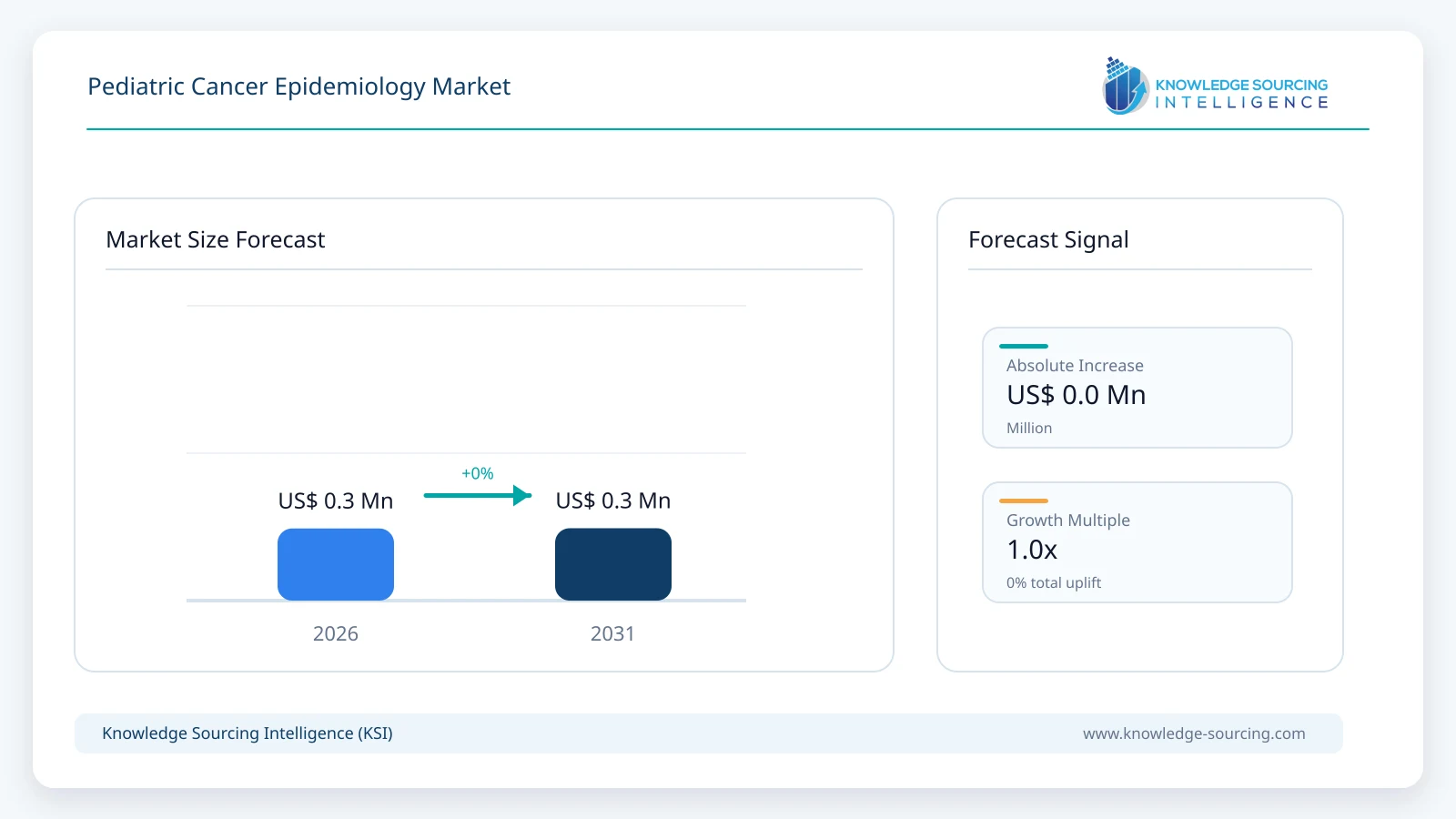
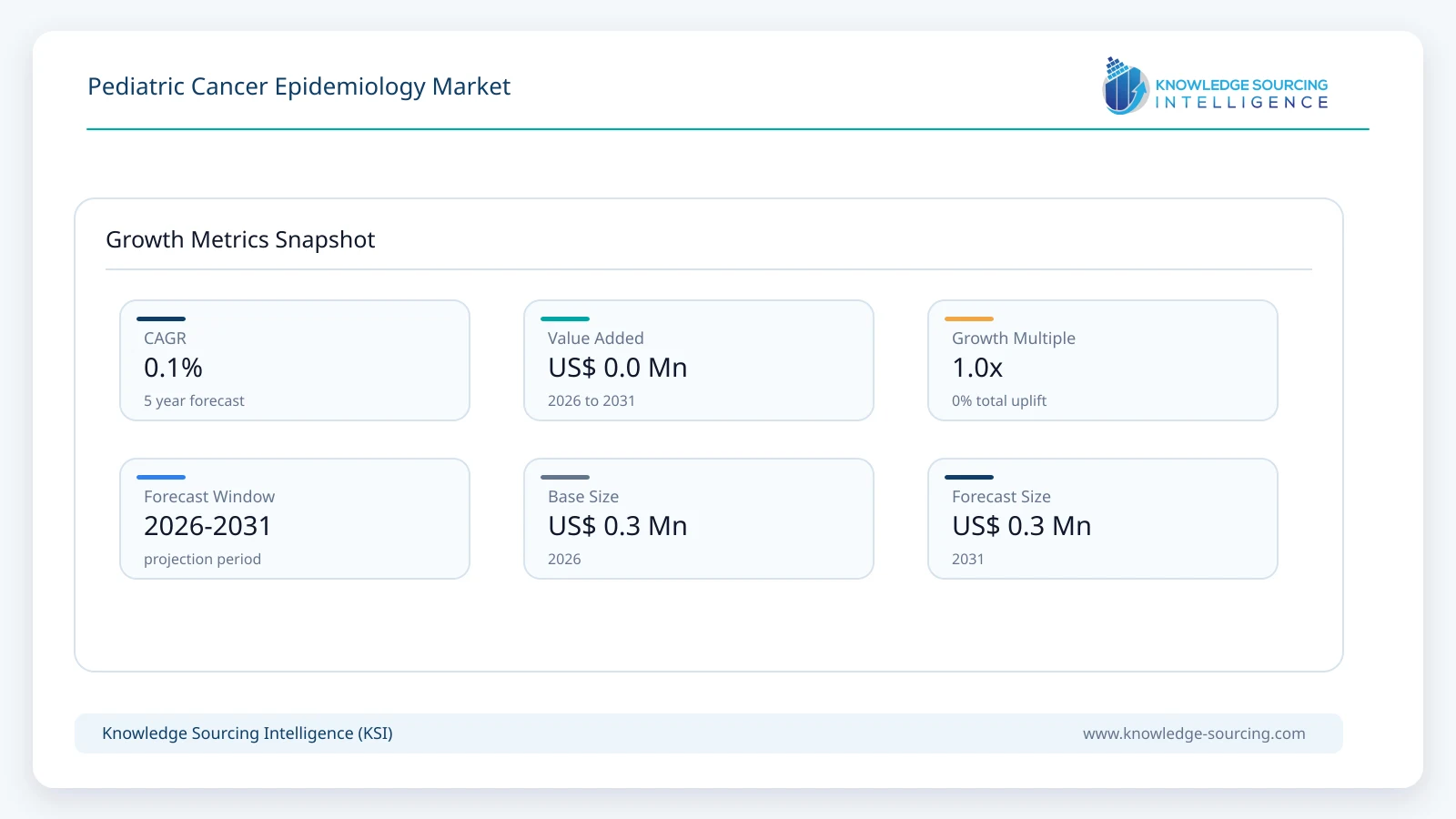
The global Pediatric Cancer Epidemiology is expected to increase from 0.283 million patients in 2026 to 0.284 million patients in 2031, growing at a CAGR of approximately 0.08% during the forecast period.
Highlights:
- 1Improved diagnostic technologies are driving greater detection of pediatric cancers across diverse populations worldwide.
- 2Growing collaboration among international research groups is strengthening understanding of disease causes and patterns.
- 3Precision medicine approaches are enhancing personalized treatment options for children diagnosed with cancer.
- 4Persistent health inequities continue to affect access to care and survival rates in various global regions.
Global understanding and surveillance of pediatric cancer epidemiology have improved significantly as healthcare systems have developed stronger systems for early identification, improved monitoring of cancer occurrence, increased access to specialized pediatric oncology services, and addressed ongoing inequalities in reporting pediatric cancer cases and survival outcomes. While pediatric cancers such as leukemia, brain & central nervous system (CNS) tumors, lymphoma, and other solid tumors continue to represent a major public health issue, multiple factors impact the prognosis of young people diagnosed with pediatric cancer, including age, type of cancer, healthcare delivery system, and availability of treatments.
Additionally, investment has steadily increased for population-based cancer registries, genomic studies, targeted therapies, and international childhood cancer programs, improving the understanding of pediatric cancers and supporting efforts to reduce pediatric cancer deaths and increase survival rates.
Global pediatric cancer incidence remains considerable: The World Health Organization (WHO) stated in its March 2026 Fact Sheet that it reports a globally high rate of pediatric cancer cases. They estimated an annual incidence of about 400,000 children and adolescents (ages 0-19) diagnosed with cancer. Major cancer types include leukemia, brain tumors, neuroblastoma, and Wilms tumor. Common types of cancer during adolescence include lymphomas, bone cancer, and thyroid cancer.
U.S. continues to have a substantial burden of pediatric cancer: The U.S. National Cancer Institute (NCI) projected that there will be 9,550 new diagnoses and approximately 1,050 deaths due to cancer for children ages 0-14 years old in 2025. Leukemia, brain and other CNS cancers, and lymphoma remain the most prevalent types of cancer in this demographic.
Disparities in cancer survival are a major epidemiological concern: The WHO reported in September 2026 that the estimated survival rate for children diagnosed with cancer was 80-90 percent in developed nations, while in underdeveloped nations where there were deficiencies within the health care system, it was around 40 percent. These are due to delayed diagnoses, limited availability of necessary medications, and a lack of access to specialized medical professionals.
International survival research provides further evidence of regional disparities: In December 2025, the International Agency for Research on Cancer (IARC) published findings from a study that included 16,821 children under 15 years old across 47 population-based cancer registries in 23 countries. Survival rates for these children vary significantly based on geographic area and human development levels. These results emphasize the need for standardized registration and follow-up data.
Global access to childhood cancer medicines is growing: In February 2025, WHO and St. Jude Children’s Research Hospital started to distribute quality-assured childhood cancer medicines in Mongolia and Uzbekistan through the WHO-St. Jude Global Platform for Access to Childhood Cancer Medicines. The plan was to provide medication to approximately 5,000 children across more than 30 hospitals located in six pilot countries by the end of 2025, thereby minimizing treatment disruptions and addressing disparities in access to essential medicines.
Genomics research is advancing knowledge of pediatric cancer development: In March 2026, researchers at St. Jude Children's Research Hospital and the National Cancer Institute (NCI) published a detailed study of structural genomic variants that exist in pediatric cancer. These researchers stated that structural variants represent about 60 percent of all genetic mutations that cause children to develop cancer; therefore, defining the genomic characteristics is relevant to understanding the biological nature of the disease and identifying potential drug targets.
Market Drivers
Expansion of pediatric precision oncology
Precision oncology defines pediatric cancer management through molecular profiling and biomarker driven treatment selection. Demand for genomic testing is increasing as clinicians seek targeted therapies for treatment-resistant cancers. Limited pediatric sequencing infrastructure constrains broader implementation. Healthcare providers are expanding precision oncology integration and molecular diagnostic access. This expansion is improving individualized treatment planning.
Rising burden of pediatric hematologic malignancies
Leukemia defines the largest segment within pediatric oncology epidemiology because of high incidence across childhood populations. Demand for immunotherapies and targeted agents is increasing as conventional chemotherapy limitations become more evident. Treatment toxicity constrains long-term survivorship outcomes. Pharmaceutical companies are strengthening bispecific antibody and CAR-T development programs. This strengthening is improving relapse management and survival potential.
Increasing focus on rare pediatric tumors
Rare pediatric cancers define a growing challenge within oncology epidemiology due to limited treatment availability and fragmented research populations. Demand for tumor-agnostic therapies is increasing because genomic alterations increasingly guide treatment eligibility. Small patient populations constrain large-scale clinical trial development. Companies are expanding collaborative pediatric oncology research initiatives. This expansion is improving access to targeted therapies for rare malignancies
Market Restraints
Limited pediatric oncology infrastructure is reducing access to specialized treatment
High treatment costs constrain access to advanced immunotherapies
Small patient populations limit large-scale pediatric oncology trials
Market Opportunities
Expansion of pediatric immunotherapy programs
Immunotherapy defines an emerging growth area within pediatric oncology through targeted immune system activation against cancer cells. Demand for pediatric immunotherapies is increasing as relapse rates remain significant in hematologic malignancies. Safety and toxicity concerns constrain rapid adoption across broader pediatric populations. Pharmaceutical developers are expanding CAR-T and bispecific antibody programs. This expansion is improving treatment alternatives for refractory cancers.
Increasing integration of molecular diagnostics
Molecular diagnostics define modern pediatric oncology through genomic mutation identification and targeted treatment planning. Demand for sequencing technologies is increasing because pediatric cancers increasingly require precision treatment pathways. Limited reimbursement coverage constrains genomic testing accessibility. Healthcare institutions are strengthening molecular pathology and sequencing capabilities. This strengthening is improving pediatric cancer classification and treatment optimization.
Growth of survivorship-focused oncology programs
Survivorship programs define long-term pediatric oncology management through monitoring of treatment-related complications and secondary malignancies. Demand for survivorship care is increasing as pediatric cancer survival rates improve. Long-term treatment toxicity constrains quality-of-life outcomes among survivors. Healthcare systems are expanding survivorship monitoring and rehabilitation services. This expansion is improving long-term pediatric oncology care.
Supply Chain Analysis
The pediatric oncology ecosystem depends on molecular diagnostic laboratories, specialized pediatric hospitals, genomic sequencing infrastructure, biologics manufacturing, and clinical research networks. Demand for targeted pediatric therapies is increasing as precision oncology adoption expands across childhood cancers. Limited manufacturing scalability constrains timely access to advanced cell and gene therapies. Pharmaceutical companies are strengthening biologics production and genomic testing partnerships. This strengthening is improving treatment availability and pediatric oncology integration.
Government Regulations
Region | Regulatory Authority | Focus Area |
United States | Food and Drug Administration | Pediatric oncology drug approvals and orphan indications |
Europe | European Medicines Agency | Pediatric investigation plans and childhood oncology therapies |
Global | World Health Organization | Childhood cancer control initiatives |
Pediatric Cancer Epidemiology Market Segmentation
By Cancer Type
Lymphoma
By cancer type, the pediatric cancer epidemiology is segmented into leukemia, brain and central nervous system tumors, lymphoma, neuroblastoma, Wilms’ tumor, retinoblastoma, osteosarcoma, Ewing sarcoma, rhabdomyosarcoma, and other pediatric malignancies.
Growing unmet need to treat rare and malignant brain tumors has shaped the market outlook for targeted medicines.
Hodgkin lymphoma is the most common lymphoma type recorded in children and adolescents.
Hodgkin lymphoma (HL) is the most common lymphoma type. A study published in “Frontiers in Pediatrics” indicates that, although HCL has experienced steady growth over the years, the prevalence rate remains low in high-income nations due to continued investment in early cancer detection and treatment advancements.
The International Agency for Research on Cancer indicates that Asia accounted for the majority of global HCL prevalence cases reported in 0-19 years (nearly 37.4%), followed by Europe (with nearly 20.4%).
The number of non-Hodgkin lymphoma cancer cases varies across regions, while treatment outcomes have improved dramatically in global regions.
The global number of new cases reached 562,793 (According to the 2024 Global Cancer Observatory), and mortality was 234,903; NHL is the tenth most common cancer reported globally.
Likewise, according to the International Agency for Research on Cancer, regions like Asia accounted for the majority of NHL global mortality, with nearly 3,201 deaths reported (nearly 45.8%), followed by Africa (with nearly 44.6%).
By Age Group
Infants
Pediatric cancer incidence differs by age group, as there are variations in the types of cancers that occur at different ages, biological development among different age groups, and methods and tests through which cancers are diagnosed in children/adolescents.
Epidemiology studies generally differentiate infants (below 1 year), children (1-14 years), and adolescents (15-19 years). Additionally, some epidemiology studies may classify children into smaller age categories to assess whether there is a variation in disease burden.
The incidence of leukemia and embryonic tumors is higher for younger children, while lymphoma, bone tumors, and epithelial tumors are more frequent during adolescence. This age-related information about cancer incidence and survival provides health-care systems with the ability to determine which population groups have the greatest burden of disease, design appropriate cancer care services based on patients’ ages, and analyze the disparities in cancers diagnosed and treated.
The use of international cancer registries provides standardized data to compare the differences in patterns of incidence among various populations; however, estimates may differ depending on the scope of registry coverage and classification of cancers.
The International Agency for Research on Cancer (IARC) offers internationally comparable age-specific incidence rates. The IICC-3, published online in December 2025 by IARC, adds to the international evidence base of 308 cancer registries located in 82 countries, departments, and/or territories.
5.1.1. Infants
Children under the age of 1 year represent an epidemiologically unique sub-population among all pediatric cancer patients. The tumor types diagnosed in infants differ from those commonly found in older children.
Neuroblastoma, retinoblastoma, leukemia, neurofibromatosis, brain and central nervous system tumors, and some types of embryonal tumors represent major categories of diagnoses in this age group. Early identification of these conditions, comprehensive assessment by a specialist, and the implementation of an age-appropriate treatment plan are essential.
The indicators below reflect US data regarding brain and central nervous system cancers that have been diagnosed in infancy and the mortality associated with these types of cancers. They aim to provide a quantitative assessment of the significant role of these cancers within the overall childhood cancer dataset.
By gender
Gender defines epidemiological variation through differing incidence patterns across pediatric malignancies. Male pediatric populations show a higher prevalence of several leukemia and lymphoma subtypes. Demand for gender-specific epidemiological analysis is increasing because treatment outcomes vary across disease categories. Limited long-term survivorship datasets constrain comprehensive gender-based oncology analysis. Research institutions are expanding pediatric cancer registries and survivorship monitoring programs. This expansion is improving epidemiological understanding and treatment optimization.
Regional Analysis
North America
North America defines pediatric oncology epidemiology through an advanced precision medicine infrastructure and high immunotherapy adoption. Demand for pediatric genomic profiling is increasing because clinicians increasingly rely on biomarker-driven treatment decisions.
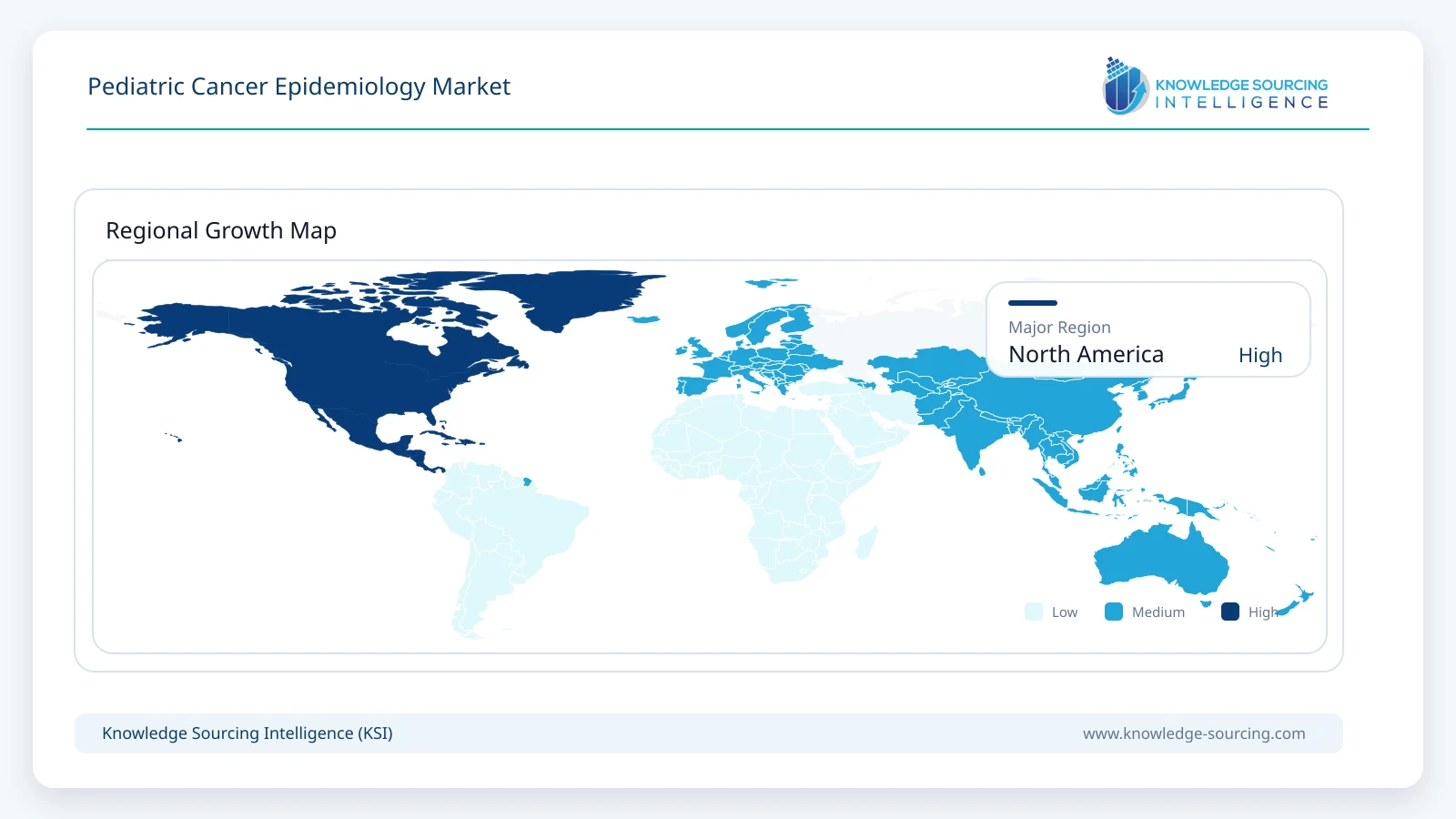
Strong research funding supports the development of CAR-T therapies and tumor-agnostic treatments. High treatment costs constrain universal access to advanced pediatric oncology programs. Pharmaceutical companies and hospitals are expanding molecular diagnostics and immunotherapy integration. This expansion is strengthening survival outcomes and precision oncology adoption.
The United States is witnessing a consistent shift towards new approaches for treating malignant tumors and cancer in adolescents, supported by government-backed research funding.
Despite continued investment in early detection and treatment frameworks for cancer, the disease has remained a major health burden in the US, with steady progression in adolescents.
Investments in new drug development have amplified the market outlook for malignant brain tumors, leukemia, and lymphoma, which account for a considerable share of pediatric cancer prevalence in the US.
With more than 30 new pediatric drugs approved over 10 years by the FDA, followed by support provided from major institutions such as ACS CAN (American Cancer Society Cancer Action Network) to increase cancer treatment access stimulates new investment to promote early pediatric cancer detection.
Strong technological maturity fueled by recent approval of “Executive Order – 14335” is driving innovations in pediatric cancer treatment through Artificial Intelligence adoption. Likewise, recent FDA approval of “Nivolumab” with vinblastine, dacarbazine, and doxorubicin has expanded treatment outlook for class III & IV Hodgkin lymphoma in the US.
The American Cancer Society indicates that, in 2026, nearly 9,680 children under 15 years of age will be diagnosed with cancer, while for adolescents aged 15 to 19 years, the diagnosed number reaches 5,660. Likewise, the same source also suggests estimated cancer deaths will reach 1,820 in the same year.
Europe
Europe defines pediatric cancer management through strong regulatory oversight and collaborative pediatric oncology research frameworks. Demand for targeted therapies is increasing because childhood cancer treatment protocols increasingly incorporate genomic analysis. Reimbursement variability constrains equal access to advanced therapies across countries. Healthcare systems are strengthening pediatric oncology registries and cross-border clinical trial collaboration. This strengthening is improving epidemiological consistency and treatment standardization.
Asia Pacific
Asia Pacific defines pediatric oncology growth through increasing healthcare investment and rising awareness of childhood cancer management. Demand for molecular diagnostics is increasing because healthcare systems are expanding precision oncology capabilities. Uneven pediatric oncology infrastructure constrains treatment accessibility in developing economies. Governments and healthcare providers are strengthening pediatric cancer screening and specialty care programs. This strengthening is improving childhood cancer detection and treatment access.
Rest of the World
Emerging regions define pediatric oncology epidemiology through limited specialty care access and growing disease awareness. Demand for childhood cancer treatment is increasing because survival disparities remain significant compared with developed economies. Resource limitations constrain access to genomic diagnostics and immunotherapies. International healthcare collaborations are expanding pediatric oncology training and treatment support programs. This expansion is improving long-term pediatric cancer management.
Regulatory Landscape
Pediatric oncology regulation defines therapeutic development through orphan drug pathways, pediatric investigation plans, and childhood safety monitoring requirements. Regulatory agencies are strengthening pediatric-specific oncology approval frameworks because childhood cancers require differentiated clinical evaluation strategies. Small patient populations constrain rapid pediatric drug development. Pharmaceutical companies are expanding regulatory-focused pediatric clinical programs. This expansion is improving treatment availability and research prioritization. Precision oncology regulations are becoming increasingly important because genomic biomarkers increasingly determine eligibility for pediatric targeted therapies. Healthcare systems are integrating molecular diagnostics within pediatric oncology reimbursement structures. Limited harmonization across international pediatric regulations constrains global trial efficiency. Regulatory agencies are strengthening genomic testing oversight and pediatric oncology collaboration frameworks. This strengthening is improving precision oncology implementation in pediatric care
Pipeline Analysis
The pediatric oncology pipeline is shifting toward targeted therapies, cell and gene therapies, and tumour-agnostic treatment development. Demand for biomarker-driven therapies is increasing because pediatric malignancies increasingly require precision-based intervention. Limited patient recruitment constrains late-stage pediatric oncology trial expansion. Pharmaceutical developers are strengthening global pediatric research collaborations and adaptive trial models. This strengthening is improving pipeline scalability and treatment innovation.
CAR-T therapies and bispecific immunotherapies are becoming central to pediatric hematologic cancer management because relapse risk remains high among acute leukemia patients. Demand for safer immunotherapy platforms is increasing as survivorship expectations improve. Manufacturing complexity constrains broader therapy availability. Companies are expanding biologics manufacturing and pediatric immunotherapy partnerships. This expansion is improving long-term treatment accessibility and clinical development efficiency.
Strategic Competitive Landscape
F. Hoffmann-La Roche Ltd.
Roche differentiates through precision oncology integration and targeted pediatric therapy development. Demand for pediatric molecular diagnostics is increasing because treatment strategies increasingly depend on genomic profiling. Regulatory complexity constrains rapid pediatric indication expansion. The company is expanding pediatric targeted therapy and biomarker-driven oncology programs. This expansion is strengthening precision pediatric oncology capabilities.
Novartis AG
Novartis differentiates through pediatric CAR-T leadership and targeted therapy innovation. Demand for advanced leukemia treatments is increasing because relapse management remains a major pediatric oncology challenge. Manufacturing scalability constrains broader CAR-T access. The company is strengthening cell and gene therapy infrastructure and pediatric oncology collaborations. This strengthening is improving pediatric immunotherapy adoption.
Bristol-Myers Squibb Company
Bristol-Myers Squibb differentiates through immuno-oncology development programs supporting pediatric solid tumor and lymphoma treatment. Demand for checkpoint inhibitor therapies is increasing because clinicians seek alternatives to intensive chemotherapy. Pediatric safety concerns constrain broader immunotherapy implementation. The company is expanding pediatric immuno-oncology trials and biomarker research programs. This expansion is improving pediatric treatment diversification.
Pfizer Inc.
Pfizer Inc. is a significant participant in the pediatric cancer treatment market through its oncology business, focusing on the development and commercialization of targeted therapies for biomarker-defined malignancies. The company leverages its research capabilities in precision oncology to develop treatments targeting specific molecular pathways, including ALK-positive cancers. Its portfolio includes XALKORI (crizotinib), which is indicated for certain pediatric patients with ALK-positive anaplastic large cell lymphoma and inflammatory myofibroblastic tumors, supporting its presence in targeted pediatric oncology.
Bayer AG
Bayer differentiates through tumor-agnostic therapy development supporting pediatric NTRK fusion-positive cancers. Demand for genomic-guided therapies is increasing because rare pediatrictumors increasingly require mutation-based treatment selection. Small patient populations constrain large-scale pediatric trials. The company is expanding tumor-agnostic oncology research and precision medicine partnerships. This expansion is improving access to targeted pediatric therapies.
Jazz Pharmaceuticals plc
Jazz Pharmaceuticals differentiates through pediatrichematology-oncology specialization centered on acute lymphoblastic leukemia management. Demand for improved leukemia therapies is increasing because relapse and toxicity concerns remain substantial. Competitive pressure from emerging immunotherapies constrains differentiation. The company is expanding pediatricleukemia research and supportive care programs. This expansion is strengthening pediatric hematologic oncology capabilities.
Amgen Inc.
Amgen differentiates through bispecific immunotherapy programs supporting pediatricleukemia treatment. Demand for targeted immunotherapies is increasing because conventional chemotherapy limitations continue affecting long-term survivorship. Manufacturing complexity constrains biologic scalability. The company is strengthening pediatric immunotherapy development and precision oncology integration. This strengthening is improving relapse treatment options.
Takeda Pharmaceutical Company Limited
Takeda differentiates through antibody-drug conjugate innovation, supporting pediatric lymphoma treatment. Demand for targeted oncology therapies is increasing because pediatric lymphoma management increasingly requires precision approaches. High development costs constrain broader pediatric expansion. The company is expanding immunotherapy and targeted oncology programs. This expansion is strengthening pediatric oncology treatment diversity.
Key Developments
April 2026: Pfizer Extended potential impact of innovative therapies in earlier lines of treatment, including TALZENNA® plus XTANDI® in metastatic castration-sensitive prostate cancer and TUKYSA® as first-line maintenance for HER2-positive breast cancer
April 2026: Pfizer New and updated data from next-generation pipeline of novel mechanisms and differentiated combinations across solid tumours, including sigvotatugvedotin, PF-08634404 and atirmociclib.
April 2025: Bayer AGstrengthened tumor-agnostic pediatric oncology programs linked to Vitrakvi expansion initiatives.
February 2025: Amgen's Blincyto (blinatumomab) has demonstrated superior results in pediatric B-cell precursor acute lymphoblastic leukemia (ALL) as of early 2025, strengthening its application in frontline therapy. Clinical trial results show that adding Blincyto to chemotherapy significantly improves disease-free survival (96% vs 88% in studies) compared to chemotherapy alone.
Strategic Insights and Future Market Outlook
Pediatric oncology epidemiology is shifting toward precision medicine integration supported by genomic diagnostics and immunotherapy innovation. Demand for biomarker-driven therapies is increasing because childhood cancers increasingly require individualized treatment approaches. Limited access to advanced oncology infrastructure constrains equitable treatment availability. Healthcare systems are expanding pediatric sequencing and immunotherapy capabilities. This expansion is improving pediatric cancer outcomes.
Cell and gene therapies are becoming increasingly central to pediatric oncology because hematologic malignancies continue requiring advanced relapse management strategies. Pharmaceutical companies are strengthening biologics manufacturing and pediatric regulatory engagement to accelerate clinical development. High treatment costs and manufacturing complexity remain major constraints. Industry collaboration is increasing across pediatric oncology ecosystems. This collaboration is improving long-term innovation scalability.
Long-term pediatric oncology development is moving toward integrated survivorship care, AI-supported genomic analysis, and adaptive pediatric clinical trial models. Healthcare systems are prioritizing earlier diagnosis and reduced-toxicity treatment approaches. Resource disparities continue to constrain global treatment standardization. Companies and healthcare providers are strengthening pediatric oncology partnerships and precision medicine programs. This strengthening is improving survivorship outcomes and long-term epidemiological management.
Pediatric Cancer Epidemiology Market Scope:
| Report Metric | Details |
|---|---|
| Total Market Size in 2026 | 0.283 million |
| Total Market Size in 2031 | 0.284 million |
| Forecast Unit | Million |
| Growth Rate | 0.08% |
| Study Period | 2021 to 2031 |
| Historical Data | 2021 to 2024 |
| Base Year | 2025 |
| Forecast Period | 2026 – 2031 |
| Segmentation | Cancer Type, Age Group, Gender, Risk Factor, Diagnostic Technology,, Treatment Modality, Disease Burden, Population Characteristics, Geography |
| Companies |
|
Market Segmentation
By Cancer Type
Leukemia
Acute Lymphoblastic Leukemia
Acute Myeloid Leukemia
Brain and Central Nervous System Tumors
Glioma
Medulloblastoma
Lymphoma
Hodgkin Lymphoma
Non-Hodgkin Lymphoma
Neuroblastoma
Wilms Tumor
Retinoblastoma
Osteosarcoma
Ewing Sarcoma
Rhabdomyosarcoma
Other Pediatric Malignancies
By Age Group
Infants
Children
Adolescents
By Gender
Male
Female
By Risk Factor
Germline Mutations
Hereditary Cancer Syndromes
Prenatal and Perinatal Risk Factors
Environmental and Radiation Exposure
Immunological and Infectious Risk Factors
Ethnicity and Population-Based Variations
Familial Cancer Predisposition
By Diagnostic Technology
Molecular Diagnostics
Cytogenetics and Genomic Testing
Imaging Modalities
By Treatment Modality
Chemotherapy
Radiation Therapy
Surgery
Stem Cell Transplantation
Immunotherapy
By Disease Burden
Incidence
Mortality
Survival
Relapse and Recurrence
By Population Characteristics
Urban
Rural
Socioeconomic Status
High-Risk Population
Survival and Relapse Population
By Geography
North America
United States
Canada
Europe
Germany
United Kingdom
France
Italy
Spain
Asia Pacific
China
Japan
India
South Korea
Australia
Latin America
Brazil
Mexico
Middle East and Africa
Saudi Arabia
South Africa
Table of Contents
1. EXECUTIVE SUMMARY
1.1. Scope, Age Definitions and Epidemiological Measures
1.2. Global Pediatric Cancer Burden Overview
1.3. Key Pediatric Cancer Types Overview
1.4. Survival Trends and Mortality Overview
1.5. Epidemiological Trends and Forecast Outlook
1.6. Strategic Insights and Public Health Implications
2. INTRODUCTION TO PEDIATRIC CANCERS
2.1. Definition and Classification of Pediatric Cancers
2.2. Biological Characteristics of Pediatric Malignancies
2.3. Differences Between Pediatric and Adult Cancers
2.4. Genetic and Environmental Risk Factors
2.5. Pediatric Oncology Care Pathway
2.5.1. Early Recognition and Diagnosis
2.5.2. Diagnostic Workup
2.5.3. Treatment and Monitoring
2.5.4. Survivorship and Long-Term Follow-Up
3. DISEASE BURDEN ANALYSIS BY CANCER TYPE
3.1. Introduction
3.2. Leukemia
3.2.1. Acute Lymphoblastic Leukemia Epidemiology
3.2.2. Acute Myeloid Leukemia Epidemiology
3.2.3. Incidence and Survival Trends
3.3. Brain and Central Nervous System Tumors
3.3.1. Glioma Epidemiology
3.3.2. Medulloblastoma Epidemiology
3.3.3. Pediatric CNS Tumor Burden
3.4. Lymphoma
3.4.1. Hodgkin Lymphoma Epidemiology
3.4.2. Non-Hodgkin Lymphoma Epidemiology
3.5. Neuroblastoma
3.5.1. Incidence and Mortality Trends
3.5.2. High-Risk Neuroblastoma Burden
3.6. Wilms Tumor
3.6.1. Incidence Trends
3.6.2. Survival Outcomes
3.7. Retinoblastoma
3.7.1. Genetic and Hereditary Burden
3.7.2. Pediatric Population Trends
3.8. Osteosarcoma
3.8.1. Age and Gender Distribution
3.8.2. Mortality Trends
3.9. Ewing Sarcoma
3.9.1. Incidence Trends
3.9.2. Regional Burden Distribution
3.10. Rhabdomyosarcoma
3.10.1. Histological Subtype Epidemiology
3.10.2. Pediatric Disease Burden
3.11. Other Pediatric Malignancies
4. RISK FACTORS & GENETIC EPIDEMIOLOGY
4.1. Germline Mutation Burden
4.2. Hereditary Cancer Syndromes in Pediatrics
4.3. Prenatal and Perinatal Risk Factors
4.4. Environmental and Radiation Exposure
4.5. Immunological and Infectious Risk Factors
4.6. Ethnicity and Population-Based Variations
4.7. Familial Cancer Predisposition Trends
5. POPULATION DEMOGRAPHICS & PATIENT SEGMENTATION
5.1. Age-Wise Epidemiology
5.1.1. Infants
5.1.2. Children
5.1.3. Adolescents
5.2. Gender-Based Epidemiology
5.3. Urban vs Rural Disease Burden
5.4. Socioeconomic Status Analysis
5.5. High-Risk Population Identification
5.6. Survival and Relapse Population Analysis
6. DIAGNOSTIC & TREATMENT LANDSCAPE
6.1. Early Recognition and Diagnostic Pathways
6.2. Diagnostic Technologies
6.2.1. Molecular Diagnostics
6.2.2. Cytogenetics and Genomic Testing
6.2.3. Imaging Modalities
6.3. Standard Treatment Modalities
6.3.1. Chemotherapy
6.3.2. Radiation Therapy
6.3.3. Surgery
6.3.4. Stem Cell Transplantation
6.3.5. Immunotherapy
6.4. Pediatric Oncology Clinical Guidelines
6.5. Survivorship and Long-Term Monitoring
7. EPIDEMIOLOGICAL FORECASTING & TREND ANALYSIS
7.1. Global Pediatric Cancer Incidence Forecast: Annual Cases and Rates
7.2. Mortality Forecast by Cancer Type
7.3. Five-Year Survival Trends and Scenario Outlook
7.4. Relapse and Recurrence Trends
7.5. Scenario-Based Epidemiology Forecast
7.5.1. Base Case Scenario
7.5.2. Improved Access Scenario
7.5.3. Delayed Diagnosis Scenario
8. HEALTHCARE BURDEN & ECONOMIC IMPACT
8.1. Healthcare Resource Utilization
8.2. Hospitalization Burden
8.3. Diagnostic and Treatment Cost Burden
8.4. Long-Term Survivorship Cost Analysis
8.5. Productivity Loss and Economic Impact
8.6. Public Healthcare Expenditure Analysis
9. CROSS-SEGMENTATION OF PEDIATRIC CANCER BURDEN
9.1. Cancer Type by Age Group
9.2. Cancer Type by Sex
9.3. Cancer Type by Geography
10. REGIONAL EPIDEMIOLOGICAL ANALYSIS
10.1. Introduction
10.2. North America
10.3. Europe
10.4. Asia-Pacific
10.5. Latin America
10.6. Middle East & Africa
11. KEY COUNTRIES ANALYSIS
11.1. United States
11.2. Canada
11.3. Germany
11.4. United Kingdom
11.5. France
11.6. Italy
11.7. Spain
11.8. China
11.9. Japan
11.10. India
11.11. South Korea
11.12. Australia
11.13. Brazil
11.14. Mexico
11.15. Saudi Arabia
11.16. South Africa
12. COMPETITIVE & INSTITUTIONAL LANDSCAPE
12.1. Government Health Agencies
12.2. Pediatric Oncology Research Organizations
12.3. Childhood Cancer Registries
12.4. Academic and Clinical Research Collaborations
12.5. International Pediatric Oncology Programs
13. COMPANY PROFILES
13.1. F. Hoffmann-La Roche Ltd.
13.1.1. Key Oncology Products and Pediatric Indication Status
13.1.2. Key Applications: Hematologic malignancies and pediatric solid tumors
13.1.3. Pipeline and Development Programs: Pediatric precision oncology and targeted therapies
13.2. Novartis AG
13.2.1. Key Oncology Products and Pediatric Indication Status
13.2.2. Key Applications: Pediatric leukemia and low-grade glioma
13.2.3. Pipeline and Development Programs: Cell and gene therapies for pediatric cancers
13.3. Bristol-Myers Squibb Company
13.3.1. Key Oncology Products and Pediatric Indication Status
13.3.2. Key Applications: Pediatric solid tumors and lymphoma
13.3.3. Pipeline and Development Programs: Immuno-oncology clinical programs
13.4. Pfizer Inc.
13.4.1. Key Oncology Products and Pediatric Indication Status
13.4.2. Key Applications: Pediatric ALK-positive malignancies and solid tumors
13.4.3. Pipeline and Development Programs: Precision oncology expansion programs
13.5. Bayer AG
13.5.1. Key Oncology Products and Pediatric Indication Status
13.5.2. Key Applications: NTRK fusion-positive pediatric tumors
13.5.3. Pipeline and Development Programs: Tumor-agnostic targeted therapies
13.6. Jazz Pharmaceuticals plc
13.6.1. Key Oncology Products and Pediatric Indication Status
13.6.2. Key Applications: Acute lymphoblastic leukemia
13.6.3. Pipeline and Development Programs: Pediatric hematology-oncology therapies
13.7. Amgen Inc.
13.7.1. Key Oncology Products and Pediatric Indication Status
13.7.2. Key Applications: B-cell precursor acute lymphoblastic leukemia
13.7.3. Pipeline and Development Programs: Bispecific immunotherapy programs
13.8. Servier Pharmaceuticals LLC
13.8.1. Key Oncology Products and Pediatric Indication Status
13.8.2. Key Applications: IDH1-mutated malignancies
13.8.3. Pipeline and Development Programs: Precision medicine programs in hematologic cancers
13.9. Takeda Pharmaceutical Company Limited
13.9.1. Key Oncology Products and Pediatric Indication Status
13.9.2. Key Applications: Pediatric lymphoma
13.9.3. Pipeline and Development Programs: Antibody-drug conjugates and immunotherapy programs
13.10. Eli Lilly and Company
13.10.1. Key Oncology Products and Pediatric Indication Status
13.10.2. Key Applications: Hematologic malignancies research programs
13.10.3. Pipeline and Development Programs: Precision oncology and targeted therapy development
14. FUTURE OUTLOOK & STRATEGIC RECOMMENDATIONS
14.1. Expansion of Early Diagnosis Programs
14.2. Advances in Pediatric Precision Oncology
14.3. Survivorship and Long-Term Care Strategies
14.4. Policy and Reimbursement Recommendations
14.5. Long-Term Epidemiology Outlook
15. METHODOLOGY & DATA FRAMEWORK
15.1. Data Sources and Validation
15.2. Epidemiology Modeling Methodology
15.3. Incidence and Survival Analysis Framework
15.4. Forecasting Methodology
15.5. Data Triangulation and Quality Assessment
15.6. Age, Cancer-Type and Country Data Comparability
16. APPENDIX
16.1. Abbreviations
16.2. Definitions
16.3. Statistical Assumptions
16.4. Research Limitations
Navigate
Trusted by the world's leading organizations











