The global electronic wet chemical market is estimated to grow...
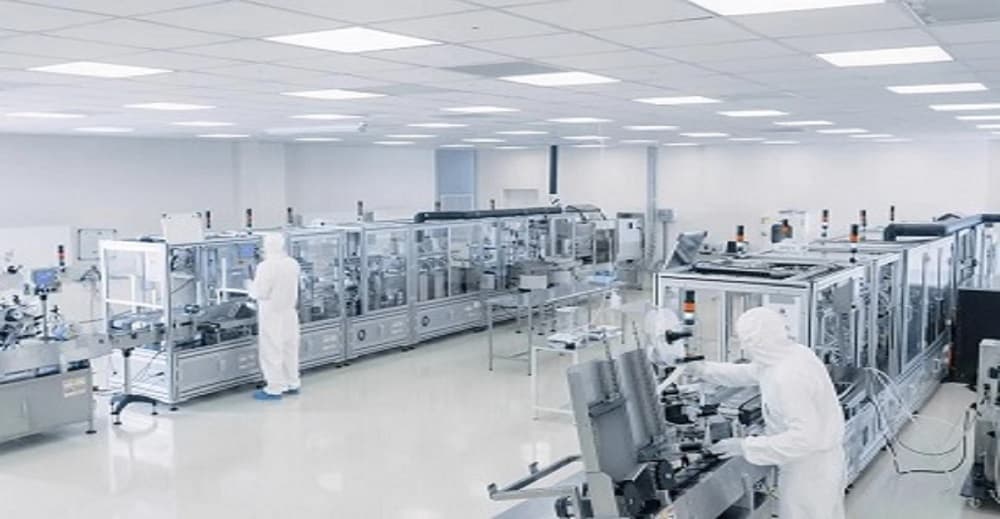
The global electronic wet chemical market is estimated to grow at a CAGR of 4.73% to reach a market size of US$3,308.455 million in 2027 from US$2,393.468 million in 2020.
The market penetration of these electronic wet chemicals has witnessed growth in industries like electronics and semiconductors. They are increasingly being used in modern technology industries like new energy, information network technology, modern communications, computers, industrial automation, microcomputer mechanical intelligence systems, and home appliances.
The electronic wet chemicals are extremely pure in nature owing to which they are broadly used in applications like cleaning and etching during the production and processing of semiconductors. Further, the commercialization of nano-based devices has also boosted the market potential for etching and photoresist chemicals with numerous technological advancements. An increase in the usage of semiconductors, as well as integrated chips in the manufacturing of electrical components, is expected to augment the growth of the electronic wet chemicals market with the passage of time. Thus, an increase in the demand for the building of electrical components because of various technological advancements in the electronics industry is projected to be a key factor in driving the growth of the electronic wet chemicals market.
APAC region to hold majority market share over others in the electronic wet chemicals marketAPAC is projected to be the largest and the fastest growing region in the electronic wet chemicals market, due to the inclining demand for consumer goods and, the presence of numerous microelectronic device manufacturers in the region. The rise in demand has been possible due to factors like rising disposable income, growing population, and economic growth in countries like China, Taiwan, and South Korea. These factors are thus predicted to significantly propel the demand for these electronic wet chemicals in the region. China is considered to be among the leading producers of PCBs (Printed Circuit Boards) across the globe. Further, PCB production is growing rapidly due to expansions in various Asian countries, like Vietnam and Thailand. Countries like China, Taiwan, Japan, Singapore, and South Korea are among the leading PCB manufacturing countries worldwide. According to the JEITA (Japan Electronics and Information Technology Industries Association), production by the Japanese electronics industry was recorded to have risen by a whopping 110.8% in 2021 to reach JPY 10,954.34 billion, as compared to the previous year. Hence, it is forecasted to substantially increase the demand for the wet chemicals market in Japan for electronic, as well as semiconductor applications. Additionally, Japan is recorded to have about 30 semiconductor fab industries currently, that are involved in the manufacturing of various semiconductor chips. The semiconductor supply chain of Japan provides about one-third of the global semiconductor manufacturing equipment and over half of the materials in the industry. Thus, all these factors are projected to greatly boost the overall demand for wet chemicals in the Asia Pacific region, which is greatly going to attribute to the global market size as well.
Innovations in the industry to further catalyse market growthThe electronic wet chemical market has shown tremendous growth owing to the inclining demand for electronic and semiconductor production in a lot of regions of the world. In accordance with a press release published in May 2022, Solvay is said to be introducing a novel Renewable Materials and Biotechnology platform, which would focus on the production of innovative and sustainable solutions for a plethora of sectors via the usage of renewable feedstocks and biotechnology. By expanding the portion of renewable carbon in its product portfolio and establishing fresh business prospects that are allowed by biotechnology, this new platform would bring many Solvay companies together in order to aid to the growing demand for sustainable solutions. Battery Materials, Thermoplastic Composites, and Green Hydrogen are three of Solvay’s established growth platforms. Increasing innovations like this in the industry is thus projected to further drive growth in the market.
Impact of the COVID-19 pandemic on the Electronic Wet Chemical MarketVarious organizations were severely impacted due to the sudden outbreak of the COVID-19 pandemic. As a consequence of the shutdown of various important industries that followed in numerous countries as a result of the subsequent nationwide lockdowns, the global economy got severely affected and faced a downward trend. Because of all these factors, the electronic wet chemical industries were also negatively impacted by the effects of the COVID-19 epidemic. The market had to encounter major shortages due to the stir caused by most of the major supply and manufacturing lines. Further, owing to a lack in the production of semiconductors, the output of the wet chemicals market got restricted to a great. Many industries in various electronic sectors were affected by this lack of semiconductors, as well as wet chemicals. However, with the ease of restrictions by governments across the world and the betterment of the situation, the market has again observed a rise in its demand. Additionally, the electronic industry has witnessed robust growth in demand ever since the resumption in the working of manufacturing units and this is anticipated to augment the growth of the market.
Electronic Wet Chemical Market Scope:
| Report Metric | Details |
| Market Size Value in 2020 | US$2,393.468 million |
| Market Size Value in 2027 | US$3,308.455 million |
| Growth Rate | CAGR of 4.73% from 2020 to 2027 |
| Base Year | 2020 |
| Forecast Period | 2022 – 2027 |
| Forecast Unit (Value) | USD Million |
| Segments Covered | Type, Application, And Geography |
| Regions Covered | North America, South America, Europe, Middle East and Africa, Asia Pacific |
| Companies Covered | Solvay, BASF SE, Kanto Chemical Co., Inc., Honeywell International, Inc., Linde Plc, Fujifilm Holding Inc., Eastman Chemical Company, Technic, Inc., Mitsubishi Chemicals Holdings Corporation |
| Customization Scope | Free report customization with purchase |
Need specialized data cuts or competitive intelligence?
Our analyst team provides bespoke market sizing, supplier audits, and country-level feasibility reports tailored to your enterprise roadmap.
Speak With an Industry Analyst →Ask an Industry Analyst
Have questions regarding this briefing or market projections? Inquire with our sector lead.
Related Blogs
View All →
How America’s Aging Population is Reshaping Healthcare Demand
Jul 14, 2026
Which OSAT Companies Are Best Positioned for AI and HPC Chip Demand?
Jun 29, 2026
Wearable Health Devices and Their Role in Modern Healthcare
Jun 11, 2026
Beyond the Glass: The Decisive Transition to Computational Tissue Intelligence
May 25, 2026
Companion Diagnostics for Targeted Therapies Market: The U.S. Edge In Personalized Medicine
May 21, 2026More Blogs
Clinical Decision Support Diagnostic Systems Market: Why the U.S. Healthcare System Is Quietly Rebuilding Diagnosis Around Algorithms
The U.S. clinical decision support diagnostic systems market is rapidly evolving as hospitals adopt AI-driven tools to manage rising diagnostic complexity, workforce shortages, and operational pressures. Growth is fueled by demand for faster, accurate diagnoses, workflow efficiency, interoperability, and value-based care, while physician trust, cybersecurity, and regulatory compliance increasingly determine long-term market success.
Top U.S. Healthcare Industry Trends to Watch in 2026 for the Global Healthcare Market
The global healthcare industry in 2026 is shifting toward AI-driven efficiency, stronger cybersecurity, outpatient care expansion, and domestic pharmaceutical manufacturing. U.S. healthcare leaders are prioritizing workforce support, operational resilience, value-based care, and integrated digital systems to improve patient outcomes while controlling costs.
How AI Is Reshaping the American Healthcare Industry
The U.S. healthcare industry is rapidly integrating artificial intelligence across clinical, administrative, and pharmaceutical operations. AI is improving diagnostics, automating workflows, reducing clinician burden, accelerating drug discovery, and enhancing personalized care. With strong adoption by hospitals and tech companies, AI is transforming healthcare delivery while driving the U.S. AI healthcare market toward significant growth by 2031.