
The Primary Peritoneal Cancer Market is projected to register a strong CAGR during the forecast period (2026-2031).
Highlights:
- 1Rising recurrence rates are increasing demand for maintenance therapies because long-term disease suppression remains a primary clinical objective.
- 2Biomarker testing adoption is strengthening PARP inhibitor utilization since BRCA-mutated patients demonstrate improved therapeutic response.
- 3Advanced-stage diagnosis patterns are expanding combination therapy use because monotherapy effectiveness remains limited in metastatic spread.
- 4Regulatory fast-track oncology approvals are accelerating targeted therapy commercialization since rare cancer treatment gaps persist.
- 5Hospital oncology infrastructure demand is increasing because intraperitoneal and intravenous regimens require specialized administration systems.
- 6Antibody-drug conjugate development is gaining investment because platinum-resistant disease continues limiting conventional chemotherapy outcomes.
Primary peritoneal cancer treatment demand depends heavily on late-stage oncology intervention because most patients present with diffuse abdominal spread at diagnosis. The disease shares pathological characteristics with epithelial ovarian cancer, which causes clinicians to adopt overlapping therapeutic protocols involving platinum compounds and taxane-based regimens. Demand is shifting toward maintenance therapy because recurrence rates remain clinically high after first-line treatment completion.
Regulatory frameworks increasingly support biomarker-directed therapies because survival variability among BRCA-positive and HRD-positive populations is influencing treatment selection standards. The U.S. Food and Drug Administration continues expanding oncology indications for PARP inhibitors and immune checkpoint inhibitors as clinical evidence demonstrates stronger progression-free outcomes in genetically defined populations.
Academic cancer centers are increasing enrollment into targeted therapy trials because conventional chemotherapy toxicity continues constraining long-duration disease control. This shift is strengthening demand for oral oncology agents that reduce infusion dependency and support outpatient management. Pharmaceutical manufacturers are therefore integrating companion diagnostic partnerships into commercialization strategies to secure precision oncology adoption.
Healthcare systems remain dependent on specialty oncology infrastructure because intraperitoneal drug administration requires procedural expertise and controlled monitoring environments. Reimbursement systems increasingly prioritize evidence-backed therapies since oncology budgets are facing pressure from high-cost biologics and recurrent treatment cycles. This environment supports sustained investment into clinically differentiated oncology products rather than broad-spectrum cytotoxic expansion.
Market Dynamics
Market Drivers
Expansion of Biomarker-Driven Oncology Treatment: Precision oncology adoption defines treatment selection because BRCA mutation identification increasingly influences therapeutic eligibility. Hospitals are integrating genomic testing workflows into gynecologic oncology programs since clinicians require molecular profiling before maintenance therapy initiation. Limited durability of traditional chemotherapy maintains demand for targeted agents that improve progression-free intervals. Pharmaceutical companies are expanding PARP inhibitor development programs because payer systems increasingly recognize biomarker-guided treatment value. This transition strengthens long-term commercial demand for precision oncology therapeutics.
Rising Burden of Recurrent Disease: Disease recurrence remains a core treatment challenge because relapse rates continue affecting survival outcomes after first-line therapy completion. Oncology centers are increasing maintenance therapy utilization since repeated chemotherapy exposure raises cumulative toxicity concerns. Platinum-resistant disease limits conventional treatment effectiveness because tumor adaptation reduces cytotoxic responsiveness over time. Drug manufacturers are investing in immunotherapy and antibody-drug conjugate combinations to address resistant patient populations. This strategy expands therapeutic diversification across advanced-stage disease management.
Growth of Combination Therapy Protocols: Combination regimens support disease stabilization because multifactorial tumor biology reduces single-agent effectiveness. Clinicians are combining chemotherapy with targeted therapies since survival extension depends on broader pathway inhibition. Toxicity management remains a clinical constraint because overlapping adverse events influence dosing continuity. Healthcare providers are expanding supportive oncology services to maintain treatment adherence across prolonged therapy cycles. This evolution increases demand for integrated oncology care systems.
Market Restraints
High biologic therapy costs limit broad patient access because reimbursement systems remain sensitive to prolonged oncology treatment expenditure.
Late-stage diagnosis reduces curative intervention potential since diffuse disease spread complicates surgical and pharmacological management.
Limited patient population size constrains large-scale clinical trial enrollment because rare cancer prevalence reduces data generation speed.
Market Opportunities
Expansion of PARP Inhibitor Maintenance Therapy: Maintenance therapy demand is increasing because recurrent disease prevention remains central to long-term oncology management. Physicians are extending PARP inhibitor utilization into earlier treatment stages since biomarker-positive patients show stronger therapeutic persistence. Resistance development continues creating pressure for optimized sequencing strategies because repeated exposure affects long-term efficacy. Drug developers are exploring combination maintenance regimens to extend disease control duration. This opportunity strengthens targeted oncology revenue expansion.
Development of Antibody-Drug Conjugates: Targeted cytotoxic delivery is gaining attention because platinum-resistant disease requires more selective therapeutic mechanisms. Oncology companies are accelerating antibody-drug conjugate research since toxicity reduction remains clinically important in recurrent populations. Conventional chemotherapy limitations maintain demand for precision-directed agents that preserve therapeutic potency while reducing systemic exposure. Clinical pipelines are therefore expanding around next-generation targeted conjugates. This trend broadens innovation across advanced oncology treatment.
Adoption of Oral Oncology Therapeutics: Oral treatment demand is expanding because outpatient oncology management reduces infusion dependency. Patients are preferring home-based administration pathways since recurrent therapy cycles increase hospital visitation burden. Medication adherence remains a challenge because long-term oral regimens require continuous monitoring. Healthcare systems are integrating digital oncology monitoring platforms to maintain compliance and toxicity tracking. This transition supports decentralized oncology care expansion.
Supply Chain Analysis
Primary peritoneal cancer therapeutics depend on complex biologic manufacturing systems because targeted oncology products require specialized production environments and cold-chain logistics. Pharmaceutical supply chains are becoming more centralized around high-value biologics since monoclonal antibodies and antibody-drug conjugates demand advanced sterile manufacturing capacity. Raw material dependencies remain significant because active pharmaceutical ingredients for oncology products involve tightly regulated sourcing systems.
Hospital oncology pharmacies remain critical distribution endpoints because intravenous therapies require controlled preparation and administration workflows. Specialty pharmacy networks are expanding their role since oral oncology therapies increasingly support outpatient treatment continuity. Temperature-sensitive biologics create logistical pressure because storage deviations directly affect product stability and therapeutic performance. Manufacturers are strengthening regional supply redundancy to reduce disruption risks linked to geopolitical instability and transportation constraints.
Government Regulations
Region | Regulation/Agency | Market Impact |
United States | U.S. Food and Drug Administration Oncology Center of Excellence | Accelerates targeted oncology review pathways |
Europe | European Medicines Agency Orphan Drug Framework | Supports rare cancer therapy approvals |
Japan | Pharmaceuticals and Medical Devices Agency | Encourages precision oncology commercialization |
China | National Medical Products Administration | Expands oncology drug review reforms |
Global | ICH Oncology Guidelines | Standardizes clinical development protocols |
Market Segmentation
By Therapy Type
Chemotherapy remains foundational because most patients receive platinum-taxane combinations during first-line treatment. Demand is shifting toward targeted maintenance therapy since recurrence prevention increasingly shapes oncology management priorities. Immunotherapy adoption remains selective because biomarker variability affects treatment responsiveness across patient populations. Oncology centers are expanding anti-angiogenic therapy integration to improve progression-free survival in advanced disease. Combination therapy therefore dominates evolving treatment protocols because multifaceted tumor biology limits single-agent effectiveness.
By Drug Class
PARP inhibitors represent a major growth category because BRCA-mutated and HRD-positive populations require precision maintenance strategies. PD-1/PD-L1 inhibitors are gaining clinical attention since immunotherapy combinations may improve outcomes in resistant disease. VEGF inhibitors maintain demand because angiogenesis suppression remains relevant in metastatic progression control. Antibody-drug conjugates are entering strategic focus areas since targeted cytotoxic delivery addresses platinum-resistant disease limitations. Platinum compounds and taxanes continue supporting baseline treatment demand because chemotherapy remains essential during first-line intervention.
By Route of Administration
Intravenous administration dominates because biologic therapies and chemotherapy regimens require controlled infusion delivery. Oral oncology demand is increasing since maintenance therapy duration encourages outpatient treatment convenience. Intraperitoneal administration remains clinically relevant because localized abdominal drug delivery may improve therapeutic concentration in selected patients. Toxicity monitoring requirements continue to limit widespread intraperitoneal adoption because procedural complexity affects operational scalability. Route diversification therefore, reflects the broader transition toward long-duration oncology management.
Regional Analysis
North America Market Analysis
North America leads targeted oncology adoption because biomarker testing infrastructure remains highly integrated across cancer treatment networks. Academic oncology centers are increasing enrollment into precision oncology trials since recurrent gynecologic cancers continue requiring differentiated therapeutic strategies. Reimbursement support remains comparatively strong because specialty oncology drugs receive structured payer evaluation pathways. Hospital systems are expanding genomic testing capabilities as PARP inhibitor eligibility increasingly depends on molecular profiling accuracy.
Regulatory acceleration continues influencing commercialization timelines because the U.S. FDA maintains expedited oncology review frameworks for rare malignancies. High treatment costs create reimbursement pressure since biologic oncology therapies require prolonged administration cycles. Pharmaceutical companies are strengthening companion diagnostic partnerships to improve therapy selection efficiency across advanced-stage populations. This environment preserves North America’s leadership in precision gynecologic oncology commercialization.
Europe Market Analysis
European oncology markets prioritize evidence-based reimbursement because national healthcare systems closely evaluate long-term therapeutic value. Demand is shifting toward maintenance therapy integration since recurrent disease management remains central to clinical resource allocation. Regulatory coordination through the European Medicines Agency supports orphan oncology development because rare cancer treatment gaps continue affecting survival outcomes. Hospitals are expanding molecular diagnostic adoption to align with precision oncology prescribing standards.
Pricing negotiations constrain rapid biologic expansion because centralized procurement systems emphasize cost-effectiveness assessment. Pharmaceutical manufacturers are pursuing region-specific access agreements to secure reimbursement continuity for targeted therapies. Academic oncology collaborations continue strengthening clinical trial participation because cross-border research frameworks support biomarker-driven drug development. Europe therefore maintains a balanced market structure focused on therapeutic value optimization.
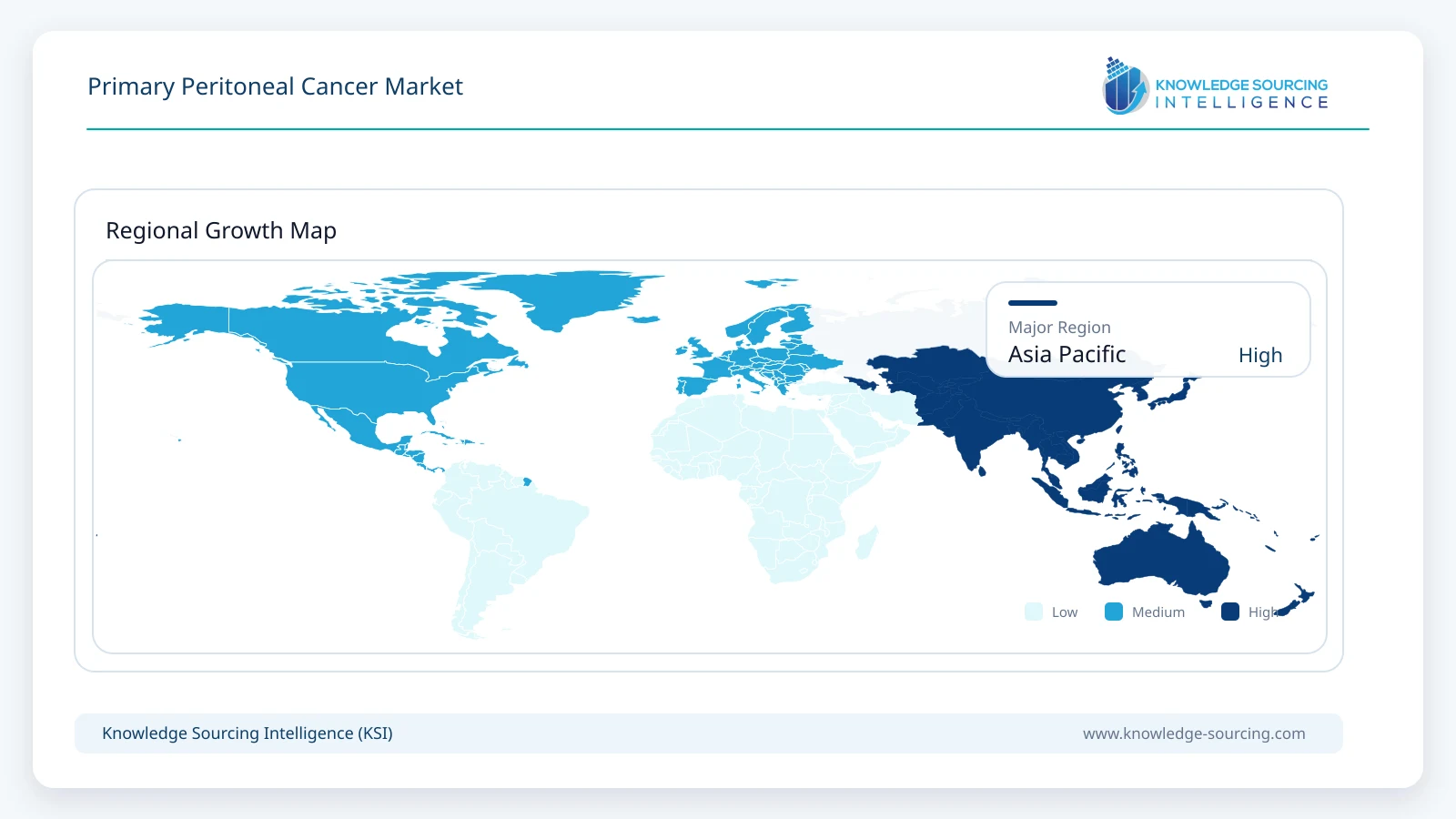
Asia Pacific Market Analysis
Asia Pacific oncology demand is increasing because cancer screening expansion and healthcare infrastructure investment are improving diagnosis rates. Urban oncology centers are adopting targeted therapies more rapidly since precision medicine awareness continues rising among specialists. Treatment accessibility remains uneven because reimbursement systems vary significantly across regional healthcare economies. Governments are expanding oncology drug approval reforms to accelerate access to innovative therapeutics.
Domestic pharmaceutical manufacturing capacity is increasing because regional healthcare systems seek reduced dependency on imported oncology products. Clinical trial activity continues expanding as multinational pharmaceutical companies pursue larger patient recruitment pools across Asia Pacific. Biomarker testing availability remains a structural constraint because molecular diagnostic access differs between metropolitan and rural treatment centers. The region therefore reflects a high-growth oncology environment shaped by healthcare modernization.
Rest of the World
Emerging oncology markets remain dependent on hospital-based chemotherapy because targeted biologic accessibility continues facing affordability limitations. Governments are increasing oncology investment since cancer mortality burdens are placing pressure on national healthcare systems. Diagnostic infrastructure gaps constrain precision oncology adoption because biomarker testing availability remains inconsistent outside major urban centers. International pharmaceutical partnerships are expanding to improve oncology therapy distribution across underserved regions.
Private healthcare providers are increasing specialty oncology investment because demand for advanced cancer treatment continues rising among urban populations. Reimbursement limitations sustain reliance on conventional chemotherapy since biologic therapies remain financially restrictive for many healthcare systems. Global health collaborations are supporting oncology training and infrastructure development to improve treatment continuity. This regional landscape therefore reflects gradual transition toward targeted oncology integration.
Regulatory Landscape
Rare oncology regulation increasingly prioritizes accelerated approval frameworks because conventional clinical trial structures remain difficult within smaller patient populations. The U.S. FDA and European Medicines Agency continue supporting orphan oncology designations since unmet treatment needs persist across recurrent gynecologic cancers. Regulatory agencies are requiring stronger biomarker validation because precision oncology prescribing depends on reliable molecular identification standards.
Companion diagnostics are becoming more integrated into oncology approvals because therapeutic effectiveness increasingly relies on patient stratification. Regulatory scrutiny remains high for safety monitoring since combination oncology regimens raise cumulative toxicity concerns. Pharmaceutical manufacturers are aligning clinical development strategies with biomarker-linked approval pathways to improve regulatory predictability.
Post-marketing surveillance requirements continue expanding because long-duration maintenance therapies require ongoing safety assessment in broader patient populations. Real-world evidence integration is increasing as regulators seek additional effectiveness validation beyond controlled clinical trials. This regulatory environment supports precision oncology expansion while maintaining stringent safety oversight.
Pipeline Analysis
Clinical pipelines increasingly focus on targeted oncology combinations because recurrent disease progression continues limiting long-term survival outcomes. Pharmaceutical developers are expanding PARP inhibitor combination studies since resistance mechanisms reduce standalone maintenance durability. Immunotherapy integration remains under active evaluation because checkpoint inhibition effectiveness varies across biomarker-defined patient populations.
Antibody-drug conjugates are attracting substantial development interest because targeted cytotoxic delivery addresses platinum-resistant disease limitations. FR?-directed therapies continue gaining attention since folate receptor expression remains clinically relevant in ovarian-related malignancies.
Biomarker-linked trial enrollment structures are becoming more common because precision oncology development requires molecularly stratified patient selection. Academic oncology collaborations continue supporting rare cancer studies since patient recruitment challenges constrain independent development timelines. Pipeline diversification therefore reflects the industry’s transition toward highly selective oncology therapeutics.
Competitive Landscape
Merck & Co.
Merck maintains strategic importance through immuno-oncology leadership because KEYTRUDA continues expanding across multiple oncology indications. The company is strengthening gynecologic oncology positioning as checkpoint inhibitor combinations gain relevance in recurrent disease management. Dependence on biomarker-guided immunotherapy remains significant because patient response variability influences treatment optimization. Merck is increasing clinical collaboration activity to improve combination therapy penetration within precision oncology frameworks. This strategy reinforces long-term competitive positioning in advanced oncology therapeutics.
AbbVie Inc.
AbbVie differentiates itself through antibody-drug conjugate expansion because ELAHERE addresses FR?-positive patient populations with targeted cytotoxic delivery. The company is increasing oncology portfolio integration following strategic acquisitions that strengthened hematology and solid tumor capabilities. Precision therapy demand supports AbbVie’s commercialization strategy because recurrent disease populations require differentiated therapeutic mechanisms. Research investment remains focused on targeted oncology combinations that improve progression-free survival. This approach enhances AbbVie’s positioning within next-generation gynecologic oncology.
AstraZeneca PLC
AstraZeneca holds a strong maintenance therapy position because Lynparza remains widely recognized within PARP inhibitor oncology treatment. The company is expanding biomarker-focused oncology strategies as genomic testing adoption increases across hospital networks. Competitive pressure continues intensifying because multiple PARP inhibitors target overlapping patient populations. AstraZeneca is strengthening clinical partnerships to support combination therapy development and broaden treatment applicability. This structure supports sustained precision oncology influence.
GSK plc
GSK maintains oncology relevance through Zejula because maintenance therapy demand continues increasing in recurrent gynecologic cancers. The company is emphasizing biomarker-linked therapeutic positioning as precision oncology reimbursement standards evolve. Safety monitoring remains operationally important because long-duration maintenance therapy requires toxicity management continuity. GSK is expanding oncology lifecycle management strategies to preserve competitiveness against broader PARP inhibitor portfolios. This response supports long-term oncology market participation.
Pfizer Inc.
Pfizer strengthens oncology diversification through targeted therapy development because gynecologic oncology remains commercially important within precision medicine expansion. Tivdak contributes to the company’s oncology specialization strategy as antibody-based treatments gain broader clinical relevance. Competitive differentiation depends on clinical evidence generation because oncology reimbursement increasingly reflects survival outcome validation. Pfizer is expanding collaborative oncology research to strengthen targeted therapeutic integration. This direction reinforces oncology portfolio resilience.
Key Developments
September 2026: IMUNON reported continued Phase 2 development of intraperitoneal IMNN-001 after an independent safety review found no new safety signals, supporting further evaluation in advanced ovarian cancer.
August 2026: PMV Pharmaceuticals reported updated Phase 2 rezatapopt data and completed enrollment for platinum-resistant/refractory ovarian cancer, with an accelerated-approval NDA planned for 2027.
June 2026: Oncoinvent announced that its Phase 2 Radspherin trial for ovarian cancer with peritoneal metastases reached 50% recruitment, enrolling 54 patients across active international sites.
April 2026: Theolytics announced the first patient dosed in the U.S. Phase 1 OCTOPOD-IP trial evaluating intraperitoneal THEO-260 for women with advanced platinum-resistant ovarian cancer.
March 2026: Corcept Therapeutics announced FDA approval of Lifyorli plus nab-paclitaxel for adults with platinum-resistant epithelial ovarian, fallopian tube, or primary peritoneal cancer.
October 2025: Merck & Co., Inc. presented ovarian cancer data from KEYNOTE-B96 and investigational pipeline programs at ESMO 2025. Precision oncology investment is accelerating because recurrent ovarian and peritoneal cancer management increasingly depends on biomarker-linked immunotherapy combinations.
Strategic Insights and Future Market Outlook
Primary peritoneal cancer treatment is moving toward highly stratified oncology management because generalized chemotherapy approaches no longer address long-term recurrence challenges effectively. Biomarker-driven prescribing is increasing across hospital oncology systems since therapeutic response variability continues influencing reimbursement and clinical outcomes. Pharmaceutical companies are concentrating investment into targeted combinations that extend progression-free survival while reducing cumulative toxicity exposure.
Companion diagnostics will remain commercially essential because precision oncology adoption depends on accurate molecular profiling infrastructure. Oral oncology therapies are likely gaining stronger market share as healthcare systems prioritize outpatient treatment continuity and infusion burden reduction. Competitive differentiation will increasingly depend on clinical evidence demonstrating durable maintenance effectiveness within recurrent disease populations.
Regulatory acceleration for rare malignancies is supporting innovation because unmet therapeutic needs continue attracting oncology investment. Antibody-drug conjugates and next-generation immunotherapy combinations are expected to reshape treatment sequencing as platinum resistance becomes a larger clinical challenge. The market therefore continues transitioning toward integrated precision oncology ecosystems that combine targeted therapeutics, biomarker diagnostics, and long-duration maintenance strategies.
Primary Peritoneal Cancer Market Scope
| Report Metric | Details |
|---|---|
| Forecast Unit | Billion |
| Study Period | 2021 to 2031 |
| Historical Data | 2021 to 2024 |
| Base Year | 2025 |
| Forecast Period | 2026 – 2031 |
| Segmentation | Therapy Type, Drug Class, Distribution Channel, Geography |
| Companies |
|
Market Segmentation
By Therapy Type
Chemotherapy
Targeted Therapy
Immunotherapy
Anti-Angiogenic Therapy
Combination Therapy
By Drug Class
PARP Inhibitors
PD-1/PD-L1 Inhibitors
VEGF Inhibitors
Antibody-Drug Conjugates
Platinum Compounds
Taxanes
By Route of Administration
Oral
Intravenous
Intraperitoneal
By Disease Stage
Early-Stage Disease
Advanced Disease
Recurrent Disease
By Biomarker Type
BRCA-Mutated
HRD-Positive
FR?-Positive
Biomarker-Negative
By End User
Hospitals
Oncology Specialty Clinics
Ambulatory Surgical Centers
Academic & Research Institutes
By Distribution Channel
Hospital Pharmacies
Retail Pharmacies
Specialty Pharmacies
Online Pharmacies
By Geography
North America
Europe
Asia-Pacific
Latin America
Middle East & Africa
Table of Contents
1. EXECUTIVE SUMMARY
1.1 Market Overview
1.2 Key Findings
1.3 Market Snapshot
1.4 Therapeutic Landscape Overview
1.5 Epidemiology Highlights
1.6 Commercial Landscape Summary
1.7 Key Pipeline Insights
1.8 Regional Market Highlights
1.9 Strategic Recommendations
2. DISEASE & EPIDEMIOLOGY ANALYSIS
2.1 Introduction to Primary Peritoneal Cancer
2.1.1 Disease Definition
2.1.2 Pathophysiology
2.1.3 Histological Classification
2.1.3.1 High-Grade Serous Carcinoma
2.1.3.2 Low-Grade Serous Carcinoma
2.1.3.3 Endometrioid Carcinoma
2.1.3.4 Clear Cell Carcinoma
2.1.3.5 Mucinous Carcinoma
2.1.4 Disease Staging
2.1.5 Molecular & Genetic Alterations
2.1.5.1 BRCA1/BRCA2 Mutations
2.1.5.2 Homologous Recombination Deficiency (HRD)
2.1.5.3 TP53 Alterations
2.1.5.4 HER2 Expression
2.1.5.5 Folate Receptor Alpha (FR?) Expression
2.2 Disease Burden
2.2.1 Global Incidence
2.2.2 Global Prevalence
2.2.3 Mortality Analysis
2.2.4 Recurrence Patterns
2.2.5 Survival Rate Analysis
2.3 Epidemiology Analysis
2.3.1 Incident Cases by Age Group
2.3.2 Incident Cases by Gender
2.3.3 Cases by Histological Subtype
2.3.4 Cases by Disease Stage
2.3.5 Biomarker-Specific Patient Population
2.3.5.1 BRCA-Mutated Population
2.3.5.2 HRD-Positive Population
2.3.5.3 Platinum-Resistant Population
2.3.5.4 Platinum-Sensitive Population
2.4 Risk Factors & Disease Progression
2.4.1 Genetic Risk Factors
2.4.2 Hormonal Risk Factors
2.4.3 Environmental & Lifestyle Factors
2.4.4 Disease Recurrence & Metastatic Progression
3. MARKET DYNAMICS
3.1 Market Definition & Scope
3.2 Market Drivers
3.2.1 Rising Gynecologic Oncology Burden
3.2.2 Increasing Adoption of Targeted Therapies
3.2.3 Advancements in Biomarker Testing
3.2.4 Growing Use of Maintenance Therapy
3.2.5 Expanding Clinical Research Activity
3.3 Market Restraints
3.3.1 High Treatment Costs
3.3.2 Limited Early Diagnosis
3.3.3 Adverse Effects Associated with Chemotherapy
3.3.4 Reimbursement Challenges
3.3.5 Drug Resistance & Disease Recurrence
3.4 Market Opportunities
3.4.1 Expansion of PARP Inhibitor Use
3.4.2 Emerging Antibody-Drug Conjugates
3.4.3 Precision Oncology Approaches
3.4.4 Combination Immunotherapy Strategies
3.4.5 Emerging Markets Expansion
3.5 Market Challenges
3.5.1 Clinical Trial Recruitment Complexity
3.5.2 Limited Awareness in Rare Gynecologic Malignancies
3.5.3 Regulatory Complexity for Oncology Products
3.6 Porter’s Five Forces Analysis
3.7 PESTLE Analysis
3.8 Value Chain Analysis
3.9 Unmet Needs Assessment
4. COMMERCIAL & MARKET ACCESS
4.1 Marketed Products Overview
4.2 Pricing Analysis
4.3 Reimbursement Landscape
4.3.1 Public Reimbursement
4.3.2 Private Insurance Coverage
4.3.3 Oncology Assistance Programs
4.4 Market Access Challenges
4.5 Health Technology Assessment (HTA) Overview
4.6 Patient Journey Analysis
4.7 Prescription Trends
4.8 Treatment Adoption Trends
4.9 KOL Perspectives & Clinical Adoption Patterns
5. INNOVATION & PIPELINE LANDSCAPE
5.1 Innovation Overview
5.2 Pipeline Overview by Development Stage
5.2.1 Preclinical Candidates
5.2.2 Phase I Pipeline
5.2.3 Phase II Pipeline
5.2.4 Phase III Pipeline
5.3 Pipeline Analysis by Mechanism of Action
5.3.1 PARP Inhibitors
5.3.2 Immune Checkpoint Inhibitors
5.3.3 Antibody-Drug Conjugates
5.3.4 Anti-Angiogenic Therapies
5.3.5 Cell Therapy & Immunotherapy Approaches
5.4 Pipeline Analysis by Modality
5.4.1 Small Molecules
5.4.2 Monoclonal Antibodies
5.4.3 Antibody-Drug Conjugates
5.4.4 Cellular Therapies
5.4.5 Combination Regimens
5.5 Clinical Trial Landscape
5.5.1 Active Clinical Trials by Phase
5.5.2 Sponsor Analysis
5.5.3 Trial Design Trends
5.5.4 Biomarker-Driven Studies
5.6 Emerging Technologies
5.6.1 AI in Oncology Drug Development
5.6.2 Companion Diagnostics Development
5.6.3 Liquid Biopsy Applications
6. TREATMENT LANDSCAPE
6.1 Current Treatment Guidelines Overview
6.2 Standard of Care Analysis
6.3 Surgical Management
6.3.1 Cytoreductive Surgery
6.3.2 Hyperthermic Intraperitoneal Chemotherapy (HIPEC)
6.4 Systemic Therapy Landscape
6.4.1 Platinum-Based Chemotherapy
6.4.2 Taxane-Based Chemotherapy
6.4.3 Bevacizumab-Based Therapy
6.4.4 PARP Inhibitor Maintenance Therapy
6.4.5 Immunotherapy Approaches
6.5 Approved Drug Landscape
6.5.1 KEYTRUDA
6.5.2 Avastin
6.5.3 Lynparza
6.5.4 Zejula
6.5.5 Rubraca
6.5.6 ELAHERE
6.6 Treatment Algorithm Analysis
6.6.1 First-Line Treatment
6.6.2 Maintenance Therapy
6.6.3 Recurrent Disease Management
6.6.4 Platinum-Resistant Disease Management
6.7 Companion Diagnostics Landscape
6.7.1 BRCA Testing
6.7.2 HRD Testing
6.7.3 Folate Receptor Alpha Testing
7. MARKET SIZE & FORECAST
7.1 Global Market Size Analysis (2020–2035)
7.2 Global Market Forecast (2026–2035)
7.3 Market Forecast by Therapy Type
7.4 Market Forecast by Drug Class
7.5 Market Forecast by Route of Administration
7.6 Market Forecast by Distribution Channel
7.7 Market Forecast by End User
7.8 Market Forecast by Region
7.9 Pricing & Revenue Forecast Analysis
8. MARKET SEGMENTATION
8.1 By Therapy Type
8.1.1 Chemotherapy
8.1.2 Targeted Therapy
8.1.3 Immunotherapy
8.1.4 Anti-Angiogenic Therapy
8.1.5 Combination Therapy
8.2 By Drug Class
8.2.1 PARP Inhibitors
8.2.2 PD-1/PD-L1 Inhibitors
8.2.3 VEGF Inhibitors
8.2.4 Antibody-Drug Conjugates
8.2.5 Platinum Compounds
8.2.6 Taxanes
8.3 By Route of Administration
8.3.1 Oral
8.3.2 Intravenous
8.3.3 Intraperitoneal
8.4 By Disease Stage
8.4.1 Early-Stage Disease
8.4.2 Advanced Disease
8.4.3 Recurrent Disease
8.5 By Biomarker Type
8.5.1 BRCA-Mutated
8.5.2 HRD-Positive
8.5.3 FR?-Positive
8.5.4 Biomarker-Negative
8.6 By End User
8.6.1 Hospitals
8.6.2 Oncology Specialty Clinics
8.6.3 Ambulatory Surgical Centers
8.6.4 Academic & Research Institutes
8.7 By Distribution Channel
8.7.1 Hospital Pharmacies
8.7.2 Retail Pharmacies
8.7.3 Specialty Pharmacies
8.7.4 Online Pharmacies
9. GEOGRAPHICAL ANALYSIS
9.1 North America
9.1.1 Market Size & Forecast
9.1.2 Epidemiology Overview
9.1.3 Demand Drivers
9.1.4 Regulatory Overview
9.1.5 Competitive Landscape
9.2 Europe
9.2.1 Market Size & Forecast
9.2.2 Epidemiology Overview
9.2.3 Demand Drivers
9.2.4 Regulatory Overview
9.2.5 Competitive Landscape
9.3 Asia-Pacific
9.3.1 Market Size & Forecast
9.3.2 Epidemiology Overview
9.3.3 Demand Drivers
9.3.4 Regulatory Overview
9.3.5 Competitive Landscape
9.4 Latin America
9.4.1 Market Size & Forecast
9.4.2 Epidemiology Overview
9.4.3 Demand Drivers
9.4.4 Regulatory Overview
9.4.5 Competitive Landscape
9.5 Middle East & Africa
9.5.1 Market Size & Forecast
9.5.2 Epidemiology Overview
9.5.3 Demand Drivers
9.5.4 Regulatory Overview
9.5.5 Competitive Landscape
10. KEY COUNTRIES ANALYSIS
10.1 United States
10.1.1 Market Size & Forecast
10.1.2 Epidemiology Analysis
10.1.3 FDA Regulatory Framework
10.1.4 Reimbursement Landscape
10.1.5 Key Companies & Product Presence
10.2 Canada
10.2.1 Market Size & Forecast
10.2.2 Epidemiology Analysis
10.2.3 Regulatory Framework
10.2.4 Reimbursement Landscape
10.2.5 Key Companies & Product Presence
10.3 Germany
10.3.1 Market Size & Forecast
10.3.2 Epidemiology Analysis
10.3.3 EMA & National Regulatory Framework
10.3.4 Reimbursement Landscape
10.3.5 Key Companies & Product Presence
10.4 United Kingdom
10.5 France
10.6 Italy
10.7 Spain
10.8 China
10.9 Japan
10.10 India
10.11 South Korea
10.12 Australia
10.13 Brazil
10.14 Mexico
10.15 Saudi Arabia
10.16 South Africa
11. REGULATORY & POLICY LANDSCAPE
11.1 Overview of Global Oncology Regulations
11.2 United States Regulatory Framework
11.2.1 FDA Oncology Drug Approval Pathways
11.2.2 Accelerated Approval & Breakthrough Therapy Designation
11.3 Europe Regulatory Framework
11.3.1 EMA Oncology Approval Process
11.3.2 Orphan Drug Designation
11.3.3 European HTA Developments
11.4 Japan Regulatory Framework
11.4.1 PMDA Approval Pathways
11.4.2 Sakigake Designation
11.5 India Regulatory Framework
11.5.1 CDSCO Oncology Approval Process
11.5.2 Pricing & Access Policies
11.6 China Regulatory Framework
11.6.1 NMPA Oncology Approval Pathways
11.6.2 Accelerated Review Programs
11.7 Regulatory Considerations for Clinical Trials
11.8 Pharmacovigilance & Post-Marketing Surveillance
11.9 Intellectual Property & Exclusivity Landscape
11.10 Oncology Reimbursement Policies
12. COMPETITIVE LANDSCAPE
12.1 Market Share Analysis
12.2 Competitive Benchmarking
12.3 Strategic Positioning Analysis
12.4 Product Portfolio Analysis
12.5 Pipeline Competitiveness Analysis
12.6 Licensing & Collaboration Activity
12.7 Merger & Acquisition Activity
12.8 Recent Product Approvals
12.9 Recent Clinical Trial Updates
13. COMPANY PROFILES
13.1 Merck & Co.
13.1.1 Company Overview
13.1.2 Oncology Business Segment
13.1.3 Approved Product
13.1.3.1 KEYTRUDA
13.1.4 Key Indications
13.1.5 Verified Oncology Pipeline Programs
13.1.6 Financial Overview
13.1.7 Recent Strategic Developments
13.2 AbbVie Inc.
13.2.1 Company Overview
13.2.2 Oncology Portfolio
13.2.3 Approved Product
13.2.3.1 ELAHERE
13.2.4 Key Indications
13.2.5 Pipeline Programs
13.2.6 Financial Overview
13.2.7 Recent Developments
13.3 AstraZeneca
13.3.1 Company Overview
13.3.2 Oncology Business Segment
13.3.3 Approved Product
13.3.3.1 Lynparza
13.3.4 Key Indications
13.3.5 Verified Pipeline Programs
13.3.6 Financial Overview
13.3.7 Recent Developments
13.4 GSK plc
13.4.1 Company Overview
13.4.2 Oncology Portfolio
13.4.3 Approved Product
13.4.3.1 Zejula
13.4.4 Key Indications
13.4.5 Verified Pipeline Programs
13.4.6 Financial Overview
13.4.7 Recent Developments
13.5 Pfizer Inc.
13.5.1 Company Overview
13.5.2 Oncology Portfolio
13.5.3 Approved Product
13.5.3.1 Tivdak
13.5.4 Key Indications
13.5.5 Verified Pipeline Programs
13.5.6 Financial Overview
13.5.7 Recent Developments
13.6 Genentech, Inc.
13.6.1 Company Overview
13.6.2 Oncology Portfolio
13.6.3 Approved Product
13.6.3.1 Avastin
13.6.4 Key Indications
13.6.5 Verified Pipeline Programs
13.6.6 Financial Overview
13.6.7 Recent Developments
13.7 Clovis Oncology
13.7.1 Company Overview
13.7.2 Oncology Portfolio
13.7.3 Approved Product
13.7.3.1 Rubraca
13.7.4 Key Indications
13.7.5 Pipeline Programs
13.7.6 Financial Overview
13.7.7 Recent Developments
14. FUTURE OUTLOOK
14.1 Market Outlook to 2035
14.2 Future Treatment Paradigm Shifts
14.3 Emerging Biomarker Opportunities
14.4 Role of Precision Oncology
14.5 Next-Generation Targeted Therapies
14.6 AI & Digital Oncology Integration
14.7 Future Commercial Opportunities
14.8 Strategic Recommendations for Stakeholders
15. METHODOLOGY
15.1 Research Methodology Overview
15.2 Secondary Research Sources
15.3 Primary Research Approach
15.4 Market Size Estimation Methodology
15.5 Forecasting Methodology
15.6 Data Validation & Triangulation
15.7 Assumptions & Limitations
15.8 Abbreviations & Definitions
Navigate
Trusted by the world's leading organizations











