Press Releases
Access strategic insights, industry indicators, and expert macro reports curated under Press Releases.

Psycho-Oncology Digital Health Market is anticipated to surpass USD 290.01 million in 2031 at a CAGR of 8.5%
The psycho-oncology digital health market is expanding as healthcare providers increasingly integrate digital mental health solutions into cancer care. Growing demand for AI-driven platforms, digital cognitive behavioral therapy, telehealth, and mobile applications is improving access to psychological support. North America leads the market, while Asia Pacific is expected to witness the fastest growth.

Intratumoral Injection Therapy Market is expected to reach USD 630.39 million by 2031
The worldwide market for Intratumoral Injection Therapy is expected to experience substantial growth in the market due to the increasing demand for localized cancer treatments that are essential in enhancing therapeutic efficacy while also minimizing systemic toxicity. Intramural injection therapy is often involved with direct administration of therapeutic agents into tumors, which enables high local drug concentrations and targets immune activation. Growing interest in gene therapies, cancer immunotherapy, and on-politic viruses, including cytokine-based therapies are also accelerating market expansion.

Palliative Care in Oncology Market is expected to reach USD 244.1 billion by 2031
The Palliative Care in Oncology Market is witnessing a steady rise due to increasing cancer cases as well as a greater emphasis on enhancing the quality of life of patients receiving treatment. Through the management of symptoms such as pain, nausea, fatigue, and psychological distress associated with cancer, palliative care also serves as a source of support for patients during their entire disease cycle. Among the factors propelling the market are the rise in the use of palliative care at an early stage, improvements in the management of pain and therapies for supportive care, and the growth of home-based care services.

Oncology Drug Resistance Testing Market is projected to reach USD 3.41 billion in 2031 at a CAGR of 6.6 %
The oncology drug resistance testing market is expanding due to rising cancer prevalence, increasing drug resistance, and growing adoption of precision oncology. Advances in NGS-based testing, companion diagnostics, and targeted therapies, alongside FDA approvals and investments in personalized medicine, are accelerating demand for effective resistance monitoring across hospitals and clinical diagnostics worldwide.
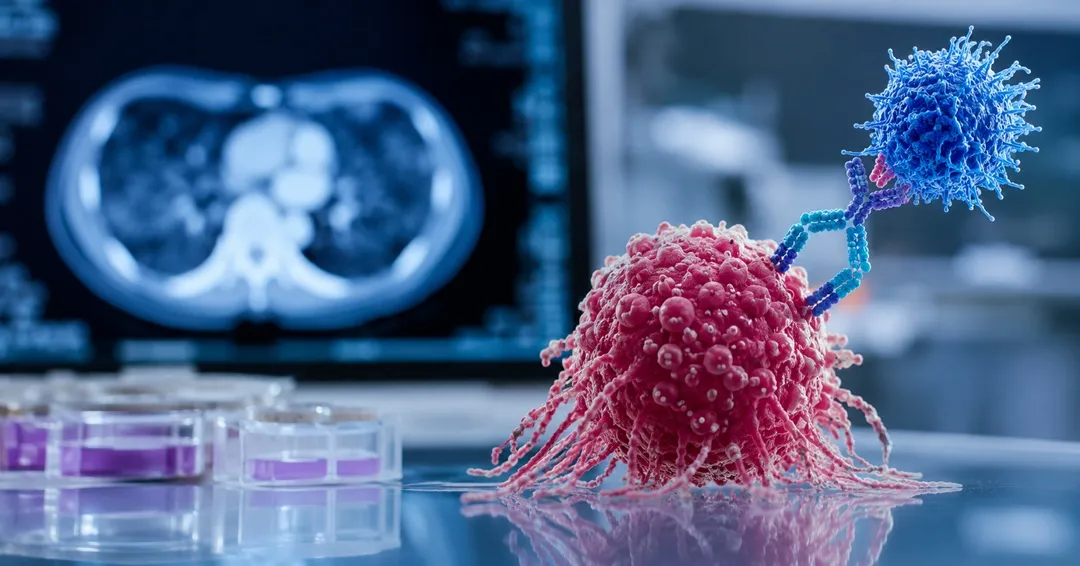
TROP-2 Targeted Therapy Market is anticipated to surpass USD 3.29 billion in 2031 at a CAGR of 8.6 %
The TROP-2 Targeted Therapy market is expanding rapidly due to increasing precision oncology adoption, rising cancer prevalence, and growing use of antibody-drug conjugates. North America leads the market, while Asia Pacific shows the fastest growth. Continuous clinical trials, regulatory approvals, and strategic collaborations are accelerating innovation and commercial adoption worldwide.

Second Primary Cancer Prevention Market is expected to reach USD 24.7 billion by 2031
The Second primary cancer prevention refers to strategies aimed at reducing the risk of developing a new, unrelated cancer in individuals with a prior cancer diagnosis. Growing cancer survivorship, advances in treatment, and increasing awareness of long-term health outcomes have heightened the importance of prevention and surveillance programs. Key approaches include routine screening, genetic risk assessment, lifestyle modification, and long-term follow-up care. Government agencies and healthcare organisations increasingly emphasise survivorship care plans and evidence-based screening protocols to detect new malignancies at earlier stages. Continued investments in early detection technologies and personalised risk assessment are expected to support advancements in second primary cancer prevention.

Synthetic Lethality Drug Market is expected to reach USD 4.31 billion by 2031
The worldwide market for Synthetic Lethality Drug Market is expected to witness significant growth due to an increasing adoption of precision oncology approaches as well as the rising prevalence of genetically driven cancers. Synthetic lethality-based therapies are considered efficient as they are transforming cancer treatment by targeting tumor-specific genetic vulnerabilities, which minimizes damage to healthy cells. Multiple growing investments in genomic research, next-generation sequencing technologies, and biomarker discovery are also accelerating their identification of novel synthetic legal targets. Additionally, increasing regulatory support for targeted therapies, advancements in companion diagnostics, as well as expansion of clinical trial activity are factors that are contributing to market expansion.

Cardio-Oncology Market is projected to surpass USD 5.92 billion in 2031 at a CAGR of 6.8%
The cardio-oncology market is expanding due to rising cancer prevalence and the growing need to manage cardiovascular complications caused by cancer therapies. Advances in cardioprotective drugs, supportive regulatory guidelines, increasing awareness, and ongoing research are driving market growth, with North America leading while the Asia Pacific emerges as a rapidly growing regional market.

Syndromic Infectious Disease Diagnostics Market is expected to reach USD 3.9 billion by 2031
The market for diagnosing syndromic infectious diseases is growing rapidly, as there are more multiplex molecular assays available that can simultaneously identify many pathogens from a single sample.

Antimicrobial Resistance Diagnostics Market is expected to reach USD 6.7 billion by 2031
The Antimicrobial Resistance (AMR) Diagnostics Market is expanding quickly because of the growing number of cases of drug-resistant infections and the increasing need for fast and precise diagnostic solutions. Advances in molecular diagnostics, PCR, next-generation sequencing, and point-of-care testing enable healthcare providers to identify resistant pathogens earlier and strengthen antimicrobial stewardship. Governments and healthcare organizations are increasing investments in healthcare infrastructure and AMR control initiatives, while rising hospital-acquired infections continue to accelerate market growth. On the other hand, expensive diagnostics, complicated regulations, and inadequate accessibility in low-resource areas may discourage adoption.

Pathogen Genomics Diagnostics Market is expected to reach USD 11.2 billion by 2031
The pathogen genomics diagnostics market is growing rapidly, as infectious diseases are becoming more prevalent, there is a growing need for fast and precise pathogen identification, and the use of genomic technologies in clinical diagnostics and public health surveillance is increasing. The development of next generation sequencing (NGS), polymerase chain reaction (PCR), whole genome sequencing (NGS) and metagenomic sequencing is allowing for more rapid and precise identification, characterization and monitoring of pathogens. Furthermore, rising attention to investigating outbreaks, screening for antimicrobial resistance, and surveillance for epidemics, sas well as growing investments in precision medicine research and public health infrastructure are driving market growth.

Pandemic Preparedness Diagnostics Market is expected to reach USD 5.5 billion by 2031
The worldwide market for pandemic preparedness diagnostic tools is booming, as national governments across the globe are making the effort to enhance their early detection of worldwide pandemics and to improve upon the lessons of COVID-19 around testing using multiplex and decentralised molecular diagnostic systems to support pandemic preparedness diagnostics. In January 2025, the World Health Organisation (WHO), Food and Agriculture Organisation (FAO), United Nations International Children's Fund (UNICEF) and the World Bank collectively launched an unprecedented multi-country initiative that will invest over 15 million USD for several areas (diagnostic readiness, multisectoral surveillance, and environmental monitoring) in the area of Southeast Asia. The extensive framework created by WHO for pandemic preparedness identifies diagnostics as a centrepiece of the emergency coordination, surveillance, and rapid response capabilities to global emergencies. Currently, due to the increasing investment in molecular testing, surveillance systems that utilize Artificial Intelligence, and multiplex PCR technology, there is a growing demand for scalable pandemic preparedness diagnostics worldwide.