Press Releases
Access strategic insights, industry indicators, and expert macro reports curated under Press Releases.
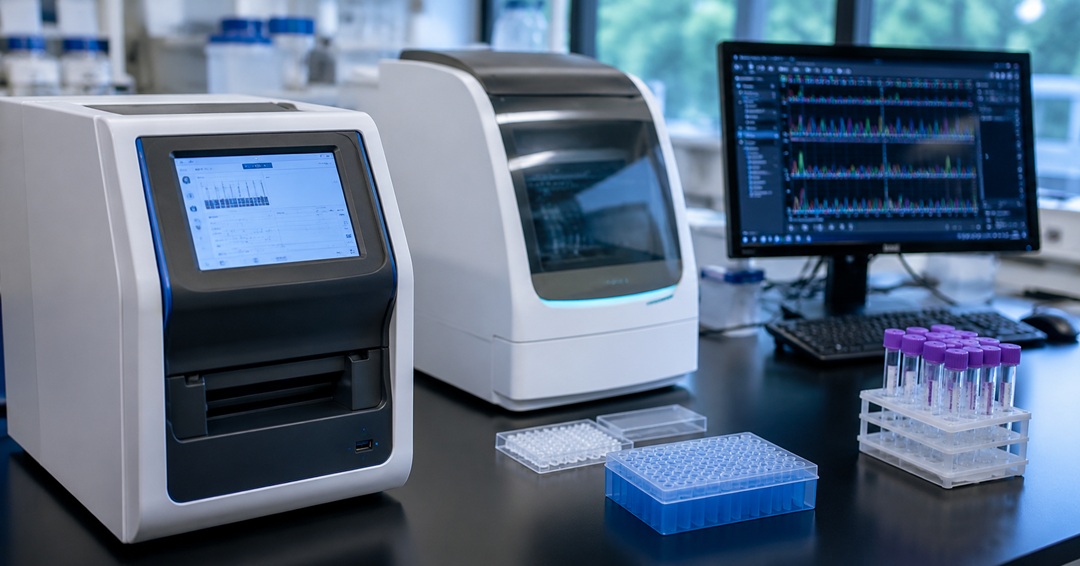
Pharmacogenomics Platforms Market is expected to reach USD 10.1 billion by 2031
The pharmacogenomics platforms market is expanding at a rapid pace. Personalized medicine and genomic testing are the factors pushing the sales of pharmacogenomics products. Companion diagnostics for the treatment of various diseases also lead to demand for pharmacogenomics platforms. Drug-response analysis is becoming easier and faster due to innovative NGS, PCR, and bioinformatics platforms. The use of AI-based tools for precision medicine is one of the key market drivers. Predictive analytics, biomarker discovery, and genomic interpretation are the major areas that have been impacted by AI technologies.

Digital Biomarkers for Clinical Diagnostics Market is expected to reach USD 22.9 billion by 2031
The global digital biomarkers in clinical diagnostics market is experiencing robust growth because of the growing use of digital health technologies and the necessity to monitor patients constantly, in real-time. Digital biomarkers exploit data gathered by wearable devices, smartphones, and other connected health platforms to provide objective, quantifiable measures of the physiological and behavioral states. These biomarkers allow early diagnosis, disease surveillance and personalized treatment options in place of a large spectrum of clinical disorders.
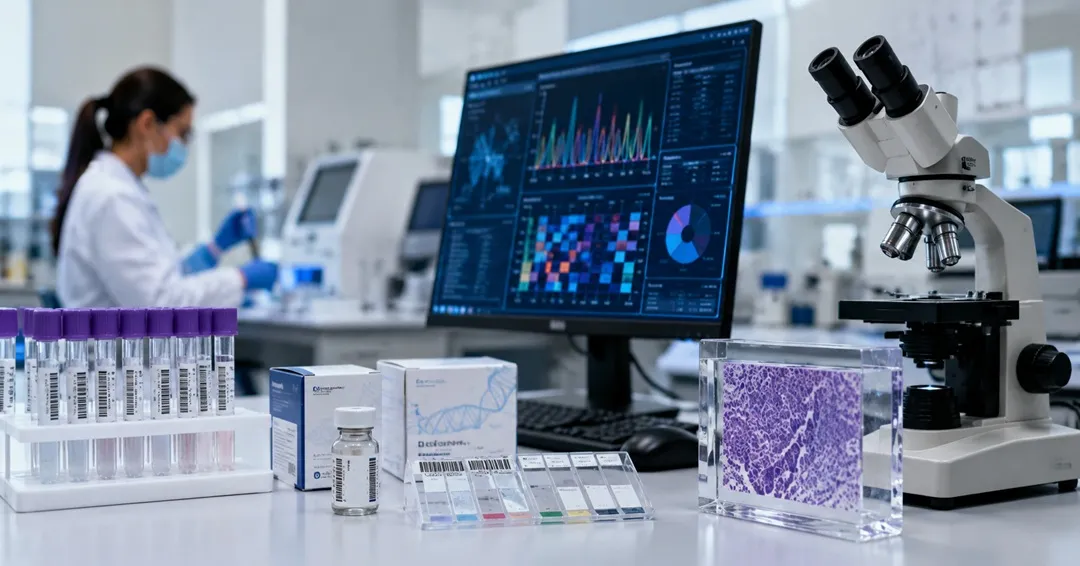
Companion Diagnostics For Targeted Therapies Market is expected to reach USD 15.1 billion by 2031
In 2025, there will be a rapid expansion of the companion diagnostics-targeted therapies ecosystem due to a combination of growing precision medicine use and new and improved regulatory compliance with organisations such as the U.S. Food and Drug Administration, which will be the driving force behind this development. Companion diagnostics (CDx) are in vitro diagnostic (IVD) devices designed to help physicians use targeted drugs by identifying the required biomarkers in patients before they begin treatment.The U.S. FDA approved 46 new drugs in 2025, primarily drugs associated with drug treatment strategies based on biomarkers, and numerous new companion diagnostic devices to accompany these drugs to diagnose patients with malignant neoplasms of the lung, breast, and ovary to ensure appropriate patient selection for such therapies as immunotherapy and kinase inhibitors.Regulatory strategies aimed at reclassifying specific tests for companion diagnostics are being discussed to expedite test approvals and thus provide greater access to testing for patients, which will support the continuing growth of the convergence of the diagnostic and therapeutic markets.

Biomarker-Based Disease Detection Market is anticipated to surpass US$ 107.1 billion in 2031 at a CAGR of 11.0%
The global biomarker-based disease detection market is growing rapidly, driven by rising demand for personalized medicine, early disease diagnosis, and targeted therapies. Advances in genomics, immunoassays, and next-generation sequencing are improving diagnostic accuracy. North America leads the market, while Asia Pacific shows strong growth potential due to expanding healthcare infrastructure.

Precision Medicine Diagnostics Solutions Market is expected to reach USD 122.6 billion by 2031
According to government health organisations, precision diagnostics play a key role in making clinical decisions. For example, genomic sequencing and biomarker-based tests can help determine which therapies are chosen. The National Cancer Institute states that national laboratory networks now utilize standardized next-generation sequencing (NGS) assays to match patients with targeted therapies during clinical trials such as MATCH and ComboMATCH, increasing the accuracy of treatment distribution. Additionally, recent government-funded studies, notably California’s precision medicine initiative, have enrolled more than 220,000 individuals in research studies involving genomics and screening, thus increasing the volume of real-life diagnostic data. These regulatory and research developments indicate that diagnostics are transitioning to multi-biomarker, data-driven platforms integrated into the clinical workflow.
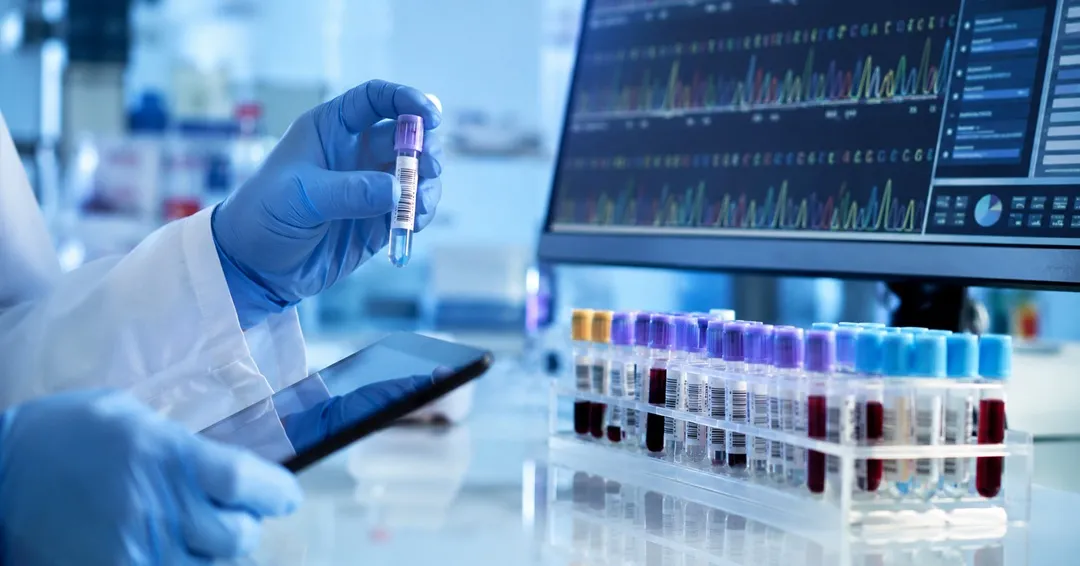
Pharmacogenomics Testing Market is anticipated to surpass US$17.9 billion in 2031 at a CAGR of 10.0%
The pharmacogenomics testing market is expanding as precision medicine gains momentum worldwide. Advancements in NGS and PCR technologies, rising oncology applications, and increasing awareness of personalized treatments are driving demand. North America leads the market, while Asia Pacific shows rapid growth. Key companies are enhancing genomic testing capabilities through innovation and partnerships.
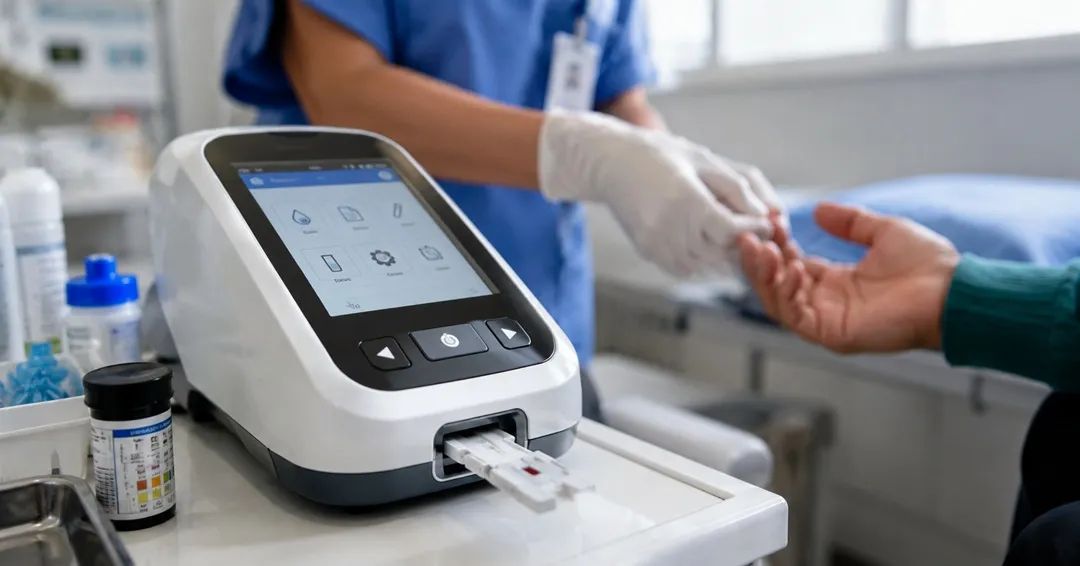
Point-of-Care Diagnostic Devices Market is expected to reach USD 88.8 billion by 2031
The point-of-care diagnostic devices market is growing as more people desire rapid, on-location testing and expedited clinical decisions. Growing applications in chronic and infectious disease detection, coupled with revolutionary portable technologies, are major factors behind the market growth. However, issues related to accuracy and regulations pose challenges.
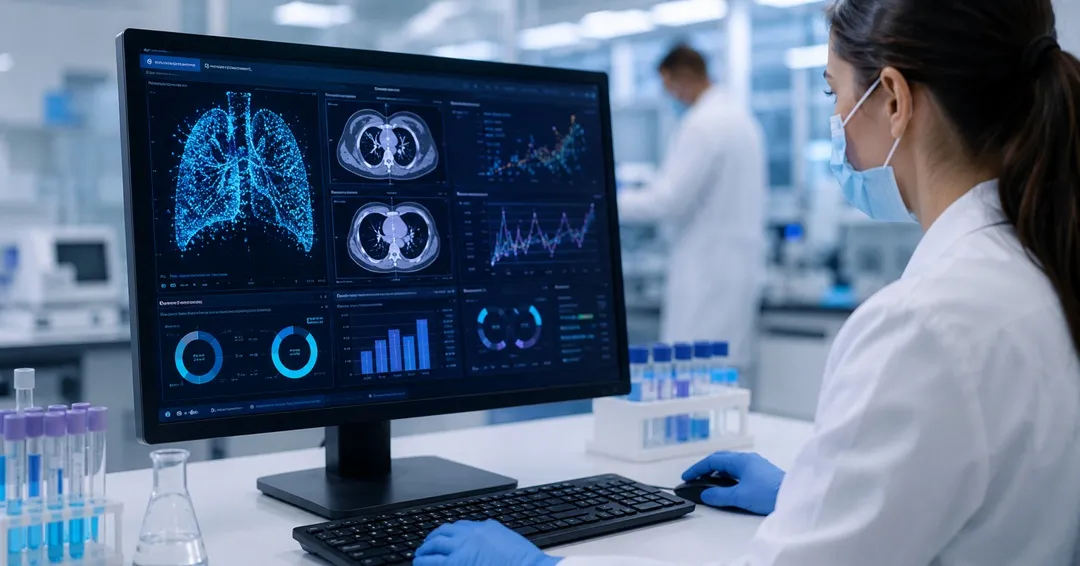
Predictive Analytics For Disease Diagnostics Market is expected to reach USD 12.5 billion by 2031
The market for predictive analytics for disease diagnostics is growing fast because the healthcare industry is moving towards the use of AI and data-based insights for early detection and preventive care. These technologies, which analyze clinical, genomic, and patient data, help in early identification of diseases and in making better treatment decisions. Large companies such as IBM, Oracle Health, SAS Institute, and Siemens Healthineers are leading these technologies.

Molecular Diagnostics Technologies Market is anticipated to surpass US$33.5 billion in 2031 at a CAGR of 8.9%
The molecular diagnostics market is growing due to rising demand for early detection, precision medicine, and infectious disease testing. Advanced technologies like PCR and NGS enhance accuracy and speed. North America leads, while Asia Pacific expands rapidly. Reagents and kits dominate, with strong competition driven by innovation, partnerships, and increasing global healthcare investments.
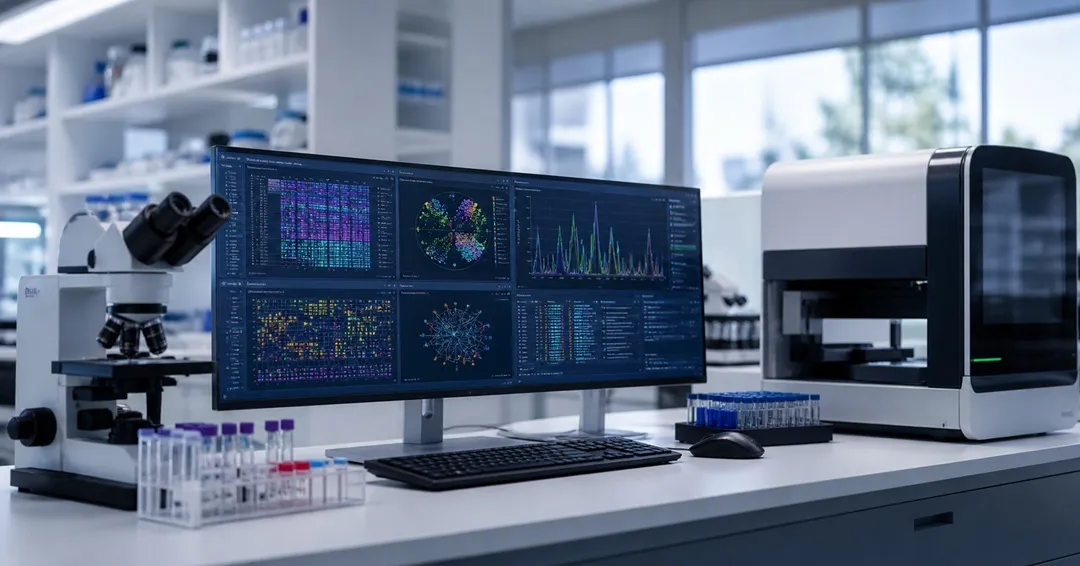
Multi-Omics Diagnostics Integration Platforms Market is expected to reach USD 9.1 billion by 2031
The global market for multi-omics diagnostics integration platforms is robustly growing due to the ever-growing complexity of diseases and the demand for integrated, data-driven diagnostic platforms. Multi-omics approaches allow the integration of various biological data such as genomics, proteomics, transcriptomics, metabolomics and epigenomics to gain a comprehensive understanding of disease processes. They are used for detection, diagnosis and personalised therapies. Coupled with cutting-edge bioinformatics and data analytics techniques, multi-omics technologies can be used in cancer research, rare genetic diseases, neurology, immunology and precision medicine.
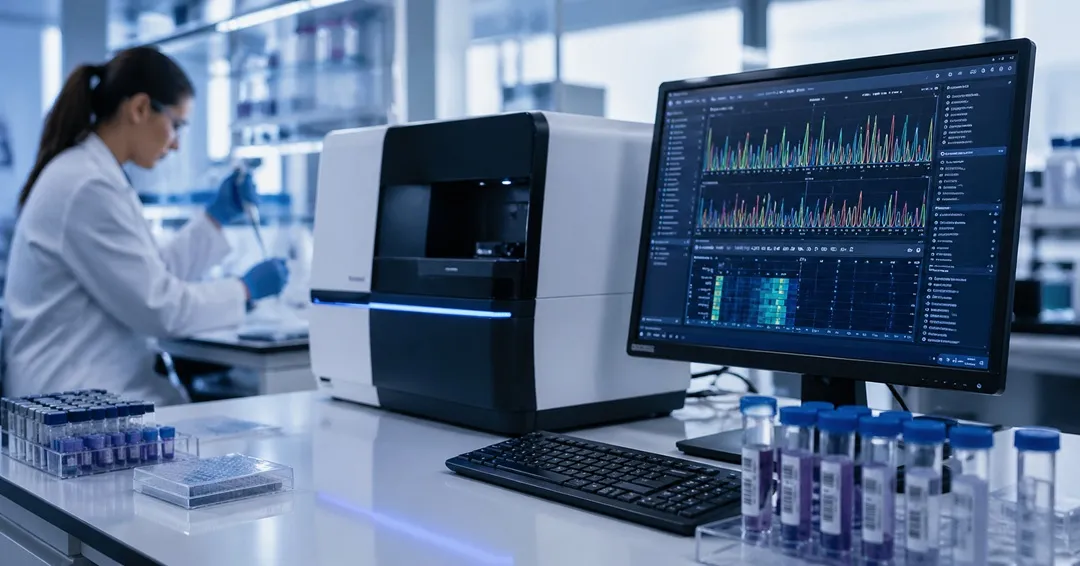
Next-Generation Sequencing (NGS) Diagnostics Market is expected to reach USD 44.8 billion by 2031
The next-generation sequencing (NGS) diagnostics market is developing strongly around the world, as the number of cancer cases is on the rise, and the need for high-throughput, precise, and real-time diagnostics is increasing. NGS technologies can be used to provide overall genomic profiling to detect disease at an early stage, accurately diagnose it, and create individual treatment plans. Combining NGS with sophisticated bioinformatics software further improves its use in the clinical field of oncology, infectious diseases, and the diagnosis of genetic disorders.

Epigenetics Diagnostics Market is expected to reach USD 44.7 billion by 2031
The epigenetics diagnostics market is growing at a steady pace as the need for identifying diseases quickly and accurately, especially cancers and neurological disorders, has increased. Next-generation sequencing and PCR, for instance, are able to pinpoint the epigenetic changes, such as DNA methylation, with a high level of accuracy, thereby facilitating personalized medicine and non-invasive diagnostics in the form of liquid biopsies. More research funds, along with technological innovations and the incorporation of AI-based data analysis, are the major factors supporting the growth of the market. However, expensive testing and a lack of standardization in test methods are the main issues of concern.