Ortho-xylene (OX) is the chemical compound utilized in the chemical industry. Also known as kerosene, this colorless fluid that is extracted from petroleum has proven to be one of the essential components in the manufacture of numerous everyday products. Ortho-xylene (OX) can be turned into PTA, which is a principal compound in the fabrication of polyester fibers installed in clothes, carpets, and food packages. Plastics are not the only ones Ortho-xylene (OX) manufactures it also covers the manufacturing of PET rugged bottles and takeaway containers. Overall, it is the capacity of ortho-xylene to turn into those basic substances that make it the cornerstone figure of modern manufacturing products.
Ortho-xylene (OX) is a highly versatile chemical meant to facilitate the production of various products. It serves as a flexible foundation for Softeners (plasticizers) that allow the plasticity of PVC pipes, hoses, and various plastic products. Unsaturated polyesters are found in fiberglass compounds used for recreational boat hulls, wind energy turbine blades, and construction supplies among others. Alkyl resin is the most useful ingredient in paints, varnishes, and coatings for a lifetime and a trimmed look.
Global production trends
The production of Ortho-xylene is growing with the increasing need for products in the downstream sector and the surge in shale gas production in the United States region. As the high demand for downstream products serves as the main driver for ortho-xylene (OX) production, the production of this chemical will likely continue to grow in the future. Oxide plays an important role in being a basic substance for the production of a number of different materials like PVC plastics via phthalic anhydride, alkyd resins for paints and coatings, and fiberglass composites via unsaturated polyesters. Construction, manufacturing, and renewable energy sectors which have grown globally worldwide are going to increase ortho-xylene production consistently providing a platform for these products to be sold.
In recent days, there has been a notable surge in shale gas production in the United States region. The development of the shale gas industry in areas such as the United States has transformed into a major production of ortho-xylene. This gas-rich and economical fuel is employed for the steam cracking process which converts it to vital chemicals like ortho-xylene. The continuous prosperity of shale gas produces this trend which is further expected to influence the global Ortho-xylene (OX) production by providing an immediate and affordable raw material supply.
Ortho-xylene use case.
Ortho-xylene has several use cases that are boosting its production and market around the globe. These uses include the production and manufacturing of plastic components, the growing use of plastic products in daily life of consumers is increasing the need for Ortho-xylene.
The key component used in the production of plastics is xylene ortho which is particularly used in the development of the PVC plastic types, the commonly used products in the construction of pipes, hoses, and construction parts. By virtue of a phthalic anhydride-derived substance, Ortho-xylene (OX) strengthens the flexibility and durability of the plastics to make them more capable of withstanding the roughness in everyday use.
Furthermore, ortho- xylene has a major role in alkyd resin makeup, which is indispensable in
paint and coating. These
adhesive resins, among others, play essential roles in imparting to the paints the qualities necessary for paint adhesion, durability, and level and smooth finish required to protect and enhance our homes and resources. Ranging from the lively colors of exterior paint to beaming varnishes, Ortho-xylene (OX) remains the lifeblood of creating the superabundant world to live in.
Market Dynamics and Drivers
Various factors drive the Ortho-xylene market, including rising demand for downstream products like plastics, paints, and coatings coupled with the growing shale gas production in the United States region which raises the significant demand for the xylene ortho chemical compound market.
Plastics one of the basic ingredients for the production of polyvinyl chloride (PVC) widely used in construction (including pipes and hoses) and multiple consumer goods is ortho-xylene, which is obtained through phthalic anhydride production. The penetration of the globe by the construction and manufacturing industry is expected to result in high demand for the PVC and
ortho-xylene market in the forecast period.
Additionally, the surge in the production of shale gas in the United States region, the increasing demand for downstream products like plastics and paints, and the geographical transition in the Asia Pacific region are the main driving factors that are predicted to boost the market growth as they have a significant use for Ortho-xylene for day-to-day operations in various industries.
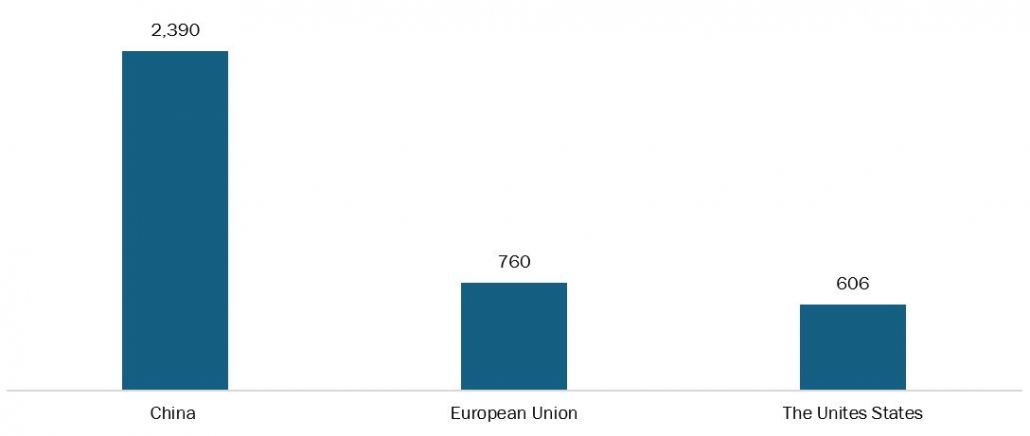
Ortho-xylene plays an important role in the production of various products like paints and plastics and with the increased chemical production in various regions, the demand for Ortho-xylene will rise proportionally. For instance, according to the European Chemical Industry Council published an article in 2022, it states that China is the highest sales of 2,390 Euro billion around the globe.
Figure 1: World Chemical Sales by Countries (2022, Euros Billion)
 Source: European Chemical Industry Council
Challenges and Constraints
Source: European Chemical Industry Council
Challenges and Constraints
The growth of the ortho-xylene market is rather affected by various limitations despite the positive prospects of the market. Prices of crude oil, a major source of feedstock, may go sideways, thereby increasing production costs of manufacturing considerably. On the other hand, there are those environmental conditions influenced by the traditional production of ortho-xylene. The stringent legislation and concern for sustainable business endeavors could ultimately cause the delay thereby necessitating the application of cleaner technologies. Furthermore, the safe disposal of C12H10 flashlights when they have reached the end of their lives is also important in order to reduce environmental pollution and must be approached carefully. Exerting greater attention to the improvement of cost-effective feedstock alternatives, cleaner production, and product management will be the key drivers for the climate-friendly development of the ortho-xylene sector.
Emerging opportunities and innovations
The Ortho-xylene market is delving into bio-based feedstock which tends to be a renewable material providing a bright future for now. In addition, scientists have managed to improve the cleaning process through methods such as microwaves and heating to reduce the amount of energy and waste. These discoveries, concerning other destinations, such as
bioplastics, are evidence of the fact that orthoxylene can be used to build a brighter and greener future.
Key Developments
- In April 2024: Eni’s Versalis acquired Technofilms a renowned player in functionalized polyolefins and thermoplastic compounds. This helps in enhancing the product portfolio of Versalis in the field if elastomers.
At last, concluding that the Ortho-xylene market is predicted to have several innovations and growth opportunities over the forecast period. The market is driven by the increasing demand for the downstream sector coupled with the growing shale gas production in the United States region the driving factors that propelled the Ortho-xylene market. there are several challenges to be faced such as fluctuations in oil prices and strict environmental guidelines in the production of various industry-based products. Therefore, the industry is anticipated to maximize technological advancement and innovations to meet the needs of a growing global demand for the Ortho-xylene market.