
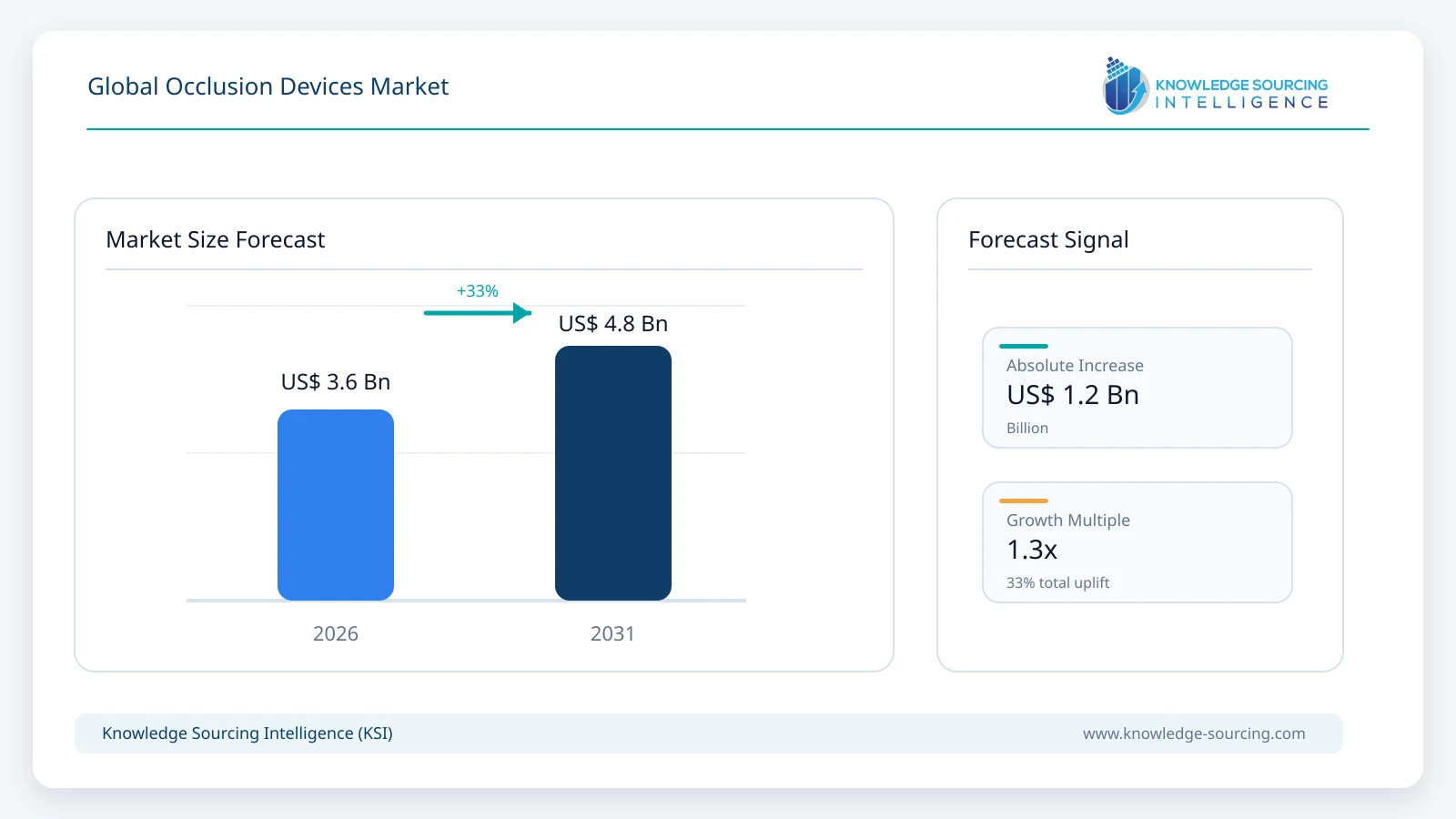
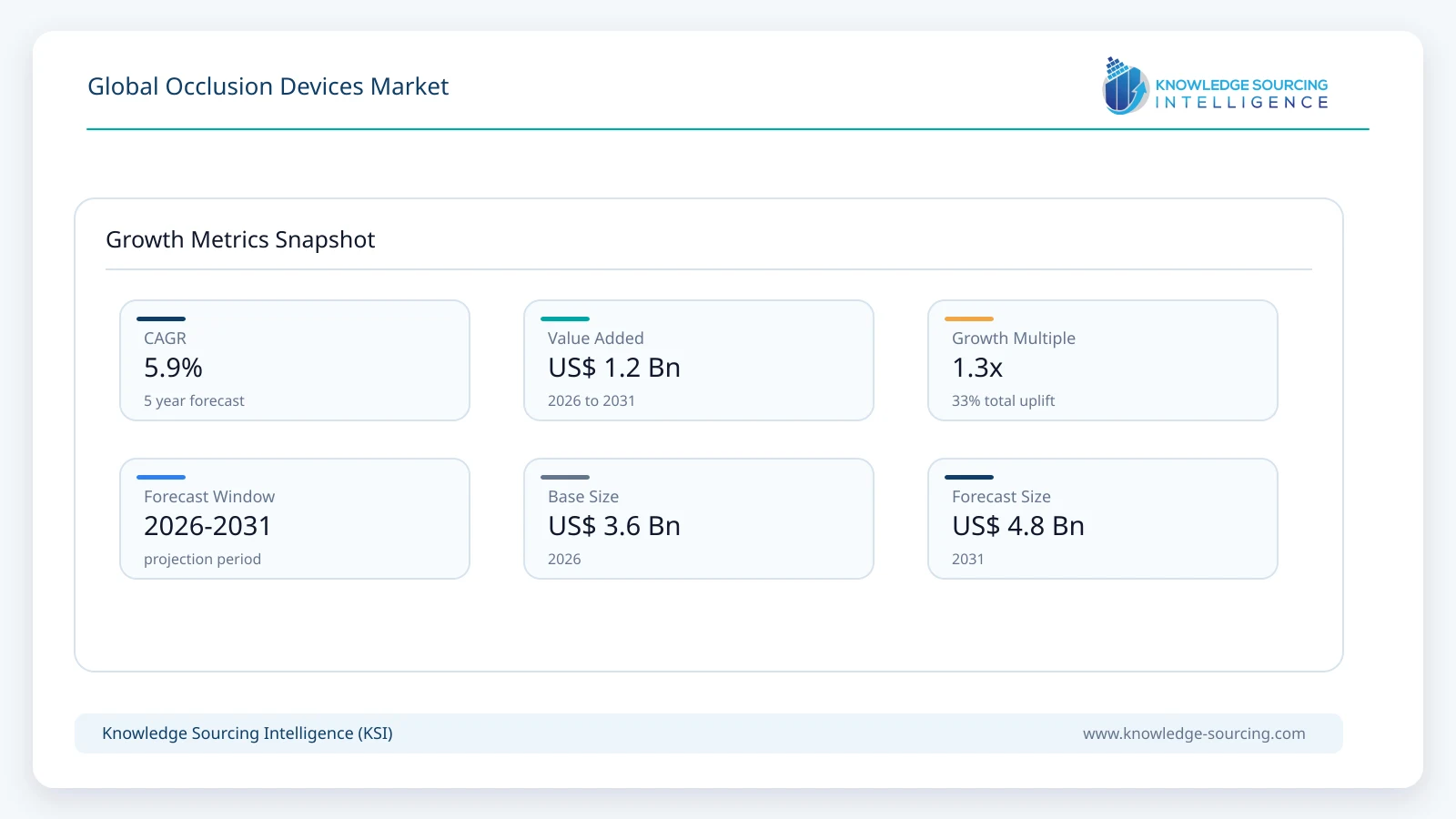
The Global Occlusion Devices market is forecast to grow at a CAGR of 5.9%, reaching USD 4.8 billion in 2031 from USD 3.6 billion in 2026.
Highlights:
- 1Largest End-UserHospitals and specialized catheterization laboratories (Cath Labs) remain the primary demand drivers, as the complexity of implanting structural heart and neurovascular occlusion devices requires advanced sterile environments and multidisciplinary surgical teams.
- 2Regulatory ImpactThe implementation of the FDA’s Breakthrough Devices Program has accelerated the market entry for innovative thrombectomy systems, while the EU MDR has increased the barriers to entry for new embolic agents, reinforcing the market share of incumbent manufacturers.
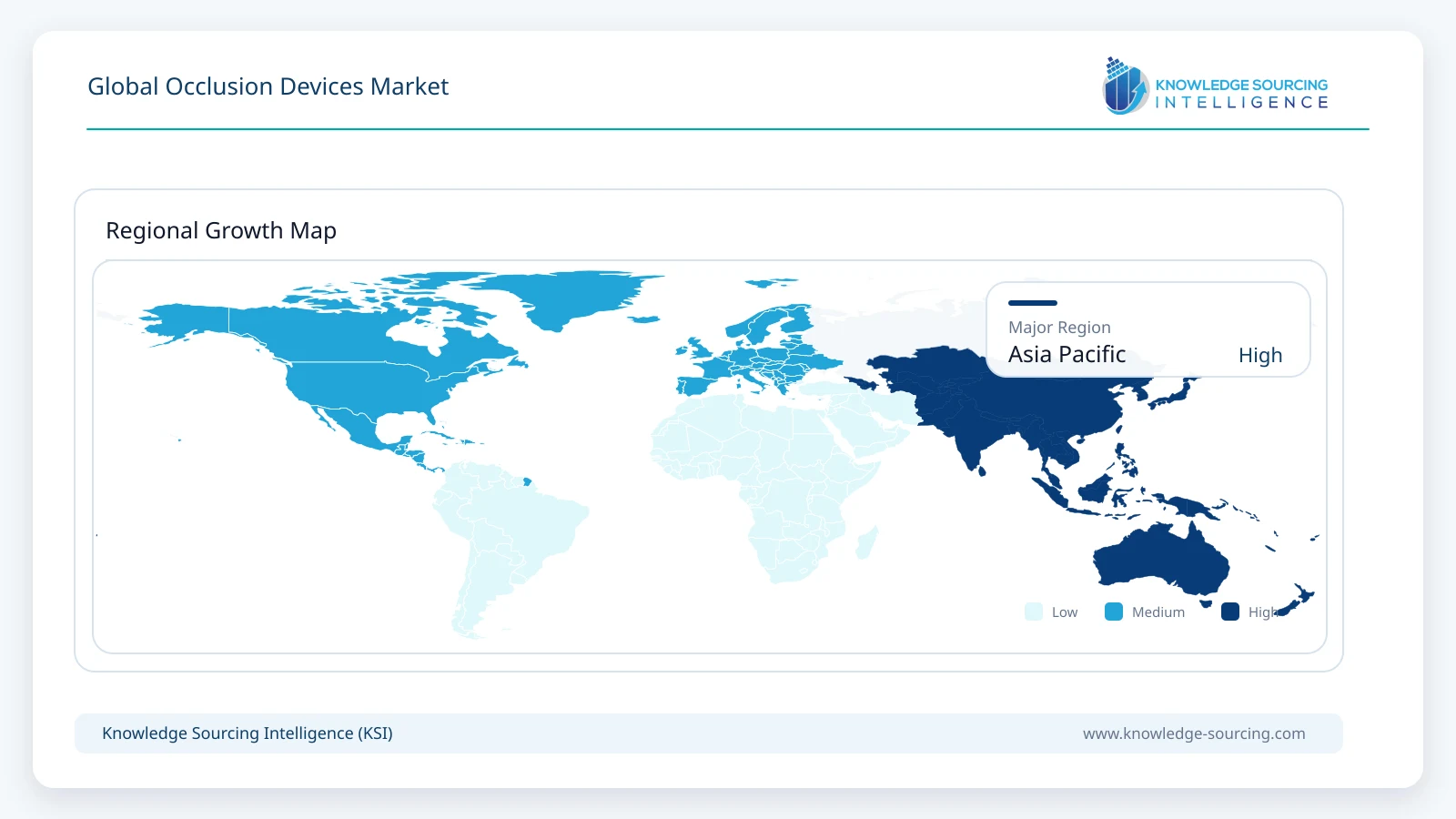
- 3Regional LeaderNorth America maintains market dominance, underpinned by a high volume of interventional procedures, a sophisticated reimbursement landscape for transcatheter aortic valve and left atrial appendage (LAA) closures, and rapid adoption of new clinical data.
- 4Technology TransitionThere is a pronounced shift from simple mechanical coils to sophisticated liquid embolic agents and computer-assisted aspiration systems, which offer superior control in high-flow vascular environments and complex clot morphologies.
The structural demand for occlusion devices is fundamentally anchored in the increasing global prevalence of chronic cardiovascular and neurovascular conditions, which necessitate precise vascular control. Unlike traditional surgery, occlusion devices facilitate targeted therapy through small-caliber access points, significantly reducing procedural morbidity and hospital resource utilization. Industry dependency factors are heavily tied to the evolution of interventional radiology and cardiology infrastructure, as the efficacy of these devices relies on high-resolution fluoroscopic and three-dimensional intravascular imaging. As healthcare systems prioritize "value-based care," the demand for occlusion devices is intensifying due to their ability to provide definitive treatment with shorter recovery times compared to pharmacological or open-surgical alternatives.
Technology evolution within the sector is currently centered on the refinement of delivery systems and embolic materials. Modern facilities are transitioning toward specialized microcatheter systems that allow for the navigation of tortuous anatomy, particularly in neurovascular applications. This evolution is complemented by a growing focus on biocompatibility, where manufacturers utilize bioabsorbable materials and drug-eluting coatings to minimize the risk of late-stage inflammatory responses. Regulatory influence, specifically the transition to the European Medical Device Regulation (EU MDR 2017/745), continues to shape the market through more rigorous clinical evidence requirements, which favor established players with robust longitudinal safety data.
Market Dynamics
Market Drivers
Rise in Minimally Invasive Interventional Procedures: The shift toward transcatheter approaches for structural heart defects (e.g., ASD and PFO) drives demand because these devices offer an alternative to sternotomy, significantly reducing procedural risk and the duration of post-operative intensive care.
Aging Population and Chronic Disease Burden: The escalating incidence of atrial fibrillation (AFib) and neurovascular aneurysms in the geriatric population increases the demand for LAA occluders and neuro-embolization coils as primary stroke prevention strategies.
Expansion of Oncological Embolization: The use of occlusion microspheres for transarterial chemoembolization (TACE) is growing as a frontline treatment for unresectable liver and kidney tumors, creating a stable, high-volume demand stream within interventional oncology.
Advancements in Computer-Assisted Thrombectomy: Technological shifts toward intelligent aspiration systems (e.g., Lightning Flash 3.0) drive demand by enabling faster and more complete clot removal with minimal blood loss, expanding the treatable patient population for acute limb ischemia.
Market Restraints and Opportunities
Stringent Clinical and Regulatory Hurdles: The high cost and prolonged duration of clinical trials required for class III medical device approval act as a significant restraint, particularly in the EU where MDR compliance has delayed the commercialization of several next-generation embolic agents.
Shortage of Skilled Interventional Specialists: The complexity of neuro-interventional and structural heart procedures creates a bottleneck in market growth, as adoption is limited by the availability of specialized training for interventionalists in emerging markets.
Emerging Indications in Musculoskeletal Health: The approval of embolic agents for genicular artery embolization (GAE) to treat knee osteoarthritis represents a major specialty opportunity to expand the market beyond traditional vascular applications.
Growth in Ambulatory Surgical Centers (ASCs): The increasing capability of ASCs to perform peripheral vascular and gynecological embolization procedures (e.g., uterine fibroid embolization) offers a strategic opportunity to capture decentralized patient volumes.
Raw Material and Pricing Analysis
Occlusion devices are complex physical products, relying critically on the specialized supply of biocompatible, high-performance materials. The core component for self-expanding plugs and coils is Nickel-Titanium (Nitinol), valued for its shape memory and super-elasticity, which demands precise, highly controlled manufacturing processes. Other key materials include platinum for coils (offering radiopacity) and specialized polymeric coatings for drug-eluting features and enhanced lubricity. Global pricing for these specialty metals is subject to commodity market fluctuations and geopolitical trade dynamics, creating persistent cost volatility for manufacturers. The necessity for high-grade, traceable materials and complex micro-manufacturing steps inherently prevents commoditization, sustaining the premium pricing structure of the final devices.
Supply Chain Analysis
The supply chain for the Global Occlusion Devices Market is characterized by a high-value, low-volume, and exceptionally stringent quality-controlled framework. Key production hubs are concentrated in regions with specialized medical device manufacturing expertise, notably the USA, Germany, Ireland, and East Asia (Japan, South Korea). The primary logistical complexity stems from transporting delicate, sterilized, pre-loaded delivery systems, which require a strictly managed cold chain and specialized handling to prevent device damage that would compromise clinical performance. The supply chain is highly dependent on a small group of Tier 1 specialty component suppliers for raw materials like high-purity Nitinol wire, creating a dependency bottleneck that can be acutely sensitive to global trade disruptions or regulatory changes affecting single-source materials.
Government Regulations
Jurisdiction | Key Regulation / Agency | Market Impact Analysis |
United States | FDA Center for Devices and Radiological Health (CDRH) - Premarket Approval (PMA) / 510(k) | FDA oversight requires rigorous clinical evidence for high-risk implants (PMA), establishing verified safety and efficacy profiles. This ensures physician confidence and channels demand toward proven devices, while the 510(k) process supports faster market entry for technology iterations. |
European Union | Medical Device Regulation (EU MDR) 2017/745 | The MDR requires mandatory clinical evidence updates and comprehensive post-market surveillance for all devices, including those previously certified. This places a significant burden on manufacturers for recertification, leading to temporary product rationalization and potentially shifting demand toward manufacturers with robust regulatory affairs infrastructure. |
China | National Medical Products Administration (NMPA) | The NMPA implements a "fast-track" approval pathway for innovative medical devices, which directly accelerates market access and adoption of cutting-edge foreign and domestic occlusion technologies, thereby fueling demand in the Asia-Pacific region. |
Key Developments
March 2026: Boston Scientific announced CHAMPION-AF trial results showing WATCHMAN FLX™ left atrial appendage occlusion devices achieved primary safety and efficacy endpoints against blood-thinner therapies for stroke-risk reduction.
March 2026: Haemonetics received FDA approval expanding VASCADE MVP® XL vascular closure labeling for larger sheaths used in left atrial appendage occlusion and pulsed field ablation procedures.
February 2026: Abbott received FDA approval for manufacturing-related updates to the Amplatzer™ Amulet™ Left Atrial Appendage Occluder, supporting continued advancement of minimally invasive cardiac occlusion technologies.
October 2025: Penumbra released results from the landmark STORM-PE RCT, which found that Computer-Assisted Vacuum Thrombectomy (CAVT) using their Lightning Flash system plus anticoagulation achieved superior reduction in right heart strain compared to anticoagulation therapy alone for pulmonary embolism.
October 2025: Medtronic announced the full U.S. distribution of the Neuroguard IEP System, a 3-in-1 technology combining a stent, an integrated dilation balloon, and a 40-micron integrated embolic protection filter, which is purposefully built for carotid artery stenting procedures.
Market Segmentation
By Application: Cardiology
The Cardiology application segment constitutes a foundational growth pillar, driven predominantly by the management of complex coronary artery disease (CAD), peripheral artery disease (PAD), and structural heart conditions. Within CAD, the use of embolic protection devices during percutaneous coronary intervention (PCI) is a key area; although current guidelines show a downgraded recommendation for routine use in saphenous vein graft (SVG) intervention, the clinical consensus supports their use in high-risk cases to mitigate distal embolization, thus creating targeted demand. The most impactful growth catalyst is the increasing need for Left Atrial Appendage (LAA) Occlusion devices in patients with non-valvular AFib who are deemed ineligible or high-risk for long-term oral anticoagulation therapy. The demonstrated long-term safety data from major clinical trials for devices like the WATCHMAN (Abbott) and Amulet (Abbott) actively validate LAA occlusion as a standard alternative, shifting demand from pharmacological management to permanent device implantation. The documented procedural success and patient-reported quality of life improvements solidify this demand structure, making the devices essential for stroke prevention in a growing, specific patient population.
By End-User: Hospitals
The Hospitals segment represents the largest revenue generator for the Occlusion Devices Market, a structure cemented by the inherent procedural requirements. Catheter-based interventions, including stroke thrombectomy, aneurysm coiling, and pulmonary embolism (PE) management, require specialized infrastructure (hybrid operating rooms/cath labs), high-acuity support staff, and a large inventory of premium disposable devices. The demand profile is driven by volume and technological sophistication; hospitals need to maintain state-of-the-art thrombectomy and embolization systems to adhere to clinical guidelines, particularly the 2021 ACC/AHA guidelines for cardiovascular revascularization and the 2019 AHA/ASA guidelines for acute ischemic stroke. Crucially, the demand is often concentrated in regional Comprehensive Stroke Centers (CSCs) and major trauma centers, which require full inventories of high-value occlusion and clot retrieval systems to ensure 24/7 readiness. Reimbursement policies in developed markets, which favor high-value, minimally invasive procedures, further incentivize hospitals to invest in and utilize these advanced devices over older surgical methods.
By Type: Occlusion Removal Devices
The occlusion removal devices segment, primarily consisting of mechanical and aspiration thrombectomy systems, is witnessing the fastest growth within the market. This surge is driven by the clinical superiority of mechanical thrombectomy over thrombolytic drugs for acute ischemic stroke and pulmonary embolism. The structural shift is supported by "Level 1" clinical evidence demonstrating that rapid, automated clot aspiration significantly improves functional outcomes and reduces long-term disability. Innovations in intelligent aspiration algorithms, which distinguish between clot and blood, have optimized procedural speed and safety, making these devices the frontline standard of care in neurovascular and peripheral emergencies.
Regional Analysis
North America
North America, specifically the United States, represents the largest market share due to a mature healthcare infrastructure and the presence of major industry players like Abbott and Medtronic. Demand is driven by the high prevalence of cardiovascular diseases and a proactive regulatory environment that supports the early adoption of breakthrough technologies. The region’s competitive landscape is defined by aggressive M&A activity and the rapid integration of computer-assisted thrombectomy into standard clinical protocols. Favorable Medicare reimbursement for structural heart and neurovascular interventions ensures consistent market growth.
Europe
The European market is characterized by a strong emphasis on clinical evidence and cost-effectiveness, influenced by the implementation of the EU MDR. While Germany and France are major hubs for interventional cardiology, the region’s growth is slightly moderated by the decentralized nature of its healthcare systems and varying reimbursement levels across member states. However, the early adoption of genicular artery embolization and other peripheral vascular innovations provides significant growth opportunities. European demand is increasingly focused on high-precision, halogen-free, and biocompatible embolic materials.
Asia Pacific
Asia Pacific is the fastest-growing region, fueled by rapid healthcare infrastructure expansion in China, India, and South Korea. The increasing burden of chronic diseases and a rising geriatric population in Japan and China are driving a massive volume of neuro-interventional procedures. Domestic manufacturing in China is rising, providing competitive alternatives to international brands. In India, the expansion of private hospital networks and increasing awareness of minimally invasive stroke treatments are creating significant demand for embolization and occlusion removal systems.
List of Companies
Abbott
Medtronic
Penumbra, Inc.
AtriCure, Inc.
Terumo Europe NV
Boston Scientific Corporation
Neuravi (Johnson & Johnson)
Prytime Medical Devices, Inc.
Acrostak Int.
ArtVentive Medical Group, Inc.
EndoShape, Inc.
Cook Medical
Abbott
Abbott is a global leader in the structural heart segment, primarily through its "Amplatzer" portfolio. The company’s strategy is centered on diversifying the clinical applications of its occluder technologies, targeting everything from neonatal patent ductus arteriosus (PDA) to LAA closure for stroke risk reduction. Abbott’s competitive advantage lies in its extensive legacy of clinical data and its global distribution network, which allows it to maintain a dominant position in the cardiac occlusion market. Its integration model focuses on combining diagnostic imaging with interventional devices to provide an end-to-end solution for structural heart defects.
Penumbra, Inc.
Penumbra specializes in the "head-to-toe" removal of blood clots, positioning itself as the technological leader in vacuum-assisted thrombectomy. Its strategy is focused on "Computer Assisted Vacuum Thrombectomy" (CAVT), utilizing advanced microprocessor algorithms to optimize clot aspiration. Penumbra’s competitive advantage is its focus on procedural speed and simplicity, as evidenced by its Lightning Flash and Indigo systems. The company is aggressively expanding its geographic strength in Europe and APAC, while simultaneously entering new clinical markets such as genicular artery embolization.
Medtronic
Medtronic maintains a diverse presence across neurovascular and peripheral occlusion markets. Its strategy leverages its broader cardiovascular and surgical portfolio to offer integrated procedural bundles to hospitals. Medtronic’s competitive advantage is its deep R&D pipeline in flow-diverting stents and detachable coils for aneurysm treatment. The company’s geographic strength is bolstered by its extensive international presence and its ability to navigate complex regulatory environments. Medtronic’s focus on AI-driven surgical assistance and data-driven best practices positions it at the forefront of the technological transition toward smarter interventional tools.
Analyst View
The occlusion devices market is propelled by a structural transition toward transcatheter-based interventions and the expansion of embolization into orthopedic pain management. Competitive dominance is maintained by firms integrating computer-assisted technologies while navigating the rigorous clinical data requirements of new global regulations.
Occlusion Devices Market Scope:
| Report Metric | Details |
|---|---|
| Total Market Size in 2026 | USD 3.6 billion |
| Total Market Size in 2031 | USD 4.8 billion |
| Forecast Unit | Billion |
| Growth Rate | 5.9% |
| Study Period | 2021 to 2031 |
| Historical Data | 2021 to 2024 |
| Base Year | 2025 |
| Forecast Period | 2026 – 2031 |
| Segmentation | Type, Application, End-User, Geography |
| Companies |
|
Market Segmentation
By Type
By Application
By End-users
By Geography
Table of Contents
1. EXECUTIVE SUMMARY
2. MARKET SNAPSHOT
2.1. Market Overview
2.2. Market Definition
2.3. Scope of the Study
2.4. Market Segmentation
3. BUSINESS LANDSCAPE
3.1. Market Drivers
3.2. Market Restraints
3.3. Market Opportunities
3.4. Porter’s Five Forces Analysis
3.5. Industry Value Chain Analysis
3.6. Policies and Regulations
3.7. Strategic Recommendations
4. TECHNOLOGICAL OUTLOOK
5. GLOBAL OCCLUSION DEVICES MARKET BY TYPE
5.1. Introduction
5.2. Occlusion Removal Devices
5.3. Embolization Devices
5.4. Tubal Occlusion Devices
6. GLOBAL OCCLUSION DEVICES MARKET BY APPLICATION
6.1. Introduction
6.2. Cardiology
6.3. Gynaecology
6.4. Neurology
6.5. Urology
6.6. Others
7. GLOBAL OCCLUSION DEVICES MARKET BY END-USERS
7.1. Introduction
7.2. Hospitals
7.3. Ambulatory Surgical Centers
8. GLOBAL OCCLUSION DEVICES MARKET BY GEOGRAPHY
8.1. Introduction
8.2. North America
8.2.1. USA
8.2.2. Canada
8.2.3. Mexico
8.3. South America
8.3.1. Brazil
8.3.2. Argentina
8.3.3. Others
8.4. Europe
8.4.1. Germany
8.4.2. France
8.4.3. United Kingdom
8.4.4. Spain
8.4.5. Others
8.5. Middle East and Africa
8.5.1. Saudi Arabia
8.5.2. UAE
8.5.3. Others
8.6. Asia Pacific
8.6.1. China
8.6.2. India
8.6.3. Japan
8.6.4. South Korea
8.6.5. Indonesia
8.6.6. Thailand
8.6.7. Others
9. COMPETITIVE ENVIRONMENT AND ANALYSIS
9.1. Major Players and Strategy Analysis
9.2. Market Share Analysis
9.3. Mergers, Acquisitions, Agreements, and Collaborations
9.4. Competitive Dashboard
10. COMPANY PROFILES
10.1. Abbott
10.2. Penumbra, Inc.
10.3. Medtronic
10.4. AtriCure, Inc.
10.5. Terumo Europe NV
10.6. Neuravi
10.7. Prytime Medical Devices, Inc
10.8. Acrostak Int.
10.9. ArtVentive Medical Group, Inc.
10.10. EndoShape, Inc
11. APPENDIX
11.1. Currency
11.2. Assumptions
11.3. Base and Forecast Years Timeline
11.4. Key benefits for the stakeholders
11.5. Research Methodology
11.6. Abbreviations
LIST OF FIGURES
LIST OF TABLES
Navigate
Trusted by the world's leading organizations











