Livestock Farming Demands For The Gluten Feed
The Gluten Feed Market is estimated to be worth US$1.238 billion in 2022, with a CAGR of 7.59% expected to reach US$2.967 billion by 2029.
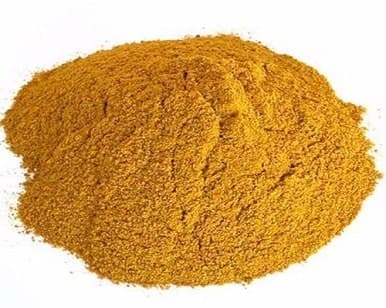
Gluten feed is produced due to the corn syrup and corn starch production processes. It is a moderate protein feed with nearly the same level of total absorbable nutrients as barley. Corn gluten feed is primarily composed of maize steep and maize bran liquor, distillers soluble, cracked maize screenings, germ meal, and trace amounts of final products from other microbial fermentation processes. Gluten feed based on corn's chemical composition differs widely depending on the milling operation and the relative amounts of steep liquor, bran, and other elements. The portion of steep liquor in the blend has a significant connection with corn gluten feed's protein and energy composition. The High Protein content in gluten feed is expected to drive the growth of the market in the livestock farming globally.
The Corn, Maize and Wheat Gluten Feed Are Highly Digestable Which Will Lead To The Growth Of the Market.
Corn/Maize Gluten Feed- Corn gluten feed is a natural outcome of sweeteners, oil, cornstarch, and other products produced by wet processing. It is used as a feed supplement in cattle diets as a protein and energy source that aids the absorption of nutrients. Corn gluten meal contains approximately 65 percent crude protein and is widely used as livestock feed. It can provide energy, protein, and pigments to livestock and is used to improve digestibility in pet foods. Gluten feed is a byproduct of wet milling plants that manufacture human-grade products like starch and high-fructose corn syrup, which are used to add flavor to many soft drinks. Gluten for cattle is available as a wet mash, typically with a dry matter content of 40 to 60 percent, or as a dry (90 percent) pelleted product.
Wheat Gluten Feed-Wheat gluten feed is a natural outcome of wheat grain starch extraction. Following a swelling method, wheat is de-germinated in wet milling. Physical cleaning occurs after the husk is eliminated from the endosperm. The wheat gluten is split during this process, and pure wheat starch is procured. Wheat gluten feed is made from wheat gluten, split wheat husks, and dried wheat spring water. The product contains approximately 24 percent starch and approximately 16 percent crude protein. Wheat gluten feed is largely used in compound feed for ruminant animals (cows, cattle). However, its high nutrient intestinal absorption in the small intestine is also used in non-ruminant feed (pigs, poultry).
Soaring Demand For Animal-Based Product Is a Driving Force For The Gluten Feed Market
The livestock industry has been under mounting pressure to meet the rising consumption of high-value animal protein and meat. Growth in population, soaring incomes in developing nations, and urbanization have been expected to lead to a significant increase in global livestock intake. Cash flow and animal protein intake have been significantly associated with meat, milk, and egg usage, boosting the cost of staple foods. Because of reduced meat and animal product prices, emerging countries are beginning to imbibe large amounts of meat at much lower levels of GDP than industrialized countries. Urbanization has resulted in a greater trend for meat and dairy products in cities than in rural areas.
The Covid-19 Impacted the Gluten Feed Market Negatively
The COVID-19 disease outbreak has caused a significant shift in consumer eating patterns. Due to safety concerns, many users have switched from animal-based products to plant-based products, resulting in a decrease in sales volume. Furthermore, during the COVID-19 crisis, the closure of HoReCa and food processing facilities and the implementation of certain manufacturing protocols may have resulted in decreased growth in the gluten feed market.
The Asia-Pacific Predicted To Contribute Major Share To The Growth Of Gluten Feed Market
Globally, livestock farming and demand have increased, owing primarily to Asia-Pacific countries' growing market share. Consumption and production of farm products have increased dramatically in China, India, and Japan. India is considered the world's largest milk producer, accounting for 20.17 percent of the overall milk production. India contributes to approximately 5.65% of global egg production and has the world's highest population of milch animals, with 133 million goats, 110 million buffaloes, and 63 million sheep. India accounts for 3% of total meat production as per APEDA. With emerging economies' long-term economic growth, consumer preferences have shifted toward more animal-based products. Some of the main reasons for the high growth and demand are lifestyle choices, the higher spending power of consumers, and transforming spending patterns. In terms of both consumption and production of animal-based goods, the Asia-Pacific region is expected to grow faster and more remarkably over the forecast period. The use of feed probiotics will increase as the industry becomes more industrialized.
Animal Products In India
|
Animal-Based Products |
Total Amount Of Production Per Year |
Availabilty(Per Capita) |
Recommendations As Per ICMR Guidelines |
|
Milk |
176.3 MT |
375 grams/day |
280 grams/day |
|
Meat |
7.7 MT |
– |
11 kg/year |
|
Eggs |
95.2 billion |
74 eggs/year |
182 eggs/year |
|
Wool |
41.5 million kg |
– |
– |
Source: APEDA
Gluten Feed Market And Its Developments
- On May, 2022-Tate & Lyle PLC, a leading manufacturer of Food and Beverage solutions and Ingredients, Acquired Nutriati. Nutrition Company is developing and producing chickpea flour and protein.
- On May 2022- ADM, a leading company in animal health nutrition, announced the acquisition of a feed mill from South Sunrays Milling Corporation in Polomolok, South Cotabato. The extension represents a step towards providing a diverse range of cutting-edge products to meet Asia's requirements for advanced and high-quality animal nutritional products.
- On March 2022- Quantum Hi-Tech Biological Co., Ltd was acquired by Tate And Lyle PLC. Quantum deals with the prebiotics dietary fiber operations in China. This association will increase the food and beverage segment of the company and will strengthen the company's position in the dietary fibers market globally.
- On December 2021-ADM expanded its presence in the high-value flavor segment by purchasing Flavor Infusion International. The inclusion of FISA opens up new opportunities for the growth of ADM in South America and the Caribbean. This purchase is yet another significant bolt-on inclusion to the capabilities in this high-value segment.
- On March 2021- Cargill acquires Precision Ag, broadening its crop inputs business in Canada. Precision Ag's acquisition widened Cargill's grain and ag service businesses across Canada, along with an integrated mix of grain marketing, crop inputs, and management consulting for better access and customer support with local farmers.
Get in Touch
Interested in this topic? Contact our analysts for more details.
Latest Blogs

Solar Control Window Films Market expected to reach USD 1,224.951 million by 2030
Recently
Top Companies Leading the Silicon-Based Capacitor Revolution
Recently
The Role of Chemical Blowing Agents in Sustainable Foaming Solutions
Recently
Top 10 Emerging Beverages Set to Dominate the Market in the Coming Years
Recently