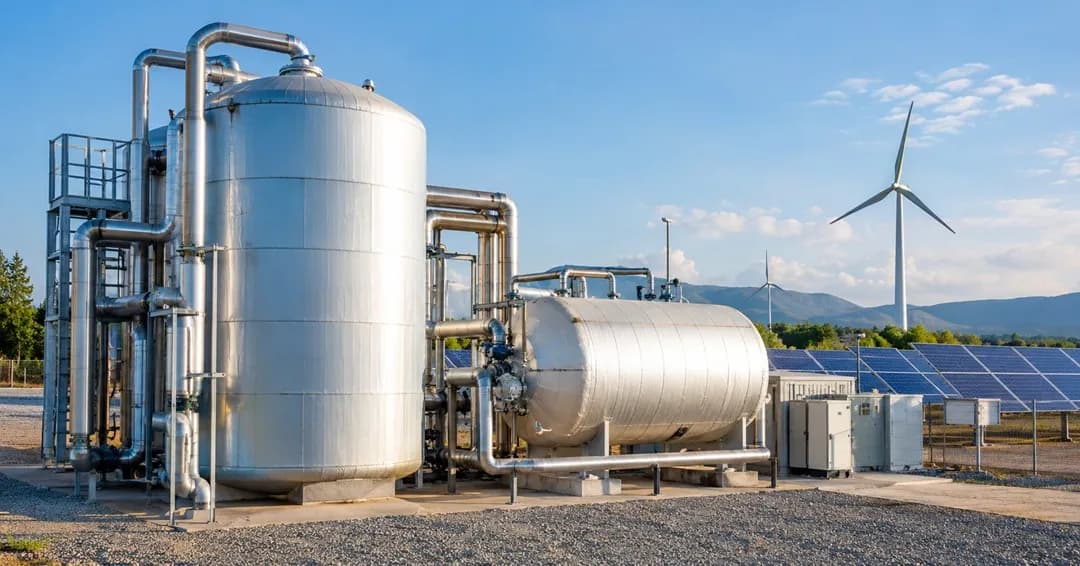
The thermal energy storage market is advancing as renewable energy integration, industrial electrification, and energy cost management drive demand. Innovations in sensible heat, latent heat, and thermochemical storage are expanding applications across industrial heating, cooling, concentrated solar power, and commercial buildings, creating opportunities for technology providers across major regional markets worldwide.
Knowledge Sourcing Intelligence has published its latest analysis of the Thermal Energy Storage Market, examining market growth, technology developments, emerging applications, and regional opportunities through 2032.
The global market is estimated at USD 5.80 billion in 2026 and is projected to reach USD 10.20 billion by 2032, representing a compound annual growth rate (CAGR) of 9.9%. Growing renewable energy deployment, industrial electrification, and demand for flexible energy management solutions are creating opportunities across industrial, commercial, and power generation applications.
Thermal energy storage (TES) stores energy as heat or cold for subsequent use, helping balance supply and demand. Applications range from molten-salt systems in concentrated solar power plants to chilled-water storage in commercial buildings and high-temperature thermal batteries supplying industrial heat and steam.
Key Growth Drivers
1. Renewable Energy Integration
Expanding solar and wind generation is increasing demand for solutions that accommodate variable electricity supply. Thermal storage can convert surplus electricity into heat and release it when required, supporting renewable-powered industrial processes, heating, cooling, and selected power generation applications.
2. Industrial Heat Electrification
Food processing, chemicals, cement, and metals manufacturing require substantial thermal energy. As per production requirements, thermal batteries can store electricity as high-temperature heat and deliver it, offering an alternative to fossil-fuel-fired boilers in suitable applications. Broader adoption depends on process temperatures, integration costs, and electricity prices.
3. Energy Cost and Demand Management
Commercial buildings, district heating networks, and industrial facilities can shift energy consumption away from peak-demand periods using thermal storage. Chilled-water and ice-storage systems support cooling requirements while helping manage electricity costs and peak demand.
4. Concentrated Solar Power Development
Molten-salt storage enables concentrated solar power plants to retain heat for electricity generation after sunlight availability declines. Longer storage durations can improve dispatchability and support renewable-powered electricity systems.
Request a free sample copy or view the report summary: Thermal Energy Storage Market Report
Latest Industry Developments
Commercial deployments demonstrate the expanding role of thermal storage in industrial applications.
September 2026: ENERGYNEST announced a 30 MWh thermal-storage system with 8 MW of electric steam generation for Peter Greven in Germany.
September 2026: Electrified Thermal Solutions agreed with Holcim to deploy its Joule Hive Thermal Battery in a 20-MWh initial industrial heat installation.
August 2026: Toshiba and MGA Thermal applied EtaPRO digital-twin analytics to long-duration thermal storage, combining predictive maintenance capabilities with MGA’s energy-storage technology.
These projects highlight opportunities in industrial steam production, renewable energy integration, and manufacturing decarbonization. Wider adoption will depend on project economics, system integration, and access to suitable energy sources.
Segmentation And Regional Outlook
The report segments the market by storage technology, storage medium, temperature range, application, energy source, and geography.
Technologies include sensible heat, latent heat or phase-change storage, and thermochemical storage. Storage media range from water, ice, and molten salt to concrete, ceramics, refractory materials, recycled minerals, and phase-change materials. Temperature categories extend from below 50°C to above 700°C.
Applications include industrial process heat and steam, concentrated solar power, district heating and cooling, commercial HVAC, data centres and campuses, cold-chain infrastructure, and grid services.
Asia-Pacific represents the largest regional opportunity, supported by China's concentrated solar power development, industrial heat demand, and substantial cooling requirements. India and Southeast Asian markets also offer opportunities through industrial electrification and renewable energy deployment.
Europe and North America present opportunities through industrial decarbonization, established building-cooling applications, and growing interest in commercial thermal batteries. Market adoption will depend on technology performance, project financing, energy prices, and compatibility with existing infrastructure.
Competitive Landscape
Key market participants include Rondo Energy, Kyoto Group, ENERGYNEST, Kraftblock, Antora Energy, BrenX, John Cockerill, Trane, Baltimore Aircoil Company, Carrier, DN Tanks, and Steffes.
Industrial thermal-battery developers are advancing high-temperature storage systems, while established building technology providers address demand through chilled-water tanks, ice-storage systems, and integrated HVAC solutions. Competition varies by storage medium, operating temperature, application, and project scale.
Analyst Perspective
“Thermal energy storage is gaining relevance as industries seek flexible energy systems and lower-carbon heat sources. Continued investment in renewable integration, industrial electrification, and efficient cooling solutions is expected to create opportunities for technology providers across industrial, commercial, and power generation applications.”
About The Report
The Thermal Energy Storage Market report from Knowledge Sourcing Intelligence provides market estimates and forecasts, growth drivers and restraints, technology and application segmentation, regional analysis, competitive intelligence, company profiles, and industry developments.
Garuav Singh
ContributorHave questions?
More Press Releases
X-Ray Inspection Systems Market to Cross USD 1.98 Billion by 2031, Driven by Product Launches from Rigaku, 3DX-RAY, and Eagle
X-ray inspection technology is advancing through higher-resolution 3D imaging, intelligent material identification, and faster inline inspection. Recent launches from Rigaku, 3DX-RAY, and Eagle Product Inspection demonstrate expanding applications across electronics, batteries, food production, security, and manufacturing, supporting more detailed defect detection, quality control, and non-destructive inspection.
How JenaValve’s Trilogy THV System FDA Approval Could Impact the Global Heart Valve Replacement Procedures Market
JenaValve Technology received FDA approval for its Trilogy Transcatheter Heart Valve System to treat symptomatic severe native aortic regurgitation in high-risk surgical patients. The technology uses leaflet-based locator technology for anchoring, expanding transcatheter treatment options beyond aortic stenosis and influencing competition across the heart valve replacement procedures market.
How Meta's Expected Smartwatch Reveal at Connect 2026 Could Impact the Wearable Computing Market, Expected to Reach USD 148.5 Billion by 2031
At Meta Connect 2026, scheduled for September 23–24, Meta is expected to unveil its first commercial smartwatch, reportedly codenamed Project Malibu 2, with health-tracking capabilities and a built-in Meta AI assistant. The expected launch follows Meta's revival of a smartwatch project that was shelved in 2022 amid cost reductions across its Reality Labs hardware division, with the new device reportedly designed to complement Meta's AI glasses ecosystem. The move reinforces the shift toward AI-enabled, ecosystem-connected wearables described in a new report by Knowledge Sourcing Intelligence, which values the global wearable computing market at USD 71.0 billion in 2026, growing to USD 148.5 billion by 2031.