
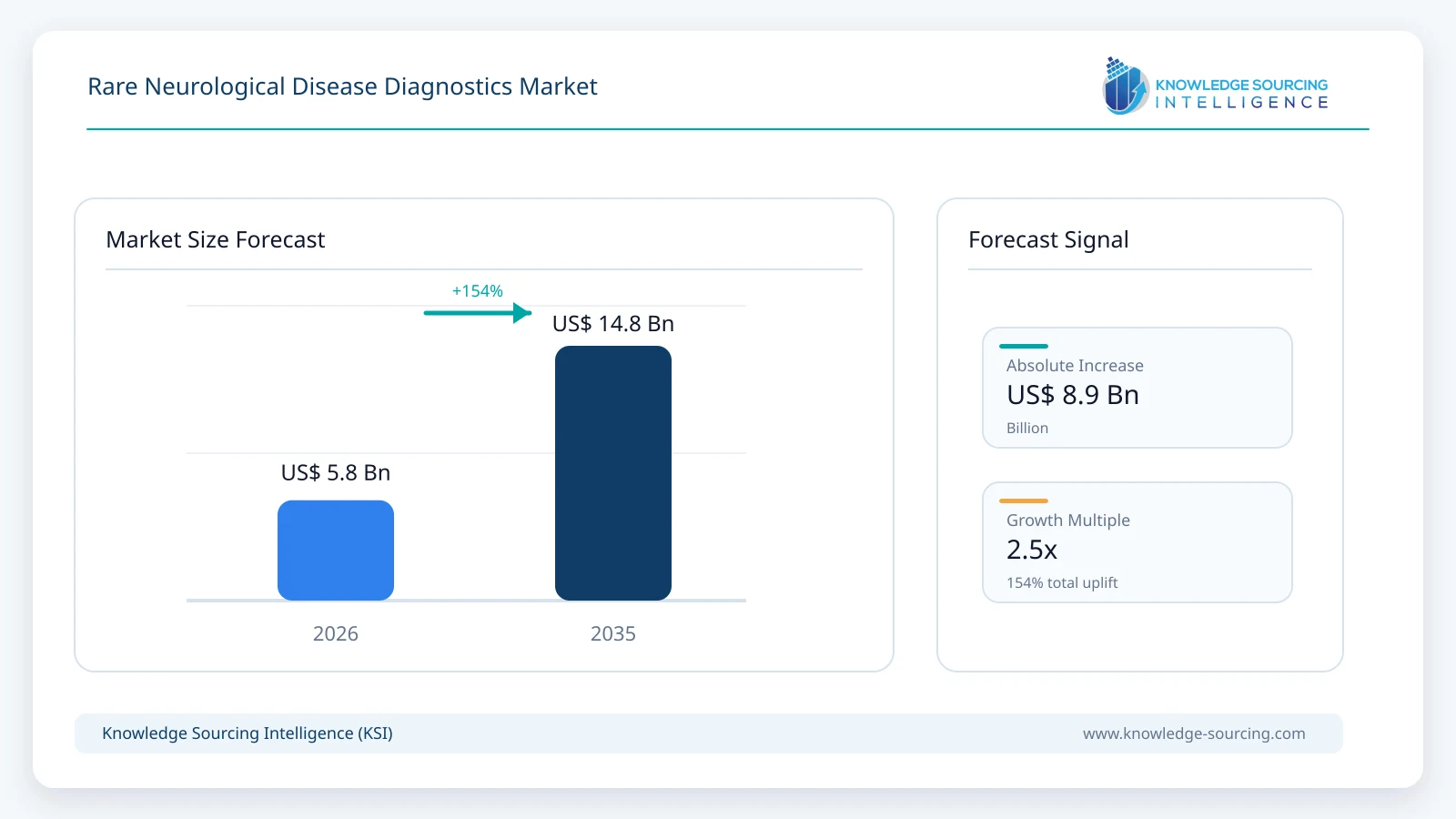
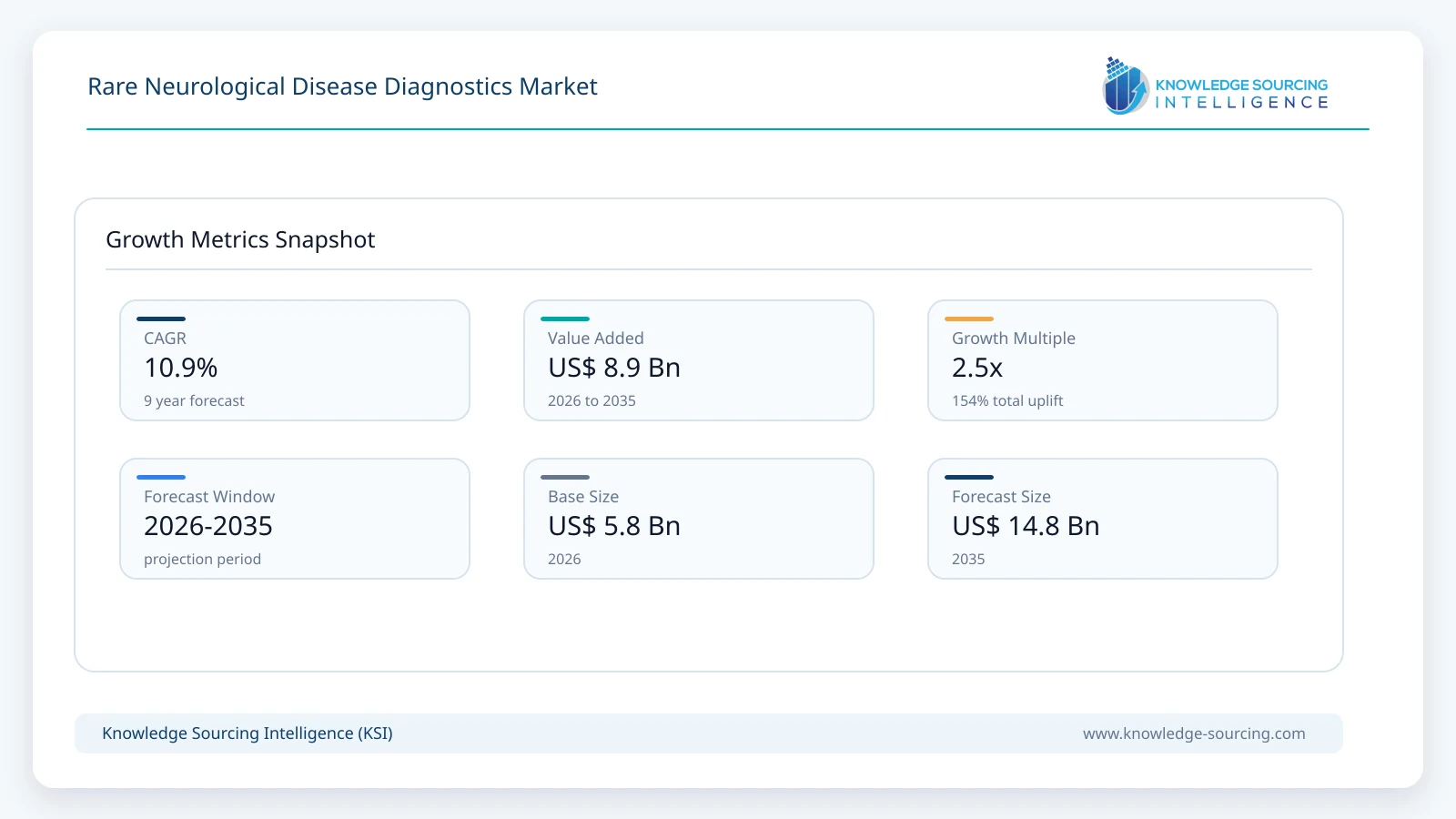
The Rare neurological Disease Diagnostics Market is expected to reach USD 14.75 billion in 2035, growing at a CAGR of 10.9% between 2026 and 2035, from USD 5.81 billion in 2026.
Highlights:
- 1Genomic sequencing is becoming increasingly central to diagnosis, helping uncover disease-causing variants that conventional testing may overlook and supporting more definitive diagnostic pathways.
- 2Artificial intelligence is expanding diagnostic capabilities, integrating clinical phenotypes, medical records, and genetic information to support differential diagnosis of complex rare disorders.
- 3Advanced biomarkers are gaining importance, with multimodal imaging, genetic information, and machine-learning approaches supporting disease characterization, progression monitoring, and therapeutic development.
- 4Earlier diagnosis remains a major clinical priority, as improved genomic and computational approaches can help shorten prolonged diagnostic journeys and facilitate more informed treatment decisions.
Market Overview
| Report Metric | Details |
|---|---|
| Total Market Size in 2026 | USD 5.81 billion |
| Total Market Size in 2035 | USD 14.75 billion |
| Forecast Unit | USD Billion |
| Growth Rate | 10.9% |
| Study Period | 2021 to 2035 |
| Historical Data | 2021 to 2024 |
| Base Year | 2025 |
| Forecast Period | 2026 – 2035 |
| Segmentation | Product Type, Diagnostic Method, Biomarker Type, Sample Type, Disease Type, End User, Geography |
| Companies |
|
Rising emphasis on early diagnosis is increasing the demand for specialized diagnostic tests. Rare neurological disorders frequently have overlapping symptoms, which make clinical diagnosis challenging; healthcare systems are continually focusing on early identification to facilitate timely treatment and enhance patient management. The ED3N national data platform, which the CDC formally announced in September 2026, was planned to aid complex screening interpretation by newborn-screening programs while helping them better pinpoint infants at high risk for rare disease incidence.
Population-level screening programs have moved to a greater focus on conditions such as spinal muscular atrophy (SMA) and Krabbe disease. CDC’s laboratory programs have expanded quality-assurance capabilities for rare-disease screening, with materials and methods supporting SMA and lysosomal-storage-disorder testing.
The increase in confirmatory and disease-specific diagnostics is being driven by the therapeutic pipeline. In the FDA's database of rare-disease approvals, there are numerous neurological and neuromuscular products for cerebrotendinous xanthomatosis, thymidine kinase 2 deficiency, Alexander disease, spinal muscular atrophy, and neurologic manifestations of Hunter syndrome that are awaiting approval through 2025-2026. As disease-specific therapies continue to evolve, it increases the need for accurate identification of eligible patients.
The significant investment is being directed to AI-related diagnostic infrastructure. In August 2026, the U.S. government’s ARPA-H unveiled its Rare Disease AI for Precision Integrated Diagnostics (RAPID), including up to $98.5 million over 4.5 years. This initiative seeks to leverage advances in AI and data resources to enable earlier and more accurate diagnosis and characterization of rare diseases, while accelerating the identification and development of novel therapeutic approaches.
Recent diagnostic launches are extending testing into neurological diseases that are difficult to diagnose clinically. In Sep 2026, Amprion launched SAAmplify-?SYN Plus, a CSF test that identifies an alpha-synuclein profile found in multiple system atrophy (MSA), a rare and highly debilitating neurodegenerative disease that shares clinical features with Parkinson's Disease. The launch demonstrates the pathology-specific molecular assays moving to conditions that can be challenging to differentiate clinically.
The development of rapid diagnostic tests is being integrated into critical-care pathways, as seen with GeneDx's introduction of ultraRapid Whole Genome sequencing in February 2025, an approach designed to arrive at actionable genomic results for rapidly deteriorating neonatal and pediatric critical patients in 48 hours. This is particularly important for rare neurological and genetic disorders in early life, where time to diagnosis can impact clinical management.
Molecular testing, biomarker assays, newborn screening, and AI-supported interpretation, together with digital measures and disease-specific tests, are expanding the diagnostic toolkit for rare neurological disorders as new therapies create additional clinical value in earlier and more accurate patient identification.
Market Drivers
Increasing Adoption of Genomic Diagnostics
With the advent of rapid whole-genome sequencing (WGS), advanced genomic interpretation, and improved performance of whole-exome sequencing (WES), genomic diagnostics are being increasingly adopted in rare neurological diseases. This is aided by their ability to detect a broader range of disease-causing variants that may remain undetected by traditional diagnostic modalities, thus facilitating earlier and more accurate diagnosis.
Expansion of genomic testing through the NHS continues, with 40,968 genomes across 38,728 participants reported in the August 2025 release from the NHS Genomic Medicine Service, of which 36,500 are from rare-disease participants, representing genome sequencing being incorporated into clinical diagnostics.
Genomic testing is filling the diagnostic gap, as more than 50% of rare diseases go undiagnosed after genomic investigation, as per the 2025 study. This results in a greater need for broader sequencing techniques to identify additional variants that may remain undetected by standardised WES and short-read testing.
WGS enhances detection of challenging variant types. An early 2025 study found that among patients with a high clinical suspicion of a rare disease, WGS improved diagnostic yield by identifying technically challenging variants that may escape detection with WES and other traditional testing approaches.
In November 2025, Genomics England announced that analysis of a total of 13,700 parents and children showed that moderate sensitivity analyses identified 135 participants with complex structural genetic changes associated with rare disorders. These variants are frequently missed by standard clinical tests.
Genomic data methods are advancing with the rise in AI boosting interpretation. For instance, in May 2025, Illumina launched PromoterAI, designed to use AI to find pathogenic variants in non-coding promoter regions. The company posited that promoter variants may account for as much as 6% of genetic causes of rare diseases.
Increasing Availability of Targeted Neurological Therapies: Therapeutic innovation directly influences diagnostic demand because disease-modifying treatments require accurate disease classification before clinical intervention. Healthcare providers are expanding molecular testing as gene therapies, antisense oligonucleotide therapies, enzyme replacement therapies, and precision medicines become available across multiple rare neurological disorders. Delayed diagnosis reduces opportunities to preserve neurological function before irreversible degeneration occurs. Diagnostic laboratories are strengthening comprehensive testing capabilities that support earlier therapeutic decision-making. Expanding treatment availability therefore continues driving sustained market growth.
Growing Integration of Multimodal Diagnostic Workflows: Accurate diagnosis increasingly depends on integrating multiple diagnostic technologies because neurological diseases often demonstrate overlapping clinical and genetic characteristics. Hospitals are combining neuroimaging, electrophysiological assessment, biomarker analysis, and genomic testing within standardized diagnostic algorithms that improve clinical confidence. Independent testing approaches increase diagnostic complexity and frequently require repeated investigations. Diagnostic developers are introducing interoperable platforms and digital laboratory solutions that streamline multidisciplinary evaluation. These innovations continue to support broader adoption of comprehensive neurological diagnostics.
Rising Investment in Rare Disease Research: Research activity strengthens diagnostic demand because scientific advances continue to identify novel disease-associated genes and clinically relevant biomarkers. Academic institutions, biotechnology companies, and healthcare organizations are expanding collaborative research programs while increasing clinical validation of innovative diagnostic technologies. Limited understanding of disease mechanisms historically restricted diagnostic accuracy across numerous neurological disorders. Researchers are integrating genomics, transcriptomics, proteomics, and artificial intelligence to improve disease characterization and biomarker discovery. Continued scientific advancement therefore reinforces long-term demand for sophisticated diagnostic solutions.
Market Restraints
High costs associated with comprehensive genomic sequencing and advanced neurological testing continue limiting accessibility across several healthcare systems.
Limited awareness of rare neurological disorders among primary care providers contributes to delayed referrals and prolonged diagnostic pathways.
Variability in reimbursement policies for advanced molecular diagnostics continues to restrict adoption across different national healthcare markets.
Market Opportunities
Expansion of Precision Neurology Programs: Precision neurology increasingly depends on accurate genomic characterization because therapeutic strategies are becoming more disease- and mutation-specific. Healthcare systems are expanding specialized neurological centers while integrating genomic diagnostics into routine clinical practice. Conventional diagnostic algorithms often fail to capture genetic complexity across rare neurological diseases. Diagnostic manufacturers are developing comprehensive sequencing panels and decision-support tools that improve personalized patient management. This evolution creates significant commercial opportunities across neurological diagnostics.
Biomarker Discovery for Early Disease Detection: Reliable biomarkers improve neurological diagnosis because measurable biological changes frequently occur before irreversible clinical symptoms become apparent. Research organizations are identifying protein, metabolomic, and genetic biomarkers while validating their clinical utility across multiple neurological disorders. Conventional neurological assessment alone may not adequately support early intervention. Diagnostic developers are expanding biomarker-based testing platforms that complement molecular diagnostics and disease monitoring. Continued biomarker innovation strengthens future market opportunities.
Artificial Intelligence in Neurological Diagnostics: Genomic and neuroimaging datasets continue increasing in complexity because comprehensive neurological evaluation increasingly relies on multiple diagnostic technologies. Diagnostic laboratories are adopting artificial intelligence solutions as rising testing volumes increase interpretation workload. Manual analysis extends reporting timelines while introducing variability in clinical interpretation. Technology developers are integrating machine learning algorithms into genomic and imaging workflows that improve diagnostic consistency and laboratory productivity. Artificial intelligence therefore represents an important long-term growth opportunity.
Expansion of Rare Disease Awareness Initiatives: Clinical suspicion remains essential because many rare neurological disorders initially resemble common neurological conditions. Patient advocacy organizations are strengthening educational initiatives while governments are supporting rare disease awareness programs that encourage earlier diagnosis. Limited recognition frequently delays specialist referral despite the availability of advanced diagnostic technologies. Healthcare providers are expanding multidisciplinary neurological care pathways that promote earlier genetic evaluation. Improved awareness continues supporting sustained demand for comprehensive neurological diagnostics.
Supply Chain Analysis
The rare neurological disease diagnostics supply chain begins with suppliers of sequencing reagents, molecular biology enzymes, antibodies, imaging components, electrophysiology equipment, laboratory plastics, diagnostic-grade chemicals, software infrastructure, and bioinformatics databases. These inputs enable manufacturers to develop genetic testing kits, next-generation sequencing (NGS) platforms, molecular diagnostic assays, biomarker detection systems, neuroimaging solutions, electrophysiological testing equipment, and clinical interpretation software. Finished products are distributed through direct commercial channels, regional distributors, and specialized laboratory suppliers before reaching hospitals, neurology centers, academic medical institutions, reference laboratories, and genomic testing facilities.
Diagnostic demand is increasingly shifting toward integrated neurological testing because clinicians require molecular, functional, and imaging evidence to accurately differentiate rare neurological disorders with overlapping clinical manifestations. Conventional sequential testing often extends diagnostic timelines and increases healthcare costs when multiple specialist evaluations become necessary. Diagnostic manufacturers are expanding end-to-end portfolios that combine sequencing platforms, reagents, bioinformatics software, and laboratory automation into unified diagnostic workflows. This integration is improving laboratory efficiency while supporting standardized clinical decision-making across specialized neurology centers.
Laboratories are increasingly adopting automation and digital analytics because expanding genomic medicine programs and growing physician awareness are increasing testing volumes. Manual interpretation limits throughput while creating variability in complex genetic analysis. Technology developers are introducing artificial intelligence-assisted variant interpretation, cloud-enabled bioinformatics platforms, and automated sample processing systems that improve analytical consistency and reduce turnaround time. These developments continue strengthening supply chains capable of supporting the increasing demand for precision neurological diagnostics.
Government Regulations
Region | Regulatory Authority | Key Requirement |
United States | U.S. Food and Drug Administration (FDA) | Regulation of in vitro diagnostic devices, analytical validation, quality system compliance, and clinical performance requirements |
European Union | European Commission / In Vitro Diagnostic Regulation (IVDR) | Compliance with IVDR requirements for safety, performance evaluation, clinical evidence, and post-market surveillance |
Japan | Pharmaceuticals and Medical Devices Agency (PMDA) | Clinical validation, manufacturing quality compliance, and regulatory approval for diagnostic products |
China | National Medical Products Administration (NMPA) | Product registration, quality management compliance, and clinical evaluation requirements |
Major Segment Analysis
Amyotrophic Lateral Sclerosis (ALS)
By disease type, the rare neurological disease diagnostics market is segmented into huntington’s disease, amyotrophic lateral sclerosis (ALS), spinal muscular atrophy (SMA), Friedreich’s ataxia, Duchenne muscular dystrophy (DMD), Rett syndrome, and others.
Huntington’s disease and amyotrophic lateral sclerosis (ALS) are expected to account for a considerable market share due to the large scale of disability, illness, and premature deaths caused by such neurological conditions. The amyotrophic lateral sclerosis disease segment is projected to witness steady growth fueled by progressive clinical trials and medical research to develop new treatment & diagnostics options.
Although rare, amyotrophic lateral sclerosis (ALS) has a profound effect on families due to its high health risk and annual economic cost burden, which exceeds USD 250,000 in global economies.
The lack of infrastructure for treatment & diagnostics further escalates the technological requirement in middle-income nations. Affecting nearly 400,000 people globally, research studies indicates a progressive trend in global ALS prevalence rate which is expected to drive demand for more advanced diagnostics options
Hence, various research collaborations and clinical studies, such as the recent five-year clinical study launched by researchers at the University of Miami Miller School of Medicine to predict ALS symptoms before it begins, have supported new diagnostics developments.
A growing geriatric population has also increased the demand for early detection options since ALS symptoms occur between 40 and 70 years of age. According to the United Nations Population Fund, in 2025, people aged 65 and above accounted for 10% of the global population, with projections reaching 16.5% by 2050 and 20.7% by 2074.
National policies for ALS are being implemented in economies to bolster the diagnostics and treatment landscape. Moreover, therapy-linked collaborations between major drug manufacturers, followed by subsidiary establishment to support early ALS diagnostics, have amplified the market outlook.
By Product Type
Reagents and kits represent a major demand segment because molecular diagnostics, sequencing workflows, and biomarker analysis require continuous reagent consumption across routine neurological testing. Instruments remain essential because sequencing systems, neuroimaging platforms, electrophysiological equipment, and laboratory automation technologies provide the analytical foundation for comprehensive neurological diagnosis. Diagnostic consumables continue supporting expanding testing volumes because precision neurology programs are increasing laboratory utilization. Software and services are becoming increasingly important because genomic interpretation, imaging analysis, and laboratory information management require advanced digital infrastructure. Demand therefore increasingly favors integrated diagnostic ecosystems that combine hardware, consumables, and clinical analytics within unified neurological workflows.
By Diagnostic Method
Genetic testing represents the primary diagnostic approach because a large proportion of rare neurological disorders have identifiable genetic causes requiring molecular confirmation. Next-generation sequencing is expanding rapidly because comprehensive genomic analysis improves diagnostic yield while reducing the need for sequential testing. Molecular diagnostics remain essential because they validate disease-associated variants and support precision medicine strategies. Biomarker-based testing is gaining importance because novel protein and metabolomic markers are improving early disease detection and longitudinal monitoring. Neuroimaging diagnostics and electrophysiological testing continue complementing molecular evaluation because functional assessment remains necessary for accurate disease characterization and clinical management.
Geographical Outlook
North America: the US
The United States rare neurological disease diagnostics market is projected to show significant growth fueled by strong clinical research investment.
Strong technological infrastructure and heavy clinical funding have supported advancement in disease detection in the United States, which has improved the overall market landscape.
Similarly, private-public collaboration announced by the Foundation for the National Institutes of Health (FNIH) supporting earlier ALS diagnosis has supported new market development. According to the National ALS Registry, in 2026, nearly 34,720 patients will be living with ALS, with projections growing up to 36,000 by 2030.
New clinical concepts being explored in major health institutes such as Johns Hopkins University are demonstrating approaches to advancing brain imaging and analyzing neurological disease progression. These initiatives have expanded the market.
Research studies conducted by the American Academy of Neurology and the Institute for Health Metrics and Evaluation indicate that nearly 54% of the US population suffers from health conditions impacting the nervous system. Ongoing efforts are focused on mitigating the impact and progression of such neurological conditions.
Global drug manufacturers are investing in the US market to launch their novel treatment options for rare neurological conditions. For instance, in May 2026, Sanofi’s “Venglustat” was accepted for priority review by the US FDA for treatment & diagnosis of type 3 Gaucher disease (GD3).
Europe
Europe maintains a strong competitive position because national healthcare systems prioritize standardized rare disease management and coordinated genomic medicine initiatives. Demand is expanding as specialized neurological referral centers are increasing adoption of comprehensive molecular diagnostics to support earlier identification of inherited neurological disorders. Variation in national reimbursement policies and newborn screening strategies continues creating differences in diagnostic accessibility because healthcare systems remain independently governed. Clinical laboratories are strengthening sequencing capabilities while hospitals are integrating multimodal diagnostic workflows that combine genomic testing, neuroimaging, and electrophysiological assessment. The implementation of the European Union In Vitro Diagnostic Regulation (IVDR) is increasing regulatory expectations for diagnostic manufacturers while improving confidence in analytical quality and clinical performance. European Reference Networks (ERNs) continue facilitating cross-border collaboration because highly specialized expertise remains concentrated within selected neurological centers. Academic research organizations and biotechnology companies are expanding partnerships that accelerate biomarker validation and translational neurological research. These developments continue strengthening Europe's demand for advanced diagnostic technologies capable of supporting precision neurology and personalized patient care.
Asia Pacific
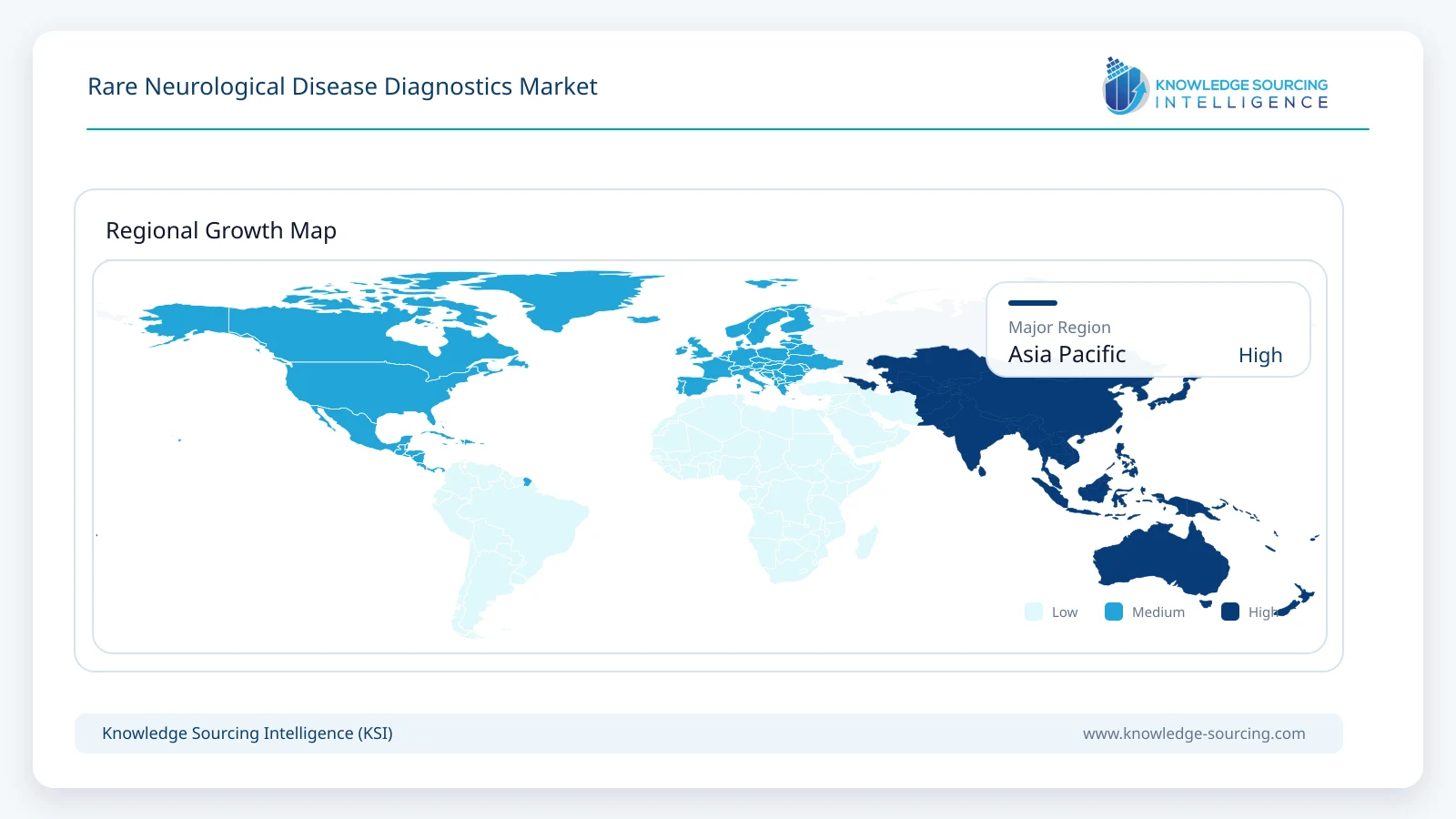
Asia Pacific demonstrates substantial growth potential because healthcare modernization, genomic medicine initiatives, and neurological research investments continue expanding across major economies. Demand is increasing as governments are strengthening precision healthcare strategies while investing in sequencing infrastructure and advanced diagnostic laboratories. Diagnostic access remains uneven because reimbursement systems, specialist availability, and laboratory capacity continue developing at different rates across the region. Hospitals are expanding molecular diagnostic services while academic institutions are strengthening neurological genetics research to improve recognition of rare inherited disorders. Physician awareness programs are increasing referrals because neurological diseases that previously remained undiagnosed are now being evaluated through comprehensive genomic testing. International diagnostic manufacturers are expanding regional partnerships while domestic biotechnology companies continue investing in sequencing technologies and laboratory automation. Countries including Japan, China, South Korea, Australia, and Singapore are strengthening genomic medicine programs that support rare disease diagnosis through coordinated research initiatives and improved clinical infrastructure. These developments continue positioning Asia Pacific as one of the fastest-growing regions for advanced neurological diagnostics.
Rest of the World
The Rest of the World, comprising Latin America, the Middle East, and Africa, represents an emerging market because awareness of rare neurological diseases continues improving despite persistent infrastructure limitations. Demand is gradually increasing as healthcare providers recognize the long-term clinical and economic burden associated with delayed diagnosis of inherited neurological disorders. Limited availability of specialized molecular diagnostic laboratories continues restricting local testing because many healthcare systems depend on international reference laboratories for confirmatory genetic analysis. Governments, international health organizations, and academic institutions are supporting capacity-building initiatives while strengthening education programs focused on rare neurological diseases. Newborn screening expansion remains inconsistent because healthcare priorities and funding differ considerably among countries. Diagnostic manufacturers are collaborating with regional healthcare providers to improve access to sequencing technologies, laboratory automation, and bioinformatics platforms that strengthen diagnostic capability. Continued investment in genomic medicine, professional training, and digital health infrastructure is expected to improve access to precision diagnostics while supporting long-term growth of the rare neurological disease diagnostics market across developing healthcare systems.
Regulatory Landscape
Regulatory oversight remains essential to the rare neurological disease diagnostics market because diagnostic results directly influence therapeutic selection, genetic counseling, clinical trial eligibility, and long-term patient management. Regulatory authorities require robust evidence of analytical validity, clinical performance, manufacturing quality, and post-market surveillance because inaccurate genetic interpretation may lead to delayed diagnosis or inappropriate treatment decisions. Demand is increasingly shifting toward next-generation sequencing, biomarker-based diagnostics, and software-enabled clinical interpretation, requiring manufacturers to generate comprehensive clinical validation data before commercialization. Diagnostic developers are strengthening quality management systems while expanding multicenter validation studies that demonstrate reproducibility across diverse neurological disease populations. These regulatory requirements increase product development complexity but strengthen confidence in advanced diagnostic technologies used for rare neurological disorders.
The regulatory environment is evolving because precision neurology increasingly depends on integrated genomic testing, artificial intelligence-assisted bioinformatics, and digital clinical decision-support systems. Regulatory agencies are refining guidance for software as a medical device (SaMD), genomic interpretation platforms, and complex in vitro diagnostic technologies to address rapidly advancing diagnostic capabilities. Clinical laboratories are adapting operational procedures while manufacturers are expanding post-market monitoring programs to maintain compliance with changing regulatory expectations. This transition is improving standardization across diagnostic laboratories while encouraging broader adoption of validated molecular diagnostic platforms.
Global regulatory harmonization remains limited because approval pathways, reimbursement policies, laboratory accreditation standards, and genetic testing regulations differ substantially across healthcare systems. Diagnostic companies continue designing globally compliant technologies capable of satisfying multiple regulatory jurisdictions while healthcare providers increasingly seek standardized testing protocols that improve diagnostic consistency across neurological referral centers. These developments continue supporting sustained demand for high-quality diagnostic solutions capable of enabling precision medicine for rare neurological diseases.
Pipeline Analysis
The rare neurological disease diagnostics pipeline remains highly active because expanding therapeutic innovation is increasing the importance of early molecular diagnosis and precise disease characterization. Diagnostic developers are focusing on technologies that improve identification of pathogenic variants before irreversible neurological degeneration occurs, leading investment toward next-generation sequencing, long-read sequencing, RNA sequencing, digital biomarkers, and multiplex molecular diagnostic platforms. Conventional symptom-driven diagnostic pathways frequently delay therapeutic intervention, encouraging developers to integrate genomic testing, neuroimaging, electrophysiology, and biomarker analysis into comprehensive diagnostic algorithms. This evolution continues improving diagnostic precision while reducing time to diagnosis for patients with genetically heterogeneous neurological disorders.
Research activity is increasingly concentrating on biomarker discovery because neurological disease progression often begins long before measurable clinical symptoms appear. Academic institutions, biotechnology companies, and pharmaceutical organizations are evaluating protein biomarkers, neurofilament light chain (NfL), metabolomic signatures, transcriptomic profiles, and cerebrospinal fluid biomarkers that may improve early diagnosis and longitudinal disease monitoring across multiple rare neurological disorders. Clinical laboratories are expanding validation studies while diagnostic developers are incorporating biomarker analysis into integrated precision neurology platforms. These developments continue strengthening personalized disease management and supporting earlier therapeutic intervention.
Artificial intelligence and advanced bioinformatics are becoming central components of future diagnostic pipelines because genomic sequencing, neuroimaging, and multimodal clinical datasets continue increasing in complexity. Software developers are integrating machine learning algorithms into variant interpretation, imaging analysis, and clinical decision-support systems to improve analytical consistency and reduce reporting timelines. Diagnostic companies are simultaneously expanding cloud-based genomic platforms that connect sequencing, laboratory analytics, and neurological decision support within unified digital ecosystems. As precision neurology programs continue expanding globally, future demand is expected to concentrate on integrated diagnostic solutions capable of delivering earlier diagnosis, standardized interpretation, scalable laboratory operations, and improved clinical outcomes for patients with rare neurological diseases.
Competitive Landscape
Revvity, Inc.
Revvity, Inc. is a global life sciences and diagnostics company that provides technologies supporting genetic screening, molecular diagnostics, laboratory automation, and precision medicine. The company has established a strong presence within inherited disease diagnostics through its newborn screening solutions, genomic technologies, immunoassays, and informatics platforms. Its portfolio supports hospitals, public health laboratories, research institutions, and reference laboratories that require reliable diagnostic tools for early disease identification. The company's integrated diagnostic ecosystem combines laboratory instruments, reagents, software, and workflow automation, enabling efficient processing of complex clinical samples while supporting high-throughput testing environments.
Within the rare neurological disease diagnostics market, Revvity strengthens its position through comprehensive genetic testing technologies that facilitate early detection of inherited neurological disorders. The company continues expanding molecular diagnostic capabilities by integrating sequencing technologies, multiplex testing solutions, and advanced laboratory automation designed to improve diagnostic accuracy and operational efficiency. Its newborn screening expertise provides additional advantages because several inherited neurological conditions benefit from diagnosis before irreversible neurological damage occurs. Revvity continues collaborating with healthcare organizations and research institutions to improve diagnostic accessibility while supporting precision medicine initiatives. Continued investment in genomics, digital laboratory solutions, and translational research positions the company to benefit from increasing adoption of personalized neurological diagnostics.
F. Hoffmann-La Roche Ltd.
F. Hoffmann-La Roche Ltd. is one of the world's leading healthcare companies with significant operations spanning pharmaceuticals and diagnostics. Through Roche Diagnostics, the company delivers molecular diagnostics, sequencing technologies, immunodiagnostics, tissue diagnostics, and digital healthcare solutions supporting precision medicine worldwide. Roche's extensive global commercial network, clinical research capabilities, and integrated healthcare strategy enable the company to serve hospitals, specialized laboratories, and academic medical centers across numerous disease areas. Continuous investment in diagnostic innovation strengthens its ability to support personalized healthcare through advanced laboratory technologies and clinically validated testing solutions.
The company maintains a strong position within rare neurological disease diagnostics by expanding molecular testing platforms, biomarker research, and genomic technologies that improve disease characterization and therapeutic decision-making. Roche continues integrating digital pathology, molecular diagnostics, and bioinformatics to strengthen precision neurology workflows while supporting comprehensive genetic analysis. Strategic collaborations with pharmaceutical developers and research organizations further reinforce the company's precision medicine strategy because companion diagnostics increasingly support targeted neurological therapies. Ongoing investments in sequencing technologies, laboratory automation, and data-driven clinical interpretation continue enhancing Roche's competitive position as demand grows for earlier diagnosis and individualized neurological care.
Thermo Fisher Scientific Inc.
Thermo Fisher Scientific Inc. is a leading global provider of analytical instruments, life science technologies, specialty diagnostics, laboratory consumables, and laboratory services. The company serves pharmaceutical companies, biotechnology firms, clinical laboratories, academic institutions, and healthcare organizations through an extensive portfolio covering molecular biology, genomics, proteomics, clinical diagnostics, and laboratory automation. Thermo Fisher's broad technological capabilities enable comprehensive support for genomic medicine programs requiring scalable sequencing infrastructure, advanced reagents, analytical software, and workflow optimization. Its worldwide manufacturing and distribution network strengthens its ability to support expanding molecular diagnostic demand across developed and emerging healthcare markets.
Within the rare neurological disease diagnostics market, Thermo Fisher leverages its sequencing platforms, genetic analysis technologies, PCR systems, and bioinformatics capabilities to improve identification of inherited neurological disorders. The company continues strengthening precision medicine solutions through integrated laboratory workflows that combine sample preparation, sequencing, variant analysis, and clinical reporting. Investments in high-throughput genomic technologies enable laboratories to manage increasing testing volumes while maintaining analytical consistency and diagnostic accuracy. Thermo Fisher also collaborates with healthcare providers, research institutions, and pharmaceutical companies to advance biomarker discovery and translational neurological research. Continued innovation across molecular diagnostics, laboratory automation, and digital analytics supports the company's long-term competitive position within precision neurology.
QIAGEN N.V.
QIAGEN N.V. is a global provider of sample preparation technologies, molecular testing solutions, bioinformatics software, and diagnostic assays serving clinical laboratories, research institutions, and pharmaceutical companies. The company specializes in technologies that enable accurate extraction, amplification, detection, and interpretation of genetic material across multiple clinical applications. QIAGEN's portfolio includes automated laboratory instruments, molecular reagents, sequencing workflow solutions, companion diagnostics, and digital bioinformatics platforms designed to improve laboratory productivity and diagnostic precision. Its strong expertise in molecular biology has established the company as a significant contributor to precision medicine and genomic diagnostics.
In the rare neurological disease diagnostics market, QIAGEN strengthens its competitive position by providing integrated molecular workflows supporting genetic testing and advanced genomic analysis. The company continues investing in automation technologies, multiplex molecular assays, and bioinformatics solutions that improve interpretation of complex neurological sequencing data. Increasing adoption of precision medicine is expanding demand for standardized laboratory workflows that combine efficient sample processing with reliable clinical reporting. QIAGEN collaborates with healthcare organizations and pharmaceutical developers to strengthen companion diagnostics and personalized treatment strategies for genetically defined neurological disorders. Continued expansion of digital genomics, laboratory automation, and precision diagnostic capabilities positions the company for sustained growth as comprehensive molecular testing becomes increasingly central to rare neurological disease diagnosis.
Key Developments
September 2026: Amprion launched SAAmplify-?SYN Plus, a commercial cerebrospinal-fluid test designed to detect an alpha-synuclein profile associated with multiple system atrophy and support diagnostic differentiation.
September 2026: Helix launched Whole Exome+ Sequencing, combining exome, mitochondrial, and chromosomal analysis in one diagnostic order for patients with unexplained neurological conditions and rare genetic diseases for clinical use.
September 2026: GeneDx and Beren Therapeutics: The companies launched NPC GenomeComplete, providing sponsored genome sequencing and targeted testing for eligible pediatric patients suspected of Niemann-Pick disease type C, a rare neurodegenerative disorder.
March 2026: Natera commercially launched Zenith genomics, a whole-genome sequencing assay designed to improve detection of rare diseases, including difficult-to-detect variants and conditions requiring comprehensive genomic analysis.
Future Market Outlook
The rare neurological disease diagnostics market is expected to witness sustained growth through 2031 as precision medicine increasingly shifts neurological care toward earlier molecular diagnosis and personalized treatment strategies. Expanding availability of gene therapies, antisense therapies, and mutation-specific treatments will continue increasing the importance of comprehensive genetic testing because accurate diagnosis is becoming a prerequisite for therapeutic decision-making. Healthcare providers are expected to strengthen multidisciplinary diagnostic pathways by integrating genomic sequencing, biomarker analysis, neuroimaging, electrophysiological testing, and artificial intelligence-supported clinical interpretation into standardized neurological workflows.
Diagnostic manufacturers are likely to prioritize laboratory automation, cloud-based bioinformatics, and integrated software platforms that improve testing efficiency while supporting growing sequencing volumes. Long-read sequencing, multi-omics technologies, and digital biomarkers are expected to enhance diagnostic precision across clinically heterogeneous neurological disorders. Emerging healthcare markets are anticipated to invest further in genomic infrastructure and specialized neurology centers, improving access to advanced diagnostic technologies. Strategic collaborations among diagnostic companies, pharmaceutical developers, research institutions, and patient advocacy organizations will remain essential for accelerating biomarker validation and expanding precision neurology worldwide.
Market Segmentation
By Product Type
Instruments
Reagents & Kits
Software & Services
Diagnostic Consumables
By Diagnostic Method
Genetic Testing
Molecular Diagnostics
Biomarker-Based Testing
Neuroimaging Diagnostics
Electrophysiological Testing
Others
By Biomarker Type
Genetic Biomarkers
Fluid Biomarkers
Neuroimaging Biomarkers
Others
By Sample Type
Blood
Plasma & Serum
Cerebrospinal Fluid (CSF)
Others
By Disease Type
Huntington's Disease
Amyotrophic Lateral Sclerosis (ALS)
Spinal Muscular Atrophy (SMA)
Friedreich's Ataxia
Duchenne Muscular Dystrophy (DMD)
Rett Syndrome
Other Rare Neurological Diseases
By End User
Hospitals & Clinics
Diagnostic Laboratories
Academic & Research Institutes
Others
By Geography
North America
United States
Canada
Europe
Germany
United Kingdom
France
Italy
Spain
Netherlands
Switzerland
Asia-Pacific
China
Japan
India
Australia
South Korea
South America
Brazil
Middle East & Africa
Table of Contents
1. EXECUTIVE SUMMARY
1.1. Market Snapshot
1.2. Key Findings
1.3. Analyst Insights
1.4. Strategic Recommendations
2. RARE NEUROLOGICAL DISEASE DIAGNOSTICS MARKET OVERVIEW, SIZE & FORECAST
2.1. Market Definition & Scope
2.2. Overview of Rare Neurological Diseases
2.3. Disease Classification Analysis
2.4. Epidemiology and Disease Burden Analysis
2.5. Diagnostic Pathway Analysis
2.6. Rare Disease Awareness and Screening Trends
2.7. Genetic Testing Adoption Analysis
2.8. Biomarker Development Analysis
2.9. Precision Neurology Landscape
2.10. Historical Market Size Analysis (2021–2025)
2.11. Market Forecast Analysis (2026–2035)
3. MARKET DYNAMICS
3.1. Market Drivers
3.2. Market Restraints
3.3. Market Opportunities
3.4. Market Challenges
4. INDUSTRY LANDSCAPE
4.1. Industry Value Chain Analysis
4.2. Pricing Analysis
4.3. Reimbursement Landscape
5. INNOVATION LANDSCAPE
5.1. Emerging Diagnostic Technologies
5.2. Product Innovation Analysis
5.3. Clinical Trial Analysis
5.4. Pipeline Analysis
5.5. Technology Roadmap
5.6. Artificial Intelligence in Neurological Diagnostics
5.7. Multi-Omics and Biomarker Innovation
5.8. Digital Neurology and Decision Support Systems
6. REGULATORY LANDSCAPE
6.1. Regulatory Framework
6.2. Approval Pathways
6.3. Compliance Requirements
7. RARE NEUROLOGICAL DISEASE DIAGNOSTICS MARKET LANDSCAPE ANALYSIS (2026–2035)
7.1. Analysis by Product Type
7.2. Analysis by Diagnostic Method
7.3. Analysis by Biomarker Type
7.4. Analysis by Sample Type
7.5. Analysis by Disease Type
7.6. Analysis by End User
8. RARE NEUROLOGICAL DISEASE DIAGNOSTICS MARKET SEGMENT ANALYSIS (2026–2035)
8.1. By Product Type
8.1.1. Introduction
8.1.2. Instruments
8.1.3. Reagents & Kits
8.1.4. Software & Services
8.1.5. Diagnostic Consumables
8.2. By Diagnostic Method
8.2.1. Introduction
8.2.2. Genetic Testing
8.2.3. Molecular Diagnostics
8.2.4. Biomarker-Based Testing
8.2.5. Neuroimaging Diagnostics
8.2.6. Electrophysiological Testing
8.2.7. Others
8.3. By Biomarker Type
8.3.1. Introduction
8.3.2. Genetic Biomarkers
8.3.3. Fluid Biomarkers
8.3.4. Neuroimaging Biomarkers
8.3.5. Others
8.4. By Sample Type
8.4.1. Introduction
8.4.2. Blood
8.4.3. Plasma & Serum
8.4.4. Cerebrospinal Fluid (CSF)
8.4.5. Others
8.5. By Disease Type
8.5.1. Introduction
8.5.2. Huntington's Disease
8.5.3. Amyotrophic Lateral Sclerosis (ALS)
8.5.4. Spinal Muscular Atrophy (SMA)
8.5.5. Friedreich's Ataxia
8.5.6. Duchenne Muscular Dystrophy (DMD)
8.5.7. Rett Syndrome
8.5.8. Other Rare Neurological Diseases
8.6. By End User
8.6.1. Introduction
8.6.2. Hospitals & Clinics
8.6.3. Diagnostic Laboratories
8.6.4. Academic & Research Institutes
8.6.5. Others
9. RARE NEUROLOGICAL DISEASE DIAGNOSTICS MARKET GEOGRAPHICAL ANALYSIS (2026–2035)
9.1. Introduction
9.2. North America
9.3. Europe
9.4. Asia-Pacific
9.5. South America
9.6. Middle East & Africa
10. RARE NEUROLOGICAL DISEASE DIAGNOSTICS MARKET COUNTRY ANALYSIS (2026–2035)
10.1. United States
10.2. Canada
10.3. Germany
10.4. United Kingdom
10.5. France
10.6. Italy
10.7. Spain
10.8. Netherlands
10.9. Switzerland
10.10. China
10.11. Japan
10.12. India
10.13. Australia
10.14. South Korea
10.15. Brazil
11. COMPETITIVE LANDSCAPE
11.1. Market Share Analysis
11.2. Strategic Developments
11.3. Mergers, Acquisitions, Partnerships, and Collaborations
11.4. Competitive Dashboard
12. COMPANY PROFILES
12.1. F. Hoffmann-La Roche Ltd.
12.2. Thermo Fisher Scientific Inc.
12.3. QIAGEN N.V.
12.4. Bio-Rad Laboratories, Inc.
12.5. Danaher Corporation
12.6. Illumina, Inc.
12.7. CENTOGENE N.V.
12.8. Laboratory Corporation of America Holdings (Labcorp)
12.9. Quest Diagnostics Incorporated
12.10. Eurofins Scientific SE
12.11. Siemens Healthineers AG
12.12. BGI Genomics Co., Ltd.
12.13. Agilent Technologies, Inc.
12.14. Oxford Nanopore Technologies plc
13. RARE NEUROLOGICAL DISEASE DIAGNOSTICS MARKET COMMERCIAL FORECAST ANALYSIS
13.1. Genetic Diagnostic Solutions
13.2. Sequencing-Based Diagnostics
13.3. Biomarker-Based Diagnostic Solutions
13.4. Neuroimaging Diagnostic Technologies
13.5. Molecular Diagnostic Platforms
13.6. AI-Enabled Neurological Diagnostic Solutions
14. INVESTMENT & FUNDING ANALYSIS
14.1. Venture Capital Trends
14.2. Government Funding
14.3. R&D Investments
15. FUTURE OUTLOOK
15.1. Key Growth Opportunities
15.2. Future Industry Trends
16. RESEARCH METHODOLOGY
16.1. Research Design
16.2. Data Collection Methodology
16.3. Market Size Estimation
16.4. Forecasting Model
16.5. Assumptions & Limitations
17. LIST OF FIGURES
18. LIST OF TABLES
Navigate
Trusted by the world's leading organizations











