
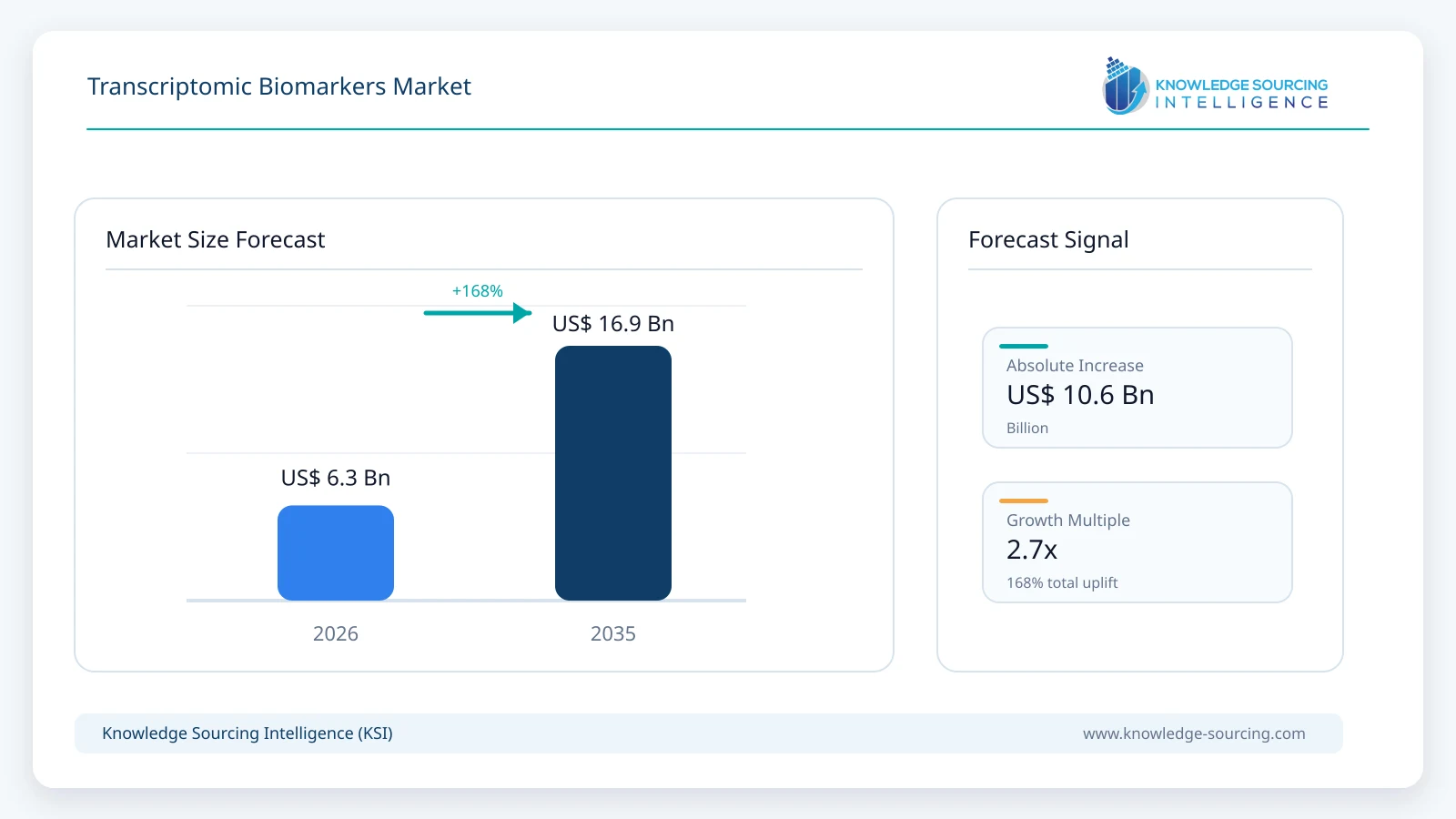
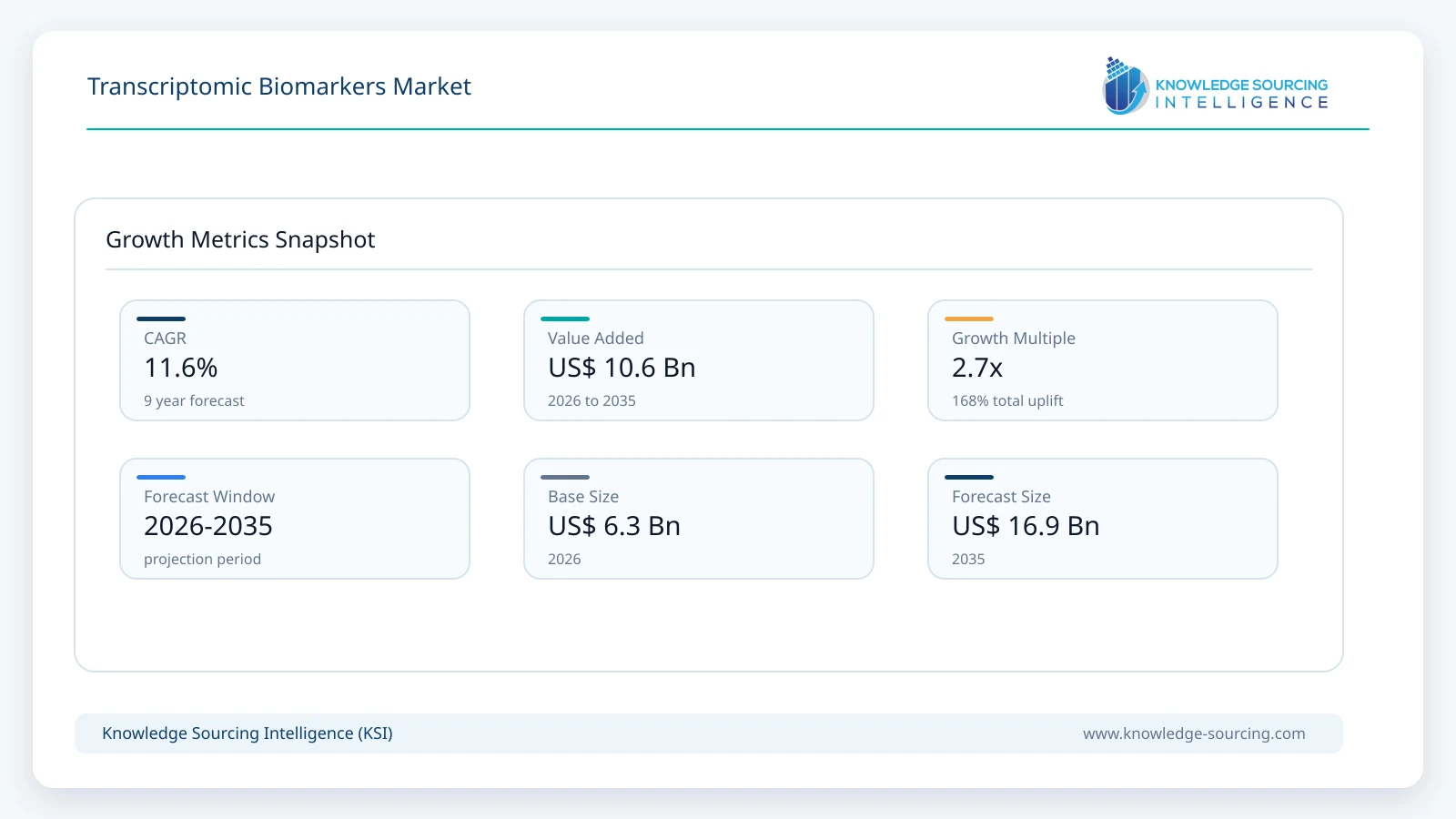
The Transcriptomic Biomarkers Market is expected to increase at a CAGR of 11.6% from a market size of USD 6.32 billion in 2026 to USD 16.92 billion in 2035.
Highlights:
- 1Growing adoption of precision oncology is increasing demand for transcriptomic biomarkers because molecular classification enables more accurate patient selection for targeted therapies.
- 2Pharmaceutical sponsors are integrating transcriptomic endpoints into clinical trials because RNA expression profiles improve biomarker-driven therapeutic development.
- 3RNA sequencing technologies continue replacing conventional expression profiling methods because broader transcript coverage supports the discovery of clinically relevant molecular signatures.
- 4Regulatory agencies are strengthening biomarker qualification pathways because standardized validation improves clinical confidence in transcriptomic diagnostics.
Transcriptomic biomarkers represent measurable RNA expression signatures that characterize biological processes associated with disease onset, progression, prognosis, and therapeutic response. Unlike genomic biomarkers that primarily identify inherited or acquired DNA alterations, transcriptomic biomarkers capture dynamic cellular activity and therefore reflect ongoing biological changes within tissues and circulating biofluids.
Healthcare providers increasingly require biomarkers capable of distinguishing biologically similar diseases because conventional diagnostic approaches often fail to capture molecular heterogeneity. This requirement is driving the adoption of transcriptome-wide analyses that evaluate messenger RNA, microRNA, long non-coding RNA, and other regulatory RNA molecules across multiple disease settings. Improved molecular resolution supports individualized treatment selection while reducing uncertainty during clinical decision-making.
Pharmaceutical companies are incorporating transcriptomic biomarkers throughout drug development because biomarker-guided clinical trials improve patient stratification and enhance the probability of demonstrating therapeutic benefit. Drug developers, therefore, continue investing in RNA sequencing platforms, multiplex molecular diagnostics, artificial intelligence-assisted biomarker discovery, and integrated bioinformatics solutions that shorten translational research timelines.
Regulatory organizations also recognize transcriptomic biomarkers as important components of precision medicine initiatives. Agencies continue publishing qualification frameworks, genomic data standards, and companion diagnostic guidance that strengthen confidence in RNA-based biomarker implementation. As clinical evidence expands across oncology and other therapeutic specialties, transcriptomic biomarkers are becoming strategic assets supporting personalized healthcare, targeted therapeutic development, and biomarker-driven regulatory submissions.
Market Dynamics
Market Drivers
Expansion of Precision Oncology Programs: Precision oncology relies on molecular characterization to identify patients who are most likely to benefit from targeted therapies. Demand is increasing for transcriptomic biomarkers because RNA expression patterns reveal active biological pathways that genomic sequencing alone cannot fully capture. Biological heterogeneity limits treatment effectiveness when molecular stratification remains incomplete. Pharmaceutical companies are therefore incorporating transcriptomic profiling into companion diagnostic development and biomarker-driven clinical trials.
Increasing Integration of Biomarkers into Drug Development: Drug development increasingly depends on validated biomarkers that identify responsive patient populations and monitor biological activity throughout clinical trials. Transcriptomic biomarkers provide dynamic pharmacodynamic information that complements genomic testing during therapeutic evaluation. Clinical trial complexity increases when heterogeneous diseases require molecular stratification before enrollment. Pharmaceutical sponsors are consequently expanding investments in RNA sequencing, multiplex assays, and translational biomarker programs.
Technological Advancements in Transcriptomic Analysis: Transcriptomic technologies continue improving analytical sensitivity, throughput, and quantitative reproducibility. Laboratories are increasingly adopting RNA sequencing because it enables the comprehensive detection of coding and non-coding RNA molecules across diverse biological samples. Conventional expression analysis often provides limited molecular resolution for complex diseases. Technology developers are therefore enhancing sequencing chemistry, automation platforms, digital PCR systems, and bioinformatics workflows.
Expansion of Multi-Omics Research Programs: Biomedical research increasingly combines genomic, transcriptomic, proteomic, and metabolomic information to understand disease mechanisms comprehensively. Transcriptomic biomarkers occupy a central role because they connect genomic variation with functional biological activity. Single-omics approaches frequently overlook regulatory interactions that influence disease progression. Research organizations are consequently investing in integrated multi-omics platforms capable of supporting translational medicine. This strategy strengthens biomarker discovery while increasing opportunities for precision therapeutic development.
Market Restraints
Clinical validation requirements remain extensive because transcriptomic biomarkers require reproducible evidence across diverse patient populations before routine clinical implementation.
Standardization challenges persist across sequencing platforms, analytical workflows, and bioinformatics pipelines, limiting cross-study comparability and regulatory harmonization.
High infrastructure costs associated with next-generation sequencing, computational analysis, and specialized laboratory expertise continue restricting adoption among resource-constrained healthcare institutions.
Market Opportunities
Expansion of Liquid Biopsy Applications: Liquid biopsy technologies increasingly depend on circulating RNA biomarkers because minimally invasive testing supports longitudinal disease monitoring. Conventional tissue biopsies often fail to capture temporal molecular changes during treatment. Diagnostic developers are expanding transcriptomic liquid biopsy assays that measure circulating RNA signatures across oncology and other disease areas. This transition creates opportunities for repeated molecular assessment while improving patient management throughout therapy.
Development of AI-Enabled Biomarker Discovery Platforms: Artificial intelligence enables efficient interpretation of high-dimensional transcriptomic datasets by identifying complex molecular patterns associated with disease outcomes. Biomarker discovery becomes increasingly challenging as sequencing datasets continue expanding in size and complexity. Technology providers are integrating machine learning algorithms with transcriptomic analytics to accelerate candidate identification and validation. This capability strengthens pharmaceutical research while supporting the development of clinically actionable biomarker panels.
Increasing Companion Diagnostic Collaborations: Targeted therapies increasingly require companion diagnostics capable of identifying eligible patients before treatment initiation. Transcriptomic biomarkers provide functional molecular information that complements mutation-based testing across multiple therapeutic areas. Drug developers, therefore, continue establishing partnerships with molecular diagnostics companies to co-develop biomarker-guided treatment strategies. These collaborations strengthen commercialization pathways while supporting simultaneous therapeutic and diagnostic regulatory approvals.
Growing Adoption in Neurological Disorders: Neurological diseases increasingly require molecular biomarkers because clinical symptoms frequently overlap across disease subtypes. Traditional diagnostic approaches often detect disease after irreversible neurological damage has occurred. Academic institutions and biotechnology companies are expanding transcriptomic biomarker research focused on neurodegenerative disorders, neuroinflammation, and psychiatric diseases. This research supports earlier diagnosis while creating opportunities for precision neurology applications.
Disease & Epidemiology Analysis
Transcriptomic biomarkers are gaining importance because complex diseases increasingly demonstrate molecular heterogeneity that cannot be adequately characterized through conventional clinical assessment alone. Oncology remains the largest application area since cancer progression depends on dynamic gene expression changes influencing proliferation, immune regulation, angiogenesis, and therapeutic resistance. RNA-based biomarkers therefore support tumor classification, prognosis prediction, minimal residual disease assessment, and patient selection for targeted therapies.
Neurological disorders also represent an expanding area for transcriptomic biomarker development because neurodegenerative diseases often exhibit prolonged preclinical phases before clinical diagnosis. Researchers continue evaluating circulating microRNAs, messenger RNAs, and long non-coding RNAs as minimally invasive biomarkers for Alzheimer's disease, Parkinson's disease, amyotrophic lateral sclerosis, and multiple sclerosis. Earlier molecular detection supports therapeutic intervention before irreversible neuronal damage becomes extensive.
Cardiovascular diseases continue to generate demand for transcriptomic biomarkers because inflammatory signaling, vascular remodeling, and myocardial injury involve measurable RNA expression changes. Clinical researchers are investigating transcriptomic signatures capable of predicting disease progression, treatment response, and adverse cardiovascular outcomes. These biomarkers complement imaging and biochemical diagnostics by providing mechanistic insights into disease activity.
Infectious diseases increasingly utilize host transcriptomic biomarkers because pathogen detection alone frequently provides limited information regarding disease severity and immune response. Researchers are validating RNA expression signatures capable of differentiating viral infections from bacterial infections while improving antimicrobial stewardship. Respiratory diseases similarly benefit from transcriptomic analyses that characterize inflammatory pathways and therapeutic response, particularly in asthma, chronic obstructive pulmonary disease, and interstitial lung diseases.
Treatment Guidelines Landscape
Disease Area | Guideline Organization | Role of Transcriptomic Biomarkers | Current Position |
Oncology | National Comprehensive Cancer Network (NCCN) | Supports molecular profiling and companion diagnostics for targeted therapies | Widely incorporated for selected cancers. |
Oncology | European Society for Medical Oncology (ESMO) | Recommends molecular testing to guide precision oncology | Increasing integration into treatment pathways |
Breast Cancer | American Society of Clinical Oncology (ASCO) | Supports validated gene-expression assays for recurrence risk assessment | Established in selected early-stage disease |
Infectious Diseases | World Health Organization | Evaluates molecular diagnostics supporting infectious disease management | Primarily research and emerging clinical use |
Market Segmentation
By Biomarker Type
Messenger RNA (mRNA) biomarkers represent the largest functional segment because they directly reflect gene transcription activity associated with disease progression, therapeutic response, and cellular differentiation. Demand is increasingly shifting toward mRNA-based biomarkers as clinicians require dynamic molecular indicators capable of monitoring biological changes throughout treatment rather than relying solely on static genomic alterations. Biological variability across patient populations limits the predictive value of conventional protein biomarkers in several disease settings. Diagnostic developers are therefore expanding high-throughput sequencing assays, multiplex expression panels, and companion diagnostic platforms that quantify mRNA signatures with greater analytical precision. These developments strengthen precision oncology, inflammatory disease management, and translational medicine while enabling pharmaceutical companies to identify responsive patient populations during clinical development.
By Technology
RNA sequencing (RNA-Seq) constitutes the leading technology because it enables unbiased, transcriptome-wide characterization of coding and non-coding RNA molecules with high analytical sensitivity. Demand is continuously increasing as research organizations and pharmaceutical companies require comprehensive molecular profiling capable of identifying novel biomarkers, splice variants, fusion transcripts, and differential gene expression patterns. Traditional microarray platforms provide limited transcript coverage and reduced flexibility for emerging biomarker discovery applications. Technology providers are consequently improving sequencing chemistry, automation systems, cloud-based bioinformatics, and scalable computational workflows that support both research and clinical laboratories. These advancements enhance analytical reproducibility while facilitating biomarker validation across multicenter studies.
By Application
Oncology represents the dominant application because cancer development involves continuous alterations in gene expression that influence tumor initiation, immune evasion, metastasis, and treatment resistance. Demand is increasing for transcriptomic biomarkers as oncologists require molecular signatures capable of identifying patients most likely to benefit from targeted therapies and immunotherapies. Tumor heterogeneity frequently reduces the predictive value of conventional histopathological assessment alone. Pharmaceutical sponsors are therefore integrating transcriptomic profiling into biomarker-driven clinical trials, companion diagnostic development, and therapeutic response monitoring. These investments support personalized treatment strategies while improving clinical trial enrollment efficiency and regulatory evidence generation. Oncology remains the primary commercial opportunity because expanding precision medicine programs continue to increase demand for validated RNA-based diagnostic assays across multiple solid tumors and hematological malignancies.
Regional Analysis
North America Market Analysis
North America represents the most established market for transcriptomic biomarkers because the region combines advanced molecular diagnostics infrastructure, substantial biomedical research funding, mature regulatory pathways, and widespread adoption of precision medicine initiatives. Demand continues to increase as healthcare providers integrate transcriptomic profiling into oncology, rare disease diagnosis, and translational medicine programs. Clinical implementation depends on validated molecular evidence, which encourages continuous investment in analytical standardization and companion diagnostic development. Pharmaceutical companies are expanding biomarker-driven clinical trials across the United States and Canada because molecular stratification improves therapeutic success rates while supporting regulatory submissions. Academic medical centers, comprehensive cancer centers, and biotechnology companies continue collaborating to identify clinically actionable RNA signatures using next-generation sequencing and single-cell transcriptomic technologies.
Europe Market Analysis
Europe maintains a significant position because coordinated precision medicine initiatives, collaborative research networks, and harmonized regulatory frameworks encourage transcriptomic biomarker development across multiple therapeutic areas. Demand is steadily increasing as healthcare systems emphasize personalized treatment strategies capable of improving clinical outcomes while optimizing healthcare resource utilization. Molecular diagnostics require standardized validation across diverse healthcare environments, creating demand for harmonized laboratory practices and interoperable bioinformatics platforms. European research institutions are expanding multinational biomarker discovery programs supported by Horizon Europe and national precision medicine strategies.
Asia Pacific Market Analysis
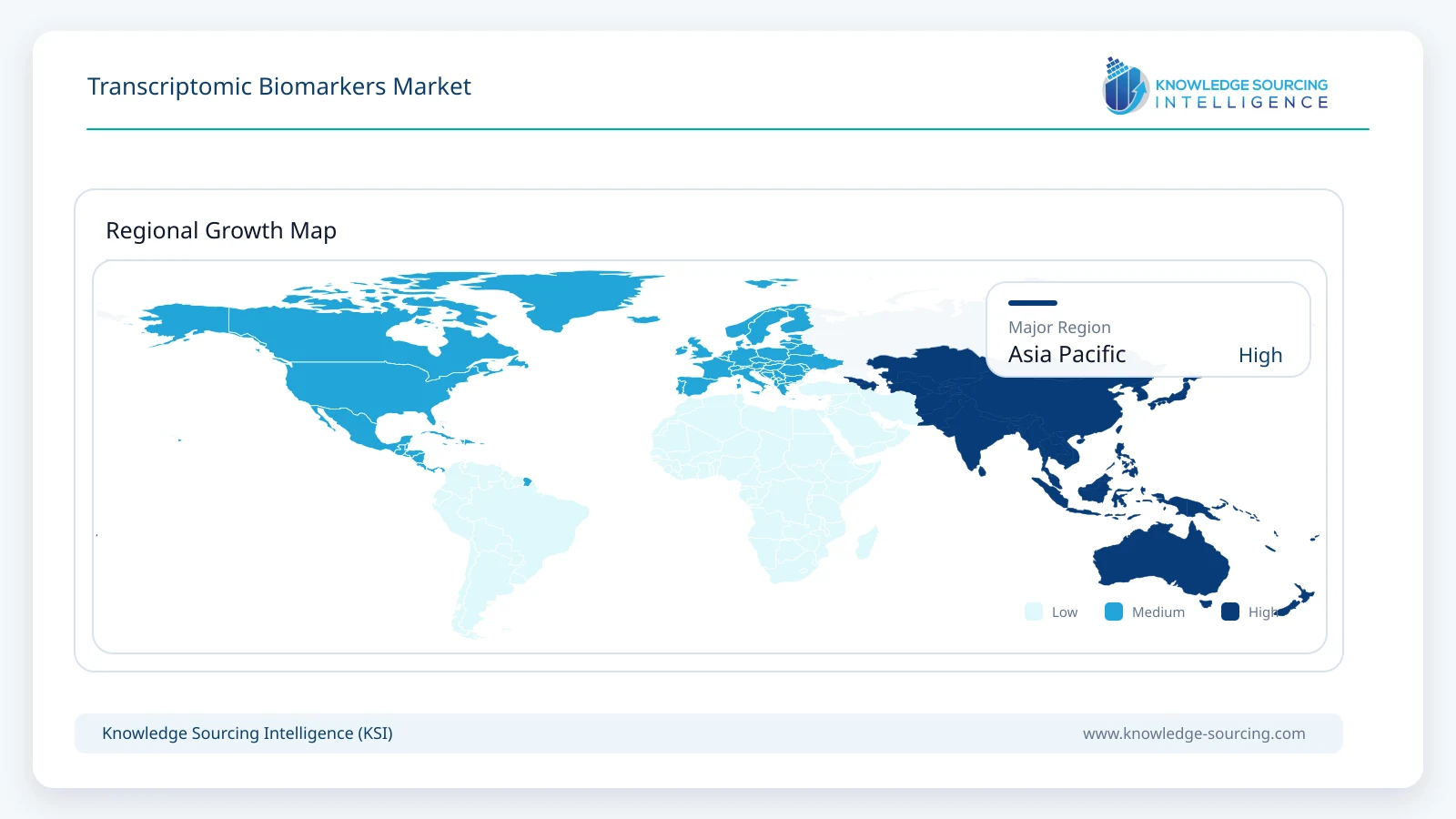
Asia Pacific is emerging as the fastest-growing regional market because healthcare modernization, expanding genomic research capacity, and increasing cancer incidence continue driving investment in molecular diagnostics. Demand is increasing as governments strengthen national precision medicine programs and improve access to advanced sequencing technologies across major healthcare institutions. Rapid population growth and rising chronic disease prevalence create pressure for earlier disease detection and individualized therapeutic approaches. Healthcare providers are consequently expanding molecular diagnostic laboratories while adopting RNA sequencing platforms that support both clinical and translational research. Pharmaceutical companies continue increasing regional clinical trial activity because diverse patient populations support biomarker validation across multiple disease indications.
Rest of the World
The Rest of the World region continues demonstrating gradual expansion because healthcare systems are progressively adopting precision medicine despite differences in infrastructure maturity and diagnostic accessibility. Demand is increasing primarily within specialized tertiary hospitals and research institutions seeking advanced molecular tools for oncology and infectious disease management. Limited sequencing infrastructure and workforce availability constrain widespread implementation across several emerging healthcare markets. Governments and international health organizations are therefore supporting capacity-building initiatives that improve laboratory infrastructure, workforce training, and genomic surveillance capabilities. Pharmaceutical sponsors continue expanding multinational clinical trials into Latin America, the Middle East, and selected African countries because broader geographic diversity strengthens biomarker validation and therapeutic development.
Regulatory Landscape
Transcriptomic biomarkers operate within regulatory frameworks that emphasize analytical validity, clinical validity, and clinical utility before widespread implementation. Regulatory agencies recognize that molecular biomarkers increasingly influence therapeutic decision-making, patient stratification, and companion diagnostic development. Because transcriptomic assays directly affect treatment selection, regulatory expectations continue expanding beyond laboratory performance toward demonstration of reproducible clinical benefit across intended patient populations. Developers are consequently investing in multicenter validation studies, standardized analytical pipelines, and quality management systems that support regulatory review.
The U.S. Food and Drug Administration continues advancing biomarker qualification through its Drug Development Tool Qualification Program, enabling qualified biomarkers to support multiple drug development programs without repeated review for the same context of use. This framework encourages pharmaceutical sponsors to generate standardized evidence while facilitating broader biomarker acceptance across therapeutic areas.
Within Europe, the European Medicines Agency continues supporting biomarker qualification through scientific advice and qualification opinions that facilitate evidence-based integration into therapeutic development. The European Union's In Vitro Diagnostic Regulation (IVDR) is simultaneously strengthening performance and clinical evidence requirements for molecular diagnostics. These regulatory developments improve confidence in transcriptomic biomarker implementation while increasing expectations for analytical transparency, post-market surveillance, and clinical performance documentation.
Pipeline Analysis
Transcriptomic biomarker pipelines continue expanding because precision medicine increasingly depends on molecular signatures capable of predicting disease progression, therapeutic response, and treatment resistance. Pharmaceutical sponsors are integrating RNA-based biomarkers throughout clinical development rather than limiting biomarker assessment to exploratory research. This transition improves patient enrichment strategies while reducing variability during therapeutic evaluation. Companion diagnostics are therefore evolving alongside targeted therapeutics, creating parallel development pathways that strengthen regulatory readiness.
Oncology remains the largest pipeline segment because transcriptomic biomarkers support immune profiling, tumor microenvironment characterization, minimal residual disease monitoring, and resistance mechanism identification. Numerous investigational studies are evaluating messenger RNA expression signatures, circulating microRNAs, and long non-coding RNAs for predicting response to immune checkpoint inhibitors, antibody-drug conjugates, cell therapies, and targeted small molecules. Single-cell transcriptomics is also expanding because cellular heterogeneity increasingly influences treatment response across solid tumors and hematological malignancies. Pharmaceutical companies are incorporating these technologies into early-phase and registrational studies to improve biomarker-guided patient selection.
Outside oncology, pipeline activity is expanding across neurology, cardiovascular diseases, infectious diseases, and respiratory disorders. Research organizations continue evaluating transcriptomic biomarkers capable of differentiating disease subtypes, predicting disease progression, and monitoring therapeutic effectiveness using minimally invasive biological samples. Artificial intelligence-assisted biomarker discovery platforms are accelerating candidate prioritization because increasingly complex transcriptomic datasets require scalable computational interpretation. These developments continue strengthening the translational pathway from biomarker discovery toward clinically validated molecular diagnostics.
Reimbursement Landscape
Reimbursement for transcriptomic biomarker testing continues evolving alongside broader implementation of precision medicine. Healthcare payers generally evaluate reimbursement based on demonstrated clinical utility, analytical validity, cost-effectiveness, and the ability of molecular testing to improve patient outcomes. Oncology currently represents the most mature reimbursement environment because several molecular expression assays already support treatment selection and recurrence risk assessment. Broader reimbursement remains dependent on high-quality clinical evidence demonstrating that transcriptomic testing improves therapeutic decision-making compared with conventional diagnostic approaches.
Health technology assessment organizations are increasingly reviewing economic evidence supporting transcriptomic biomarker implementation because healthcare systems require sustainable integration of advanced molecular diagnostics. Pharmaceutical companies and diagnostic manufacturers are therefore generating real-world evidence alongside clinical trial data to strengthen reimbursement submissions. These efforts are improving payer confidence while supporting the gradual expansion of reimbursement coverage across additional disease areas.
Competitive Landscape
Illumina, Inc.
Illumina, Inc. maintains a leading position in the transcriptomic biomarkers market through its next-generation sequencing (NGS) platforms, comprehensive sequencing reagents, and integrated bioinformatics solutions. The company continues expanding collaborations with pharmaceutical and research organizations to accelerate biomarker discovery, companion diagnostic development, and precision medicine applications.
Thermo Fisher Scientific Inc.
Thermo Fisher Scientific Inc. offers an extensive portfolio of RNA sequencing, quantitative PCR, sample preparation, and bioinformatics solutions that support transcriptomic biomarker research and clinical translation. Its integrated workflow strategy enables pharmaceutical companies and clinical laboratories to generate standardized molecular data across biomarker development programs.
F. Hoffmann-La Roche Ltd.
F. Hoffmann-La Roche Ltd. combines its pharmaceutical expertise with advanced molecular diagnostics through Roche Diagnostics, strengthening the integration of transcriptomic biomarkers into personalized healthcare. The company continues investing in companion diagnostics and precision oncology programs that support biomarker-guided therapeutic development.
QIAGEN N.V.
QIAGEN N.V. provides molecular sample preparation technologies, RNA analysis assays, bioinformatics platforms, and companion diagnostic solutions that facilitate transcriptomic biomarker workflows. The company's strategic partnerships with pharmaceutical developers are expanding the clinical adoption of RNA-based biomarkers across multiple therapeutic areas.
Agilent Technologies, Inc.
Agilent Technologies, Inc. supports transcriptomic biomarker research through genomics instruments, microarray platforms, automated laboratory solutions, and analytical software. The company continues enhancing integrated molecular analysis workflows to improve biomarker validation, translational research, and clinical laboratory efficiency.
Bio-Rad Laboratories, Inc.
Bio-Rad Laboratories, Inc. delivers digital PCR, quantitative PCR, multiplex assay systems, and life science research products that enable sensitive RNA biomarker detection and validation. Its focus on highly reproducible molecular analysis supports pharmaceutical research, clinical laboratories, and precision medicine initiatives.
Key Developments
July 2026: Caris launched Caris Detect as a new product offering in its cancer diagnostics portfolio. The release positions the test around advanced molecular profiling to support precision oncology workflows.
April 2026: 10x Genomics introduced Atera, a new spatial biology platform built to measure whole-transcriptome biology at high throughput and single-cell sensitivity. The company says the system is designed for large-scale discovery studies and broader spatial analysis without compromising scale or resolution.
February 2025: Illumina announced a new spatial technology program to map complex tissues and study cellular behavior at an unprecedented scale. The platform is designed to deliver unbiased whole-transcriptome profiling with cellular resolution and high sensitivity on Illumina sequencers.
Strategic Insights and Future Market Outlook
The transcriptomic biomarkers market is transitioning from exploratory research toward routine clinical implementation as precision medicine increasingly depends on dynamic molecular characterization rather than static genomic information. Pharmaceutical sponsors are incorporating transcriptomic biomarkers across drug discovery, translational research, and late-stage clinical development because RNA expression profiles improve patient stratification, identify therapeutic response mechanisms, and support companion diagnostic strategies. Simultaneously, advances in RNA sequencing, single-cell transcriptomics, artificial intelligence-assisted bioinformatics, and cloud-based analytical platforms are improving scalability and enabling broader clinical adoption.
Regulatory agencies are strengthening frameworks for biomarker qualification, while healthcare providers are seeking standardized molecular diagnostics that demonstrate reproducible clinical utility. This environment is encouraging diagnostic manufacturers to invest in analytical validation, regulatory compliance, and real-world evidence generation. Strategic collaborations among sequencing technology providers, pharmaceutical companies, academic research institutions, and healthcare systems are accelerating biomarker commercialization while reducing translational barriers between discovery and clinical practice.
Over the forecast period, demand is expected to remain concentrated in oncology while expanding into neurology, cardiovascular diseases, infectious diseases, and respiratory disorders as clinical evidence continues to mature. Companies capable of integrating high-throughput sequencing technologies, advanced bioinformatics, companion diagnostics, and regulatory expertise are likely to strengthen their competitive positions. The convergence of multi-omics research, precision therapeutics, and data-driven clinical decision-making will continue positioning transcriptomic biomarkers as an essential component of next-generation personalized healthcare.
The transcriptomic biomarkers market is establishing a stronger role within precision medicine because healthcare systems increasingly require functional molecular insights that support individualized diagnosis and treatment. Continued advances in sequencing technologies, expanding biomarker-driven clinical trials, supportive regulatory initiatives, and strategic industry collaborations are strengthening the pathway toward broader clinical adoption, making transcriptomic biomarkers a critical foundation for future diagnostic and therapeutic innovation.
Transcriptomic Biomarkers Market Scope:
| Report Metric | Details |
|---|---|
| Total Market Size in 2026 | USD 6.32 billion |
| Total Market Size in 2035 | USD 16.92 billion |
| Forecast Unit | Billion |
| Growth Rate | 11.6% |
| Study Period | 2021 to 2035 |
| Historical Data | 2021 to 2024 |
| Base Year | 2025 |
| Forecast Period | 2026 – 2035 |
| Segmentation | Biomarker Type, Technology, Sample Type, Application, End User, Geography |
| Companies |
|
Market Segmentation
Biomarker Type
Technology
End User
Geography
- North America
- South America
- Europe
- Middle East and Africa
- Asia Pacific
Table of Contents
1. EXECUTIVE SUMMARY
1.1 Market Snapshot
1.2 Key Findings
1.3 Analyst Insights
1.4 Strategic Recommendations
2. RESEARCH METHODOLOGY
2.1 Research Design
2.2 Data Collection Methodology
2.3 Market Size Estimation
2.4 Forecasting Model
2.5 Assumptions & Limitations
3. GLOBAL TRANSCRIPTOMIC BIOMARKERS MARKET OVERVIEW, SIZE & FORECAST
3.1 Market Definition & Scope
3.2 Industry Overview
3.3 Evolution of Transcriptomic Biomarkers
3.4 Key Market Trends
3.5 Historical Market Size Analysis (2021–2025)
3.6 Market Forecast (2026–2035)
3.7 Role of Transcriptomic Biomarkers Across the Precision Medicine Workflow
3.8 Disease Burden and Clinical Need for Transcriptomic Biomarkers
3.9 Disease Prevalence and Diagnosed Patient Population Analysis
3.10 Biomarker Discovery to Clinical Commercialization Workflow
3.11 Clinical Adoption Landscape
4. MARKET DYNAMICS
4.1 Market Drivers
4.2 Market Restraints
4.3 Market Opportunities
4.4 Market Challenges
5. INDUSTRY LANDSCAPE
5.1 Industry Value Chain Analysis
5.2 Pricing Analysis
5.3 Reimbursement Landscape
6. INNOVATION LANDSCAPE
6.1 Emerging Transcriptomic Technologies
6.2 Product Innovation
6.3 Clinical Trial Analysis
6.4 Pipeline Analysis
6.5 Artificial Intelligence and Machine Learning Integration
6.6 Multi-Omics Integration and Spatial Transcriptomics
6.7 Technology Roadmap
7. REGULATORY LANDSCAPE
7.1 Regulatory Framework
7.2 Approval Pathways
7.3 Compliance Requirements
8. GLOBAL TRANSCRIPTOMIC BIOMARKERS MARKET LANDSCAPE ANALYSIS
8.1 Analysis by Technology Platform
8.2 Analysis by Biomarker Type
8.3 Analysis by Sample Type
8.4 Analysis by Clinical Application
8.5 Analysis by Testing Methodology
9. GLOBAL TRANSCRIPTOMIC BIOMARKERS MARKET SEGMENT ANALYSIS (2021–2035)
9.1 By Biomarker Type
9.1.1 Messenger RNA (mRNA) Biomarkers
9.1.2 MicroRNA (miRNA) Biomarkers
9.1.3 Long Non-Coding RNA (lncRNA) Biomarkers
9.2 By Technology
9.2.1 RNA Sequencing (RNA-Seq)
9.2.2 Quantitative PCR (qPCR)
9.2.3 Microarray
9.2.4 Other Transcriptomic Technologies
9.3 By Sample Type
9.3.1 Blood
9.3.2 Tissue
9.3.3 Saliva
9.3.5 Urine
9.3.6 Other Sample Types
9.4 By Application
9.4.1 Oncology
9.4.2 Neurology
9.4.3 Cardiovascular Diseases
9.4.4 Infectious Diseases
9.4.5 Respiratory Diseases
9.4.6 Other Applications
9.5 By End User
9.5.1 Hospitals
9.5.2 Clinical Diagnostic Laboratories
9.5.3 Academic & Research Institutes
9.5.4 Pharmaceutical & Biotechnology Companies
9.5.5 Other End Users
10. GLOBAL TRANSCRIPTOMIC BIOMARKERS MARKET GEOGRAPHICAL ANALYSIS (2021–2035)
10.1 North America
10.2 Europe
10.3 Asia-Pacific
10.4 South America
10.5 Middle East & Africa
11. GLOBAL TRANSCRIPTOMIC BIOMARKERS MARKET COUNTRY ANALYSIS (2021–2035)
11.1 United States
11.2 Canada
11.3 Germany
11.4 United Kingdom
11.5 France
11.6 Italy
11.7 Spain
11.8 Netherlands
11.9 Switzerland
11.10 China
11.11 Japan
11.12 South Korea
11.13 India
11.14 Australia
11.15 Brazil
12. COMPETITIVE LANDSCAPE
12.1 Market Share Analysis
12.2 Strategic Developments
12.3 Mergers & Acquisitions, Partnerships & Collaborations
12.4 Product Launches
13. COMPANY PROFILES
13.1 Illumina, Inc.
13.1.1 Company Overview
13.1.2 Financials
13.1.3 Product Portfolio
13.1.4 Recent Developments
13.2 Thermo Fisher Scientific Inc.
13.3 F. Hoffmann-La Roche Ltd.
13.4 QIAGEN N.V.
13.5 Agilent Technologies, Inc.
13.6 Bio-Rad Laboratories, Inc.
13.7 Bruker Corporation
13.8 Standard BioTools Inc.
13.9 Oxford Nanopore Technologies plc
13.10 10x Genomics, Inc.
14. GLOBAL TRANSCRIPTOMIC BIOMARKERS MARKET COMMERCIAL FORECAST ANALYSIS
14.1 Research Use Only (RUO) Transcriptomic Solutions
14.2 Clinical Transcriptomic Testing Solutions
14.3 RNA Sequencing-Based Biomarker Platforms
14.4 PCR-Based Gene Expression Assays
14.5 Spatial Transcriptomics Platforms
14.6 Single-Cell Transcriptomic Platforms
14.7 Companion Diagnostic Transcriptomic Biomarker Solutions
15. INVESTMENT & FUNDING ANALYSIS
15.1 Venture Capital Trends
15.2 Government Funding
15.3 R&D Investments
16. FUTURE OUTLOOK
16.1 Key Growth Opportunities
16.2 Future Industry Trends
Navigate
Trusted by the world's leading organizations











