Pulse Power: Unveiling the Top 10 Pulses That Pack a Nutritional Punch
Pulses such as beans, lentils, and peas are nutrient-rich staples gaining global importance amid shifting protein demand, climate pressures, and evolving trade dynamics, with growing roles in plant-based foods, industrial applications, and sustainable agriculture.
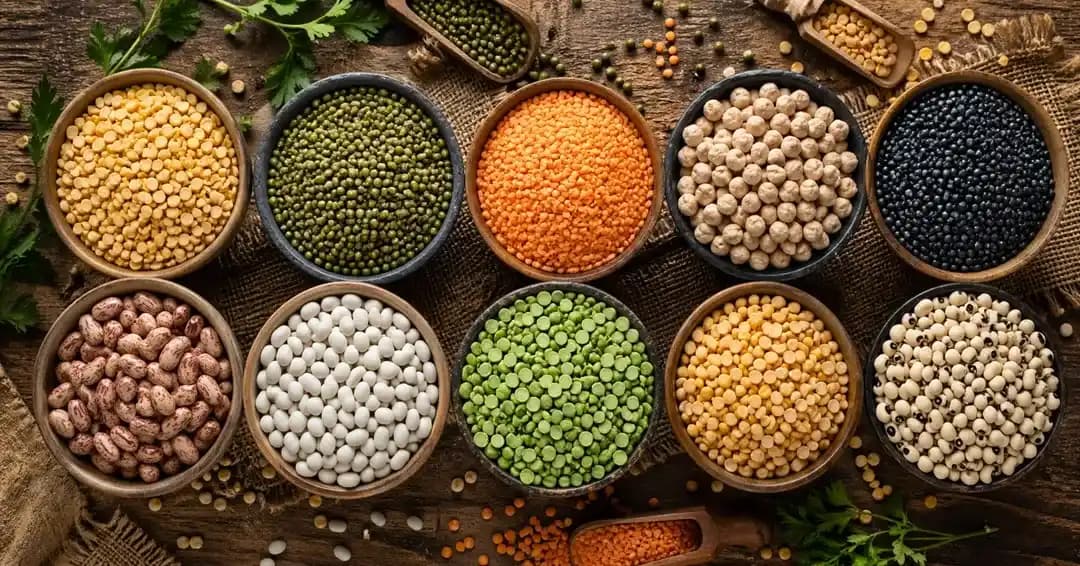
Explore the Power of Pulses: Nutrient-Rich Beans, Lentils, and Peas
Dive into the world of pulses, nutrient-dense beans, lentils, and peas that offer remarkable health benefits. Incorporating pulses into your diet regularly can help lower the risk of heart disease, type 2 diabetes, and certain types of cancer. These plant-based superfoods are incredibly versatile, making them ideal for everything from soups and salads to breads and desserts. Pulses are also an excellent source of protein, fiber, folate, iron, and phosphorus, making them a smart choice for balanced nutrition. India and Australia are among the top global producers and exporters of pulses.
The global pulses sector is currently navigating a period of profound structural realignment. We’ve moved past the initial post-pandemic supply chain shocks into something more complex: a market defined by volatile climate patterns in the Global South and a shifting protein mandate in the West. Analysts often get bogged down in production tonnages, but the real story is in the nuances of trade flows and the sudden elevation of pulses from "peasant food" to the cornerstone of the high-tech plant-based ingredient sector.
Unlock the Full Market Potential of Pulses
This article provides a great overview. For a data-driven look into the industry, our full report provides the insights you need to make strategic decisions.
5-Year Market Size & Growth Forecasts
Competitive Landscape & Key Player Analysis
Emerging Trends & Investment Opportunities
Discover the Top 10 Pulses and how these wholesome ingredients can enhance both flavor and wellness in your everyday meals.
Top 10 Pulses
Chick Peas (Bengal Gram)
Pigeon Peas (Arhar)
Green Gram (Moong Beans)
Black Matpe (Urad)
Red Kidney Beans (Rajma)
Black Eyed Peas (Lobiya)
Lentils (Masoor)
Dry Beans
Faba Beans
Bambara Beans
Let’s discuss each one in detail.
1. Chick Peas (Bengal Gram)
Chickpeas, also known as garbanzo beans, are nutrient-rich legumes gaining popularity worldwide for their health benefits and culinary versatility. Packed with plant protein, dietary fiber, and essential vitamins and minerals, chickpeas support digestion, promote heart health, regulate blood sugar levels, and aid in weight management. They are an excellent choice for vegetarian and vegan diets, offering a valuable source of protein and nutrients.
Chickpeas are used in a wide range of dishes, including hummus, curries, stews, and salads, making them a staple in global cuisines. They are rich in vitamin B6, folate, and vitamin K, all of which contribute to overall wellness and immune support.
India is the world's leading producer of chickpeas, accounting for nearly 50% of the country’s total pulse output. According to the ICAR–Indian Institute of Pulses Research, India's chickpea production reached 13.75 million tonnes in 2021–2022, and by 2023, chickpea cultivation area expanded by 25%, highlighting the crop’s rising importance in agriculture and food security.
Chickpeas are the heavy hitters of the pulse world, and their market behavior currently reflects a tug-of-war between traditional consumption and industrial scaling. In India, the largest producer, we’re seeing a fascinating shift toward high-yielding Desi varieties as government procurement prices provide a safety net. However, the Kabuli variety, those larger, cream-colored seeds, is where the export premium lies. The logic is simple: the hummus boom in North America and Europe hasn't peaked; it has merely matured.
We are seeing a move toward "chickpea isolation" technology. Companies are no longer just looking for whole beans; they want the protein isolate for dairy-free alternatives. This creates a bifurcated market. On one hand, you have the commodity trade sensitive to monsoon cycles; on the other, you have a high-spec specialty market where protein content (often hitting that 20-22% mark) dictates the price. If one were betting on one pulse to maintain its liquidity over the next three years, it’s this one. The acreage in Canada and Australia is expanding, yet demand keeps absorbing the surplus. It’s a rare case of a "prestige" commodity that remains a staple.
The Growing Demand for Plant-Based Protein
The rise of chickpeas is directly tied to the global shift towards plant-based diets. Our in-depth report on the Plant Protein Market gives you a comprehensive look at this multi-billion-dollar industry. Discover insights on market drivers, consumer trends, and key investment opportunities.
2. Red Kidney Beans
Rajma is the pulse that bridges the gap between Eastern and Western diets. In the West, it’s the soul of chilli con carne; in the East, it’s the premium comfort food of the northern latitudes. The market for Red Kidney beans is surprisingly sophisticated, with a clear hierarchy based on size and "brightness" of the red color.
Red kidney beans are an important bean in the food industry due to their versatility and nutritional value. These medium-sized, dark red beans have a distinct kidney shape, and their rich flavor and creamy texture make them a popular ingredient in many dishes around the world. Red kidney beans are widely used in both traditional and modern cuisines, adding depth, flavor, and nutritional value to a wide range of dishes. They are an excellent plant-based protein source, making them an essential part of vegetarian and vegan diets. They also contain important nutrients such as dietary fiber, vitamins (including folate and vitamin K), and minerals like iron, magnesium, and potassium. This nutrient profile improves the health benefits of their consumption. Kidney beans are useful in numerous health issues, such as diabetes, heart health, iron deficiency anemia, and colon health. India, China, and the United States are major producers of red kidney beans. For instance, according to the US Department of Agriculture’s “China: Pulses, Kidney Beans & Dried Pulses” report, in the year 2021–2022, China's red kidney bean production was 250,000 metric tons (MT). Additionally, in the United States, 93 million hundredweight red kidney beans were produced in 2023.
We’re seeing a shift in production toward the Americas, specifically the US and Argentina, which are becoming the reliable providers of the "Large Red" varieties. The challenge here is the canning industry. A huge percentage of Rajma is sold in cans, meaning the market is sensitive to steel and tinplate prices as much as the beans themselves. Analytically, the Kidney bean market is stable but stagnant. It doesn't have the "superfood" buzz of Moong or the volume of Chickpeas. It’s a reliable workhorse, but one that is currently seeing its margins squeezed by rising logistics costs for heavy, canned goods.
3. Lentils (Masoor)
Lentils are edible legumes from the pulse family, recognized for their small, lens-shaped seeds and wide variety of colors, including yellow, red, green, and brown. Cultivated for centuries across the globe, lentils are highly valued for their nutritional content, culinary versatility, and rich flavor. Commonly featured in soups, stews, curries, and salads, lentils are celebrated not only for their taste but also for their ability to absorb and enhance the flavors of other ingredients.
Lentils can also be ground into flour to create gluten-free baked goods and snacks, making them ideal for those with dietary restrictions. These pulses are a powerhouse of plant-based protein, making them a staple in vegetarian and vegan diets. Lentils are also rich in fiber, iron, folate, and essential vitamins and minerals. Their high fiber content promotes digestive health, helps regulate cholesterol levels, and supports overall heart health.
Lentils are the most globalized of all pulses. The trade corridor between Canada and India/Turkey is the heartbeat of this market. If you want to understand Lentils, you have to watch the port of Vancouver and the rain gauges in Saskatchewan. We’ve seen a fascinating evolution from Brown/Green lentils toward Red lentils (Masoor).
Red lentils are prized for their "quick-cook" nature. In a world where convenience is king, a pulse that doesn't require overnight soaking is at a massive advantage. We’re seeing "value-added" processing plants popping up in the Middle East, specifically the UAE and Turkey, that import raw lentils, split them, and re-export them. This middle-man economy is thriving. The analytical depth here lies in the "splitting ratio." A small improvement in milling technology can shift the profit margins of a multi-billion-dollar trade route. Lentils aren't just food; they are a sophisticated logistics exercise.
Canada is the world’s leading producer of lentils, thanks to its fertile soil and favorable growing conditions. Canadian lentils are renowned for their quality and are exported globally. Other major producers include India, Turkey, Australia, and the United States, where lentils are adapted to various climates and soil types.
According to the Canadian Grain Commission, Canada produced 2.3 million tonnes of lentils in 2022, marking a 43.3% increase from 2021. In India, the ICAR–Indian Institute of Pulses Research reported 1.28 million tonnes of lentil production in 2022, cultivated across 1.42 million hectares, with an average yield of 904 kg/ha.
4. Green Gram (Moong Beans)
Green gram is a popular pulse from the bean family. This versatile vegetable is distinguished by its long, slender shape and bright green color. They are widely cultivated and used in a variety of cuisines around the world and can be used raw or cooked, making them a versatile ingredient in salads, stir-fries, casseroles, soups, and other dishes. Green grams, with their tender, crisp texture and mild, slightly sweet flavor, make an excellent addition to many dishes. Apart from their food uses, these beans are extremely nutritious and provide numerous health benefits. They are low in calories and fat, but high in essential nutrients such as dietary fiber, vitamins A, C, and K, as well as minerals like manganese and potassium. They contain dietary fiber, which aids digestion, promotes bowel regularity, and helps people maintain a healthy weight. These beans are also high in antioxidants, which protect cells from oxidative stress and thus promote overall health.
Moong is the sprinter of the pulse family. With a 60-day crop cycle, it’s the ultimate "gap-filler" for farmers. In the Mekong Delta and across Central India, Moong is used as a catch-crop between rice or wheat cycles. This makes the supply side incredibly "noisy", it can flood the market or vanish based on a very narrow window of opportunity.
China is the world's largest producer of green gram due to its vast agricultural system and favorable growing conditions, which allow for significant green bean production. Other major green bean producers include India, Indonesia, Myanmar, and Turkey. These countries use their agricultural resources and expertise to grow and supply green grams to domestic and international markets, ensuring a consistent supply of this nutritious pulse. For instance, according to the World Vegetable Center, Jilin is China's largest mungbean producer as the varieties grown in the region are well-known for their full grain and size, shiny green color, and superior nutritional and sprouting properties, Baicheng exports 70,000 tonnes of mungbean annually, with more than 50,000 tonnes of high-value, sprouting-quality beans. Additionally, according to the ICAR-Indian Institute of Pulses Research, Mungbean production in India reached 5.5 million hectares in 2022, resulting in 3.17 million tonnes at a productivity of 570 kg per hectare.
Analytically, Green Gram is the darling of the clean-label movement. Because it’s easier to digest than its heavier cousins, it’s being funneled into the "functional food" pipeline. The starch from Moong is prized for glass noodles, and the protein is now a primary competitor to yellow peas in egg-substitute formulations. The price floor for Green Gram is effectively being raised by the food tech industry. It’s no longer just a breakfast sprout; it’s a high-value industrial feedstock. It is assumed that we will see Moong prices decouple from other pulses as its use in the "Just Egg" style categories continues to scale globally.
5. Faba Beans
Faba beans, also known as broad beans, are nutrient-dense pulses from the legume family and among the oldest cultivated crops in human history. Known for their distinct earthy flavor, faba beans have been grown for thousands of years and remain a staple in many global cuisines. Their culinary versatility makes them ideal for dishes such as salads, soups, stews, and plant-based meals, offering a rich source of protein and nutrients.
Faba beans offer a variety of health benefits thanks to their impressive nutritional profile. They are rich in dietary fiber, iron, manganese, and folate, while being naturally low in fat and cholesterol, making them a heart-healthy food choice. In addition, faba beans are packed with antioxidants, which help combat oxidative stress and may reduce the risk of chronic diseases.
Faba beans are currently the "IT" pulse for the European ingredient market. Why? Because they can be grown locally in cooler climates, unlike soy. For a European food company looking to slash its "food miles" and avoid the deforestation baggage associated with Brazilian soy, Faba is the answer.
The Faba market is transitioning from animal feed to human-grade. Historically, these were "horse beans," but new varieties with low vicine/convicine (compounds that can cause issues for some people) are opening up the human consumption market. This is where the real growth is. We are seeing a "premiumization" of Faba beans. The protein concentrate from Faba has a better mouthfeel than pea protein, which makes it the preferred choice for the next generation of plant-based "steaks" and "fillets." It’s a transition from a low-value feed crop to a high-value tech ingredient.
China is currently the world’s largest producer of faba beans, thanks to its favorable climate and advanced agricultural practices. Chinese faba beans are highly valued in international markets for their superior quality and taste. According to the National Library of Medicine, China accounts for approximately 30% of global faba bean production, with a harvested area of 811,000 hectares and an annual yield of 1.69 million tonnes.
6. Pigeon Peas (Arhar)
Pigeon peas (Cajanus cajan) are protein-rich legumes cultivated for centuries and valued for their nutritional benefits, culinary versatility, and adaptability to diverse climates. These small, oval-shaped beans are a staple ingredient in many global cuisines, particularly in Indian, African, and Latin American dishes. They are commonly used in soups, stews, dals, and rice preparations, enhancing meals with their rich flavor and health benefits.
Pigeon peas are packed with dietary fiber, essential vitamins, and minerals that support digestive health, cardiovascular function, and blood sugar regulation. Their high nutritional value makes them an excellent component of balanced, plant-based diets.
Pigeon peas are the ultimate test of an analyst's patience. They are notoriously slow-growing, often staying in the field for six to nine months. This long duration makes them vulnerable to "weather-risk fatigue." In the current market, the focus has shifted heavily toward East Africa, specifically Mozambique and Malawi, as secondary hubs to supplement Indian shortfalls.
The interesting thing about Arhar isn't just the soup (Dal) it makes; it’s the nitrogen-fixing capability of the plant itself. In an era of skyrocketing synthetic fertilizer costs, Pigeon Peas are being re-evaluated as a strategic "regenerative" crop. From a trading perspective, Arhar is often the most volatile. A missed rain in Maharashtra can send prices up 30% in a fortnight. We’re seeing a trend toward shorter-duration varieties, but there’s a trade-off in taste and texture that traditional consumers are slow to accept. It's a market defined by cultural stubbornness and biological constraints.
India leads global pigeon pea production, thanks to the crop’s drought-resistant properties and suitability for tropical and subtropical climates. According to the ICAR–Indian Institute of Pulses Research, India produced 4.34 million tonnes of pigeon peas in 2022. The market value of pigeon peas in India was estimated at USD 14,334.5 million in 2022, with projections reaching USD 23,798 million by 2032, reflecting strong domestic and international demand.
7. Black Matpe (Urad)
Black Matpe, also known as Urad, is a type of pulse that is widely cultivated in many parts of the world due to its versatility and nutritional value. Black Matpe has small black seeds with a creamy white interior, which is essential in various meals. It is commonly used to make delicious dishes, including dals, curries, soups, and snacks.
Urad is perhaps the most geographically concentrated pulse in terms of demand. If you’re looking at Black Matpe, you’re looking at the pulse that powers the massive South Indian breakfast industry. This creates a very specific type of market pressure. Unlike Lentils, which have a global footprint, Urad is a niche giant. Urad dal is commonly used in the preparation of traditional Indian dishes such as dosa, idli, and vada. Its earthy flavor and ability to absorb spices make it a popular choice for creating spicy meals. Black Matpe includes numerous health benefits and contains essential nutrients such as protein, dietary fiber, iron, magnesium, potassium, folate, and vitamins B and C. Urad’s high protein content makes it an excellent choice for vegetarians and vegans seeking to meet their protein needs. India is the largest producer of black matpe, also known as urad. The country’s high agricultural heritage and favorable climatic conditions make it an ideal place to grow this pulse on a large scale.
The supply side is almost entirely dependent on Myanmar and India. This creates a geopolitical risk profile that most other pulses don't share. Myanmar’s internal stability directly dictates the price of a vada in Chennai. We’ve seen a trend of "contractual friction" lately, where export bans or shipping delays cause massive local spikes. Urad is also unique because of its mucilaginous properties, that "sticky" texture is its USP. You can't easily swap it for another bean without ruining the culinary chemistry. This makes the demand incredibly "inelastic." People will pay whatever they have to for Urad, making it a high-risk, high-reward play for traders. Myanmar, Thailand, and Sri Lanka are also major producers of black matpe.
8. Black Eyed Peas (Lobiya)
Lobiya is the underdog that’s finally getting some respect. Traditionally seen as a low-status crop in many parts of Asia, its extreme drought tolerance is making it a star of the climate-adaptation era. It grows where other pulses wither. This makes it the ultimate "climate hedge" for smallholder farmers in West Africa and the semi-arid regions of India.
Black Eyed Peas, also known as Lobiya, is a popular bean with cultural and culinary importance. These small creamy-white beans with a black spot are versatile and can be used in soups, stews, and salads. It offers numerous health benefits, which are high in dietary fiber and helps to promote digestive health by relieving constipation and regulating bowel movements. These beans are also a good source of plant-based protein, making them an excellent addition to vegetarian and vegan meals. In addition, black-eyed peas are high in essential vitamins and minerals such as folate, iron, magnesium, and potassium, which help to boost energy and overall well-being. Nigeria is the world's largest producer of black-eyed peas due to the country's favorable climate and agricultural practices, making it an ideal location for large-scale bean farming. Nigeria's production and export of Black-Eyed Peas contribute significantly to meeting the global demand for this nutritious and versatile bean. For instance, according to the International Institute of Tropical Agriculture, Nigeria is the largest producer of black-eyed peas, contributing to 48% of production in Africa and 46% worldwide.
The market for Black Eyed Peas is currently fragmented. There isn't a centralized global "hub" for Lobiya in the way there is for Lentils in Saskatchewan. However, we are seeing the emergence of Lobiya flour as a gluten-free alternative. It’s high in folate and has a neutral flavor profile that makes it a great "stealth" fortifier for breads and snacks. It is suspected that as ESG (Environmental, Social, and Governance) mandates become more prevalent in corporate food sourcing, the "low-water footprint" of Black Eyed Peas will become a major marketing lever, driving up its value in the premium "eco-conscious" retail space.
9. Dry Beans
Dry beans are a massive, catch-all category including Pintos, Navys, and Great Northerns. This is the realm of the "Big Ag" pulse trade. The US is a dominant force here, and the market is heavily influenced by the Farm Bill and ethanol mandates (which compete for the same acreage).
Dry beans are beans that have been harvested, dried, and then separated from their pods. They are versatile beans that are consumed worldwide and have high culinary and nutritional value. Dry beans are available in a variety of shapes, sizes, and colors, and are commonly used in many meals, demonstrating their importance in global gastronomy. Dry beans are high in protein, fiber, vitamins, and minerals, which provide numerous health benefits, aiding digestion, lowering cholesterol levels, and helping with weight management. Furthermore, these beans are also known for their ability to prevent certain types of cancer and boost overall immunity due to their high antioxidant content. India and Brazil are among the largest producers of dry beans due to their vast agricultural lands and favorable climate.
The trend in Dry Beans is "fragmentation." Consumers are moving away from the generic "bean" toward heirloom varieties. However, on the commodity side, the Navy bean, the classic "baked bean", remains the volume king. The interesting development is the use of bean powders in the snack industry. Think "extruded" bean puffs and chips. This has created a whole new "industrial grade" for beans that don't meet the visual standards for canning or dry-pack, but are perfect for milling. It’s a classic case of a mature market finding new life through secondary processing.
10. Bambara Beans
Bambara beans (Vigna subterranea) are also known as Bambara groundnuts or earth peas due to their growth underground. They are versatile and can be used in a variety of culinary applications, including boiling, roasting, and grinding into flour. They are used in stews, soups, and porridges, as well as a tasty addition to many traditional dishes. The beans offer a nutty flavor and a slightly sweet taste, making them popular among food enthusiasts. Bambara beans provide numerous health benefits as they are high in protein, fiber, potassium, calcium, iron, and B vitamins. This makes them an excellent source of essential nutrients for vegetarian and vegan diets.
Bambara beans are the wild card. Native to West Africa, they are often called "the complete food" because of their balanced protein, fat, and carbohydrate profile. Until recently, they were almost entirely a subsistence crop. But the global search for "forgotten crops" has put Bambara in the spotlight.
The market is in its infancy. There’s no real global price discovery mechanism yet, but start-ups in Singapore and London are beginning to use Bambara groundnut for dairy-free milks and "reimagined" instant noodles. The hurdle is processing, the shells are incredibly hard. But once the tech catches up, Bambara could potentially disrupt the almond and soy milk markets. It’s the ultimate "frontier" pulse.
Nigeria is the largest producer of Bambara beans due to the favorable climate and agricultural practices, which have enabled the country to become a major global producer of this nutritious bean.
Go from Insight to Action with Our Market Research
You've seen the overview. Now, get the detailed data and strategic analysis you need to stay ahead in the market. Explore our related, in-depth reports.
Iron Chelates Market Report Hybrid Seeds Market Report
Each report includes comprehensive data, forecasts, and competitive analysis to empower your business decisions.
Get in Touch
Interested in this topic? Contact our analysts for more details.
Related Insights

How Teletherapy is Transforming Mental Healthcare in America
Jun 23, 2026
How Digital Health Records Improve Patient Care in the United States
Jun 22, 2026
Why the U.S. Is Seeing a Surge in Mental Health Care Needs
Jun 15, 2026
Top 10 Crude Oil Reserves in the World: How Iran–U.S. Tensions Are Reshaping Global Energy Markets
Jun 12, 2026
Top 10 Generative AI Companies in 2026: Products, Pricing, Funding, and Competitive Analysis
Jun 10, 2026