Thought Articles
Access strategic insights, industry indicators, and expert macro reports curated under Thought Articles.
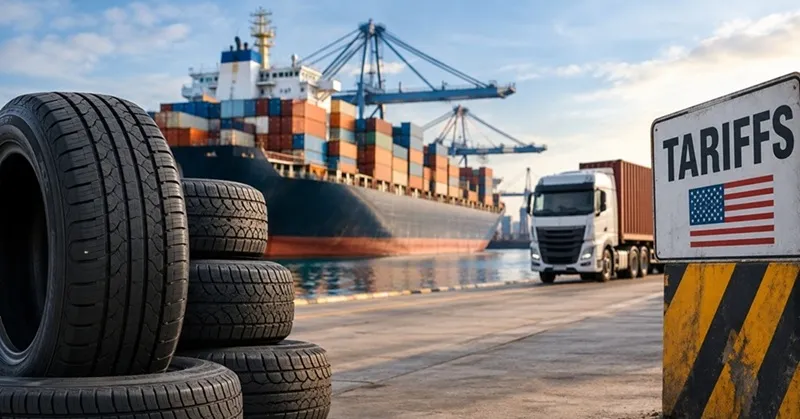
The Impact of Tariffs on the US Automotive Tire Import Market
U.S. tariff and trade measures are reshaping automotive tire imports, reducing reliance on China while increasing sourcing from Thailand, Mexico, Canada, Japan, and other suppliers. AD/CVD duties and new Section 301 actions are raising compliance and procurement costs, encouraging supply-chain diversification, nearshoring, and greater domestic tire production across the sector.

Top 11 Generative AI Companies in 2026: Products, Pricing, Funding, and Competitive Analysis
Generative AI is accelerating as leading companies release new frontier models, expand multimodal and agentic capabilities, and compete on performance, pricing, and enterprise adoption. This article compares 11 generative AI companies, including OpenAI, Anthropic, Google DeepMind, Microsoft, DeepSeek, Mistral AI, Perplexity AI, xAI, Meta AI, Sarvam AI, and Kimi AI.
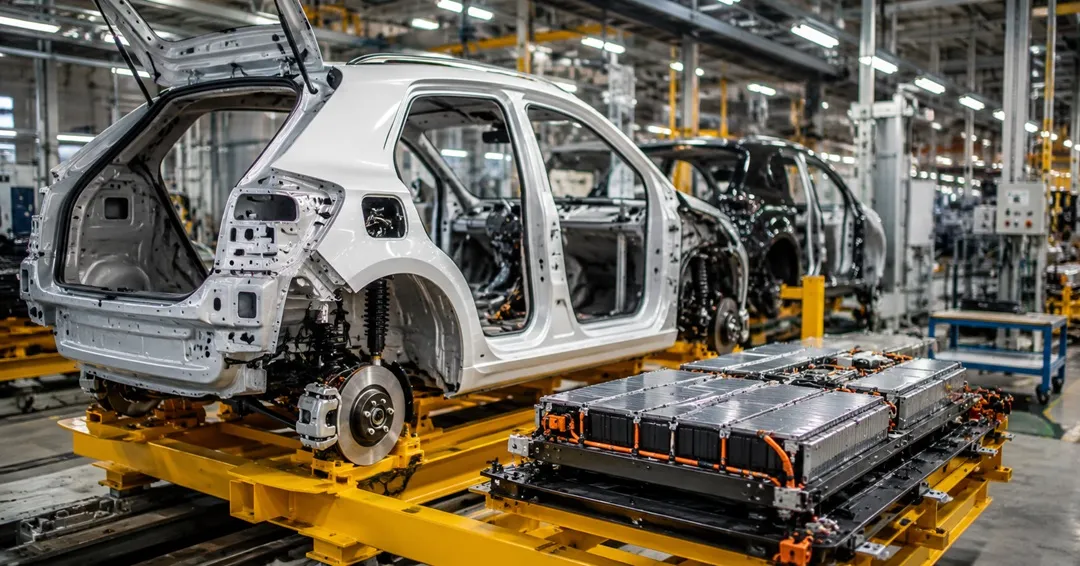
How Indian Automakers Are Leveraging Compact EV Platforms to Reduce Vehicle Costs
India’s electric vehicle market is shifting toward cost-efficient platform strategies. Tata Motors, Hyundai, Maruti Suzuki, and Mahindra are using modular or dedicated EV architectures to share components, optimize battery capacity, integrate powertrains, and improve manufacturing economics. These approaches could help lower upfront costs while maintaining range, safety, technology, and practicality for Indian buyers.
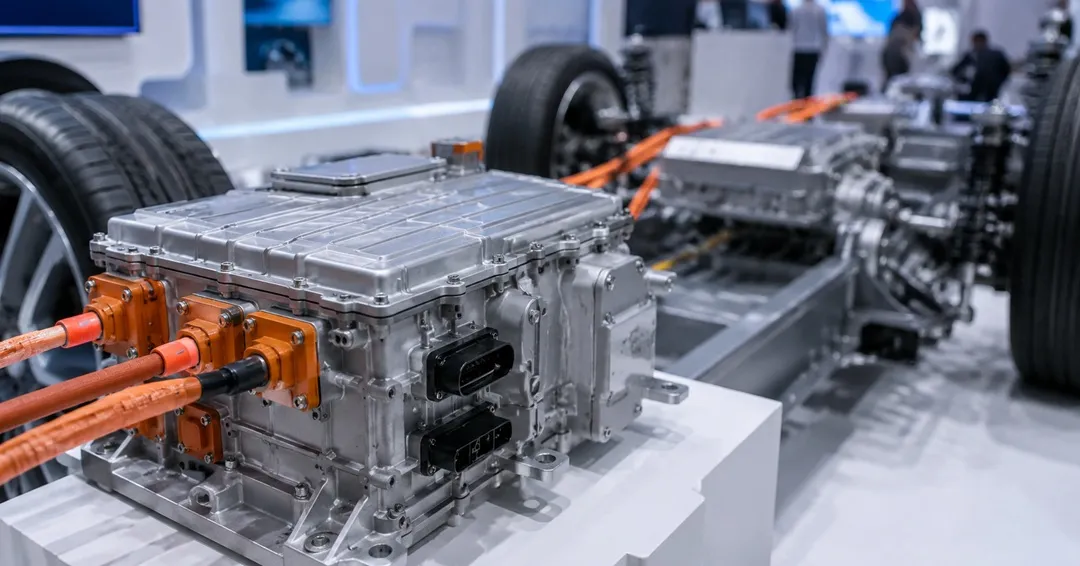
Why EV Inverters Could Become the New Battleground for India’s Automotive Electronics Industry
India’s EV transition is shifting attention from batteries toward traction inverters, where efficiency, software, thermal management, semiconductors and integration can shape vehicle economics. Growing EV volumes, policy support and semiconductor investments create opportunities for suppliers to localize inverter engineering and capture higher-value automotive electronics capabilities across two-wheelers, three-wheelers and cars.
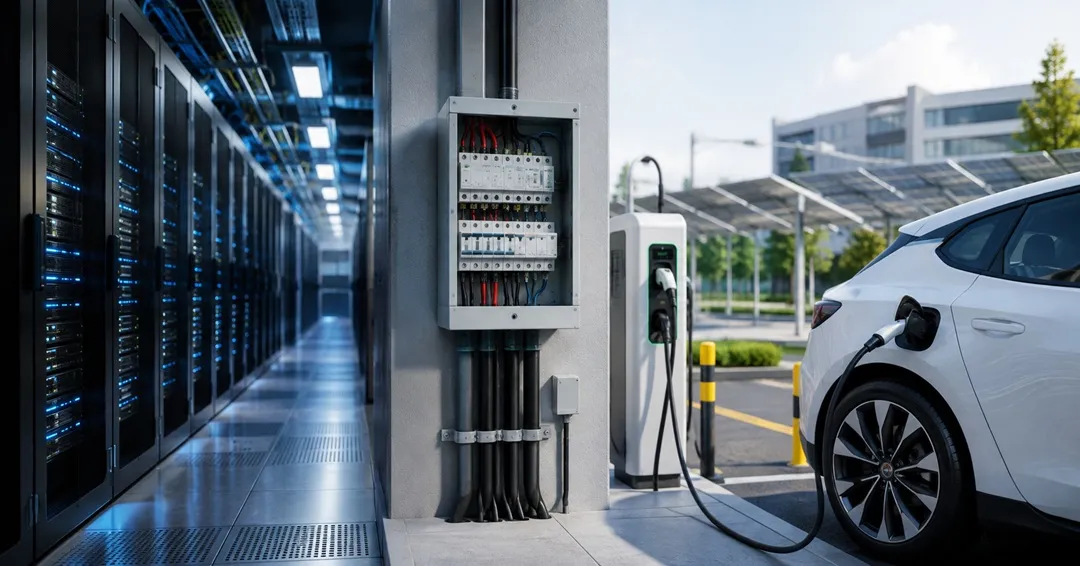
From Data Centers to EV Charging: Where Low-Voltage DC Distribution Is Making an Impact
Low-voltage DC distribution is gaining relevance as AI data centers, EV charging hubs, solar systems, and battery storage increase demand for efficient power architectures. The article examines 800 VDC standardization, conversion losses, protection challenges, and greenfield opportunities, highlighting why hybrid AC/DC systems could become increasingly important across high-power infrastructure applications.
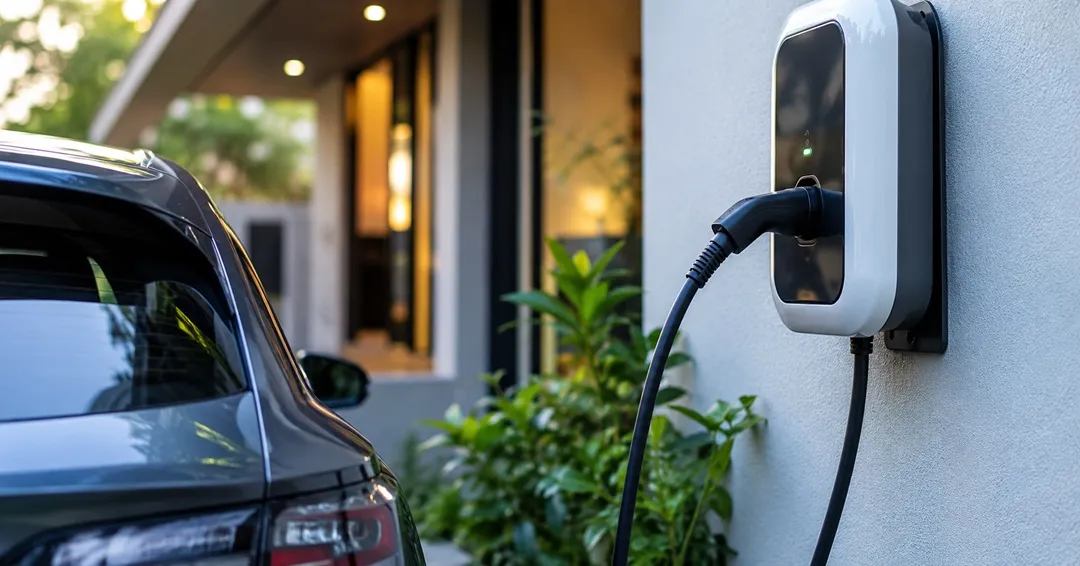
How EV Charger Manufacturers Can Capitalize on India’s Home Charging Revolution
India’s residential EV charging opportunity is expanding as policy support, EV adoption, and private parking infrastructure develop. Manufacturers can capture value beyond AC chargers through installation, smart charging, load management, solar integration, software, and after-sales services. Housing societies, automakers, and property developers offer scalable routes to residential charging customers.
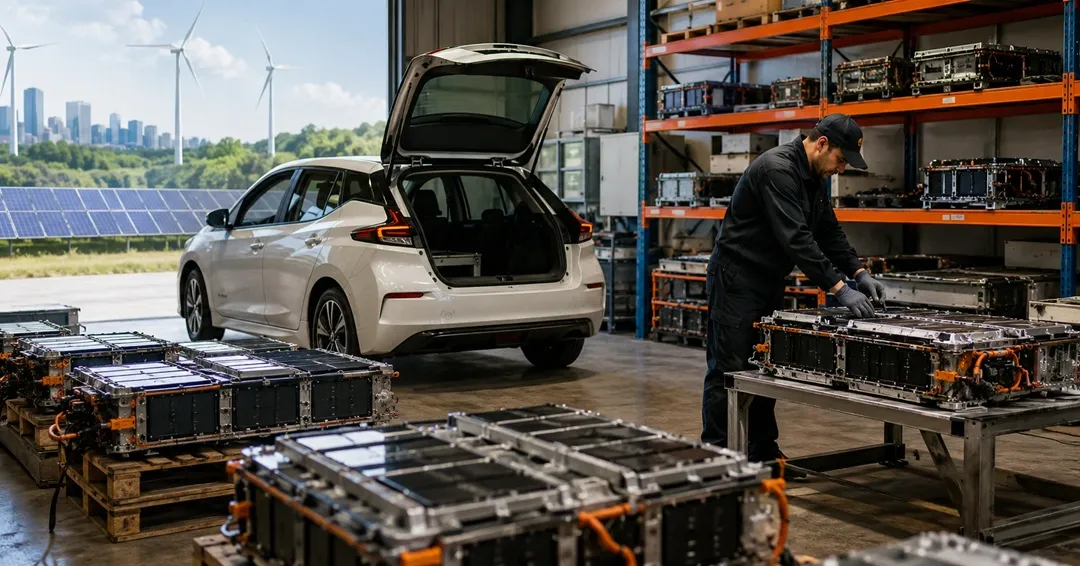
Second-Life EV Battery Market in India: What Is Driving Demand from Manufacturers?
India’s second-life EV battery market is gaining relevance as electric vehicle adoption expands and batteries retain useful capacity after automotive service. Growing stationary-storage demand, battery data, refurbishment capabilities, EPR obligations, and critical-mineral policies are encouraging manufacturers to extend battery value through reuse before eventual recycling within India’s emerging circular battery ecosystem.

The Rise of Locally Manufactured Battery Separators in India’s EV Ecosystem
India’s battery industry is progressing from pack assembly toward domestic cell and material manufacturing, creating opportunities for lithium-ion battery separators. Policy support, ACC capacity expansion and R&D initiatives are strengthening the ecosystem. However, technical complexity, manufacturing yields, qualification requirements and economics mean localisation will likely advance gradually through coatings, testing and finishing.
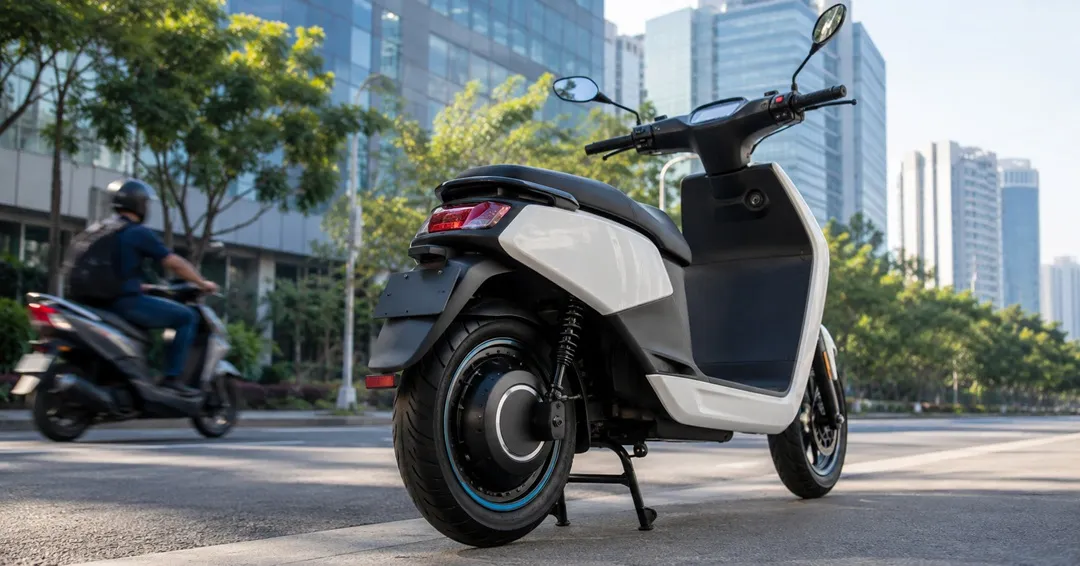
Why Hub Motors Are Becoming a Game Changer for India’s Electric Two-Wheeler Manufacturers
India’s electric two-wheeler market is increasingly prioritizing cost, efficiency, localization, and reliability. Hub motors are gaining relevance for commuter, fleet, and urban scooters because their simpler drivetrain architecture can reduce mechanical complexity and maintenance exposure. However, mid-drive systems will remain important for premium and performance-focused electric two-wheelers, supporting differentiated applications.
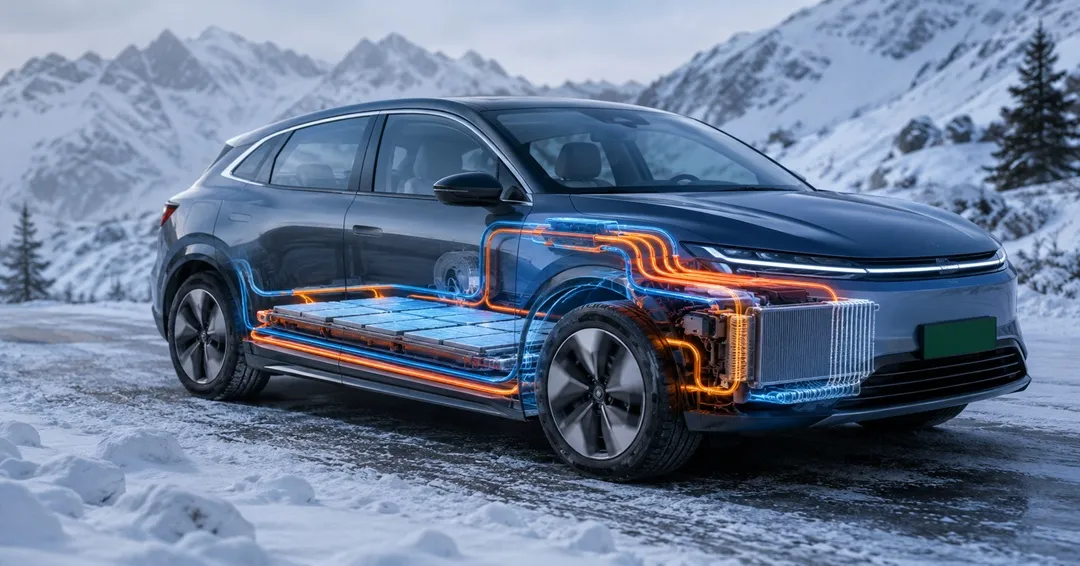
How Advanced Battery Thermal Management Is Transforming Cold-Weather EV Performance in India
Advanced battery thermal management is becoming increasingly important for India's EV market as vehicles operate across diverse temperature conditions. Adaptive heating, cooling, preconditioning, liquid thermal systems and intelligent software can improve range consistency, charging performance and battery durability, helping automakers deliver reliable, cost-effective EV performance across regions and vehicle segments.
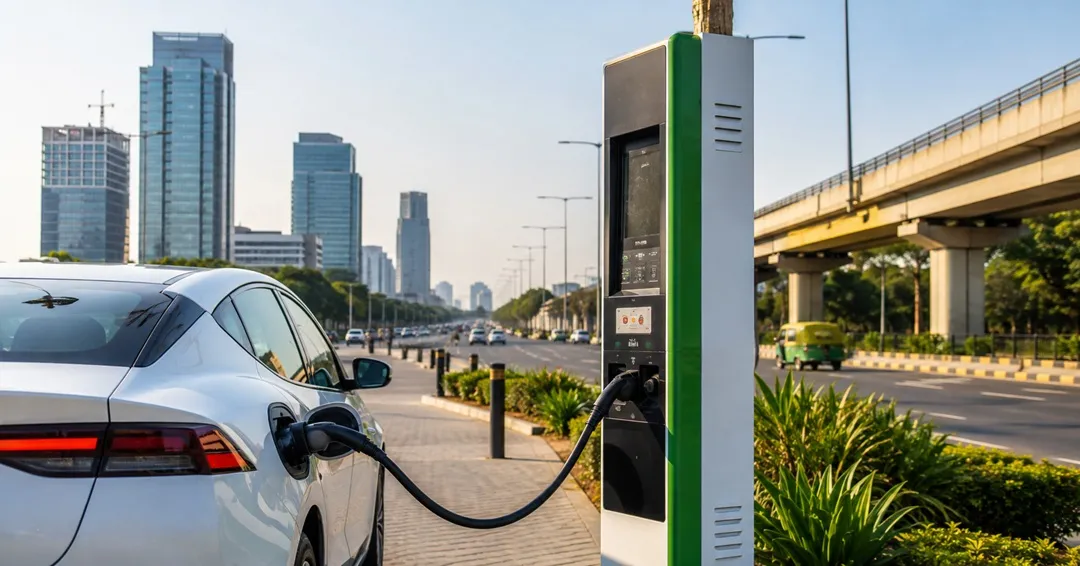
From Highways to Cities: How Top Companies Are Expanding EV Charging Across India
India’s EV charging network is expanding across highways and cities, supported by government funding and private investment. Growth depends on site availability, grid capacity, utilisation, uptime and interoperability. Leading operators are expanding diverse charging networks, while PM E-DRIVE funding supports further deployment toward a broader and more reliable national charging ecosystem.
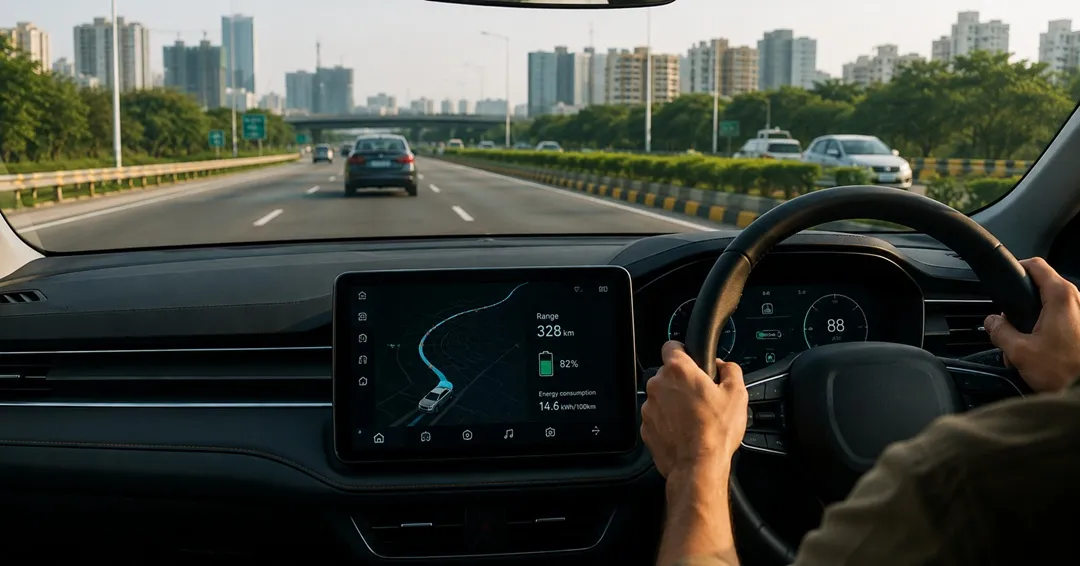
How AI Is Revolutionizing EV Range Prediction in India
AI is improving EV range prediction in India by combining battery condition, driving behaviour, traffic, route elevation, weather and vehicle data. The approach can provide more adaptive energy forecasts, support route and charging decisions, and improve fleet management. Hybrid physics-based and machine-learning models offer a practical path toward reliable prediction.