
Fracking Chemicals Fluids Market Size & Growth According to a research study published by Knowledge Sourcing Intelligence (KSI), the fracking chemi...
Fracking Chemicals Fluids Market Size & Growth
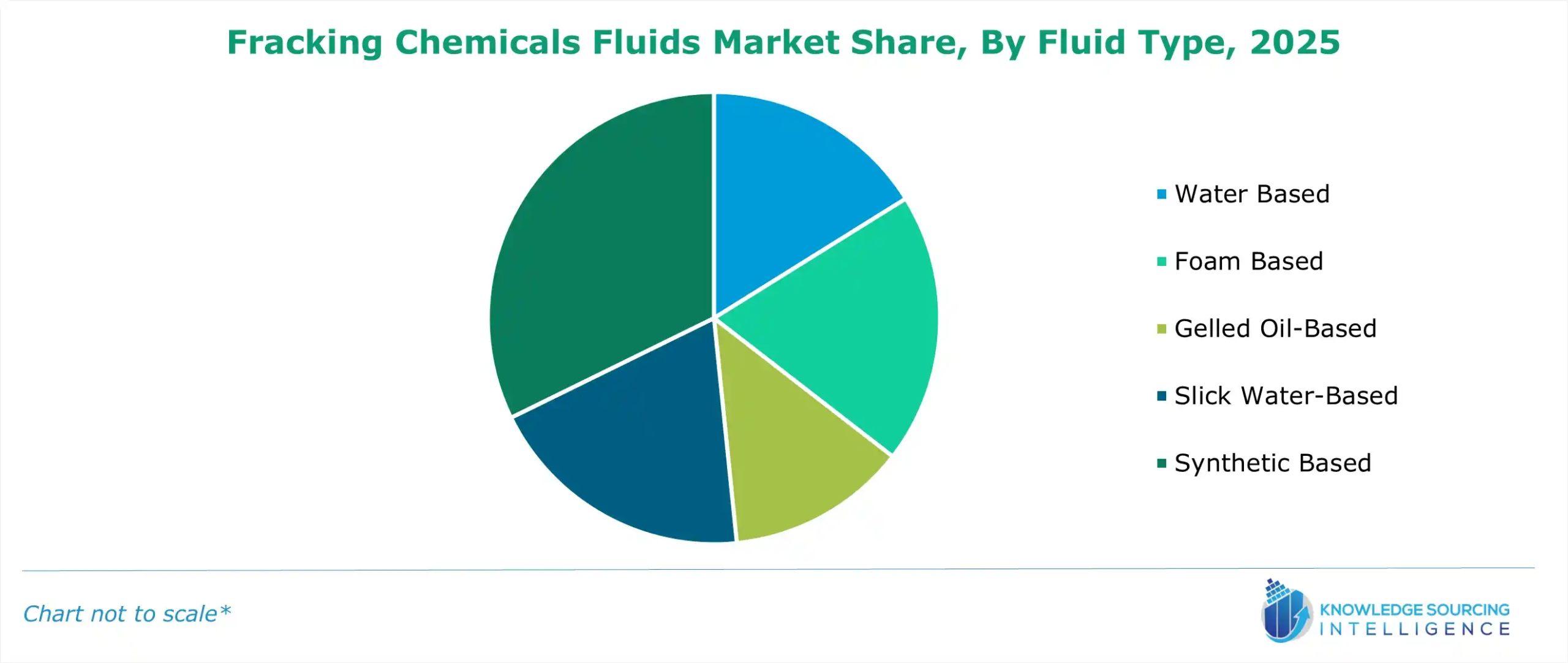
According to a research study published by Knowledge Sourcing Intelligence (KSI), the fracking chemicals fluids market will expand from USD 41.897 billion in 2025 to USD 58.253 billion in 2030 at a CAGR of 6.81% during the forecast period.The manufacturing and use of fracking or hydraulic fracturing chemical additives are the primary focus of the fracking chemicals fluids market, a specialist segment of the oil and gas business. In order to extract natural gas and oil from deep subterranean formations, hydraulic fracturing involves pumping a high-pressure fluid into rocks to cause cracks. Due to its success in obtaining unconventional resources, especially from shale formations, this approach has acquired a lot of traction. The worldwide need for energy, governmental regulations, and advancements in technology are some of the factors that affect the fracking chemicals industry. As worries about the effects on the environment have grown, more focus has recently been placed on creating chemical formulations that are less hazardous and more environmentally friendly. For example, because of public criticism over the safety of common fracking chemicals, firms are now using food-grade additives. Foam-based fracturing fluids are relatively recent substitutes for water-based fluids in terms of their low water consumption and proppant carrying capability. The difficulty of preserving stability in challenging reservoir conditions is another issue with these options. The dynamics of the market are influenced by ongoing research into nanotechnology and specialty surfactants to improve performance and safety requirements. The growing levels of regulatory scrutiny pertaining to hydraulic fracturing activities are one of the major factors affecting the market for fracking chemical fluids. Additionally, local and federal governments have imposed more regulations on fracking operations due to heightened re-evaluations of subsurface contamination by fracking chemicals and the potential for causing seismic activity. The fracking chemicals fluids market includes a wide range of fluid types including water based, foam based, gelled oil-based, slick water-based, synthetic based and others. By product, the market is segmented into borate cross-linked fluids, organometallic cross-linked fluids and aluminium phosphate ester oil gels. The market is further segmented based on function which include surfactant, scale inhibitor, friction reducer, corrosion inhibitor, biocide, crosslinker, gelling agent and others. ? View a sample of the report or purchase the complete study at: Fracking Chemicals Fluids Market Report
Fracking Chemicals Fluids Market Report Highlights
- In the hydraulic fracturing sector, water-based fracking fluids and chemicals are being used more and more as an ecologically acceptable substitute for conventional techniques. In order to generate a high-pressure mixture that cracks rock formations and releases oil or natural gas, these water-based solutions include water, sand, and other additives.
- Gelling agents are used in fracking fluids and chemicals to make the fluid more viscous, which is essential for proppants to be transported into the cracks made by hydraulic fracturing. These gelling chemicals maintain the fractures open and improve the flow of gas or oil by helping to suspend sand or other proppants in the fluid and distributing them uniformly across the fractures.
- Chemical fluids used in fracking are widely used as biocides, scale inhibitors, friction reducers, and surfactants. The need for fracking chemical fluids including corrosion inhibitors, crosslinkers, and gelling agents is rising along with the economies of Asia and Africa.
- The market for fracking chemicals fluids in North America is expanding significantly, mostly because to the region's tight oil deposits and plentiful shale gas. With states like Texas, New Mexico, and North Dakota playing a key role in extending crude oil reserves through sophisticated fracking procedures, the U.S. is anticipated to have the largest market share in North America.
Report Coverage:
| Report Metric | Details |
| Fracking Chemicals Fluids Market Size in 2025 | US$41.897 billion |
| Fracking Chemicals Fluids Market Size in 2030 | US$58.253 billion |
| Growth Rate | CAGR of 6.81% |
| Drivers |
|
| Restraints |
|
| Segmentation |
|
| List of Major Companies in Fracking Chemicals Fluids Market |
|
Fracking Chemicals Fluids Market Growth Drivers and Restraints
Growth Drivers:- Growing Global Demand for Energy: The growing industrialization and urbanization are promoting the consumption of energy globally, which is leading to unconventional oil and gas resources. This is promoting hydraulic fracturing for the extraction of these fluids, which boosts the market demand.
- Advancements in Drilling Technologies: the rise in improvement and technological advancement in drilling methodology, like hydraulic fracturing, is promoting the utilization of fracking fluid.
- Environmental and Health Concerns: The growing environmental concerns, which include groundwater contamination due to the chemical additives, like fracking chemical fluid, can limit the market.
- Shift Toward Renewable Energy: The increasing global shift towards renewable and cleaner energy sources can decrease the demand for fossil fuels such as oil and gas produced through fracking, which could hamper the market.
Fracking Chemicals Fluids Market Key Development
- Collaboration: In January 2025, Halliburton Energy Services collaborated with Coterra Energy Inc. to introduce the launch of its autonomous hydraulic fracturing technology, which is Octiv Auto Frac Service in North America.
Fracking Chemicals Fluids Market Segmentation
Knowledge Sourcing Intelligence has segmented the fracking chemicals fluids market based on fluid type, product type, function, and application: Fracking Chemicals Fluids Market, By Fluid Type- Water Based
- Foam Based
- Gelled Oil-Based
- Slick Water-Based
- Synthetic Based
- Others
- Borate Cross-Linked Fluids
- Organometallic Cross-Linked Fluids
- Aluminium Phosphate Ester Oil Gels
- Surfactant
- Scale Inhibitor
- Friction Reducer
- Corrosion Inhibitor
- Biocide
- Crosslinker
- Gelling Agent
- Others
- Oil and Gas
- Oil Well
- Shale Gas Well
- Horizontal Well
- Mining
- Others
- North America
- USA
- Canada
- Mexico
- South America
- Brazil
- Argentina
- Others
- Europe
- United Kingdom
- Germany
- France
- Italy
- Spain
- Others
- Middle East and Africa
- Saudi Arabia
- UAE
- Others
- Asia Pacific
- China
- Japan
- India
- South Korea
- Taiwan
- Thailand
- Indonesia
- Others
Fracking Chemicals Fluids Market Key Players
- BASF SE
- Baker Hughes, a GE Company LLC
- Schlumberger Limited
- Halliburton
- DuPont
- Ashland
- Calfrac Well Services Ltd.
- Clariant
- Weatherford
About Knowledge Sourcing Intelligence (KSI)
Knowledge Sourcing Intelligence (KSI) is a market research and consulting firm headquartered in India. Backed by seasoned industry experts, we offer syndicated reports, customized research, and strategic consulting services. Our proprietary data analytics framework, combined with rigorous primary and secondary research, enables us to deliver high-quality insights that support informed decision-making. Our solutions empower businesses to gain a competitive edge in their markets. With deep expertise across ten key sectors, including ICT, Chemicals, Semiconductors, and Healthcare, we effectively address the diverse needs of our global clientele.Have questions?
More Press Releases
Lifestyle-Associated Cancer Epidemiology Market is expected to reach USD 13.12 billion by 2031
The worldwide market for lifestyle-associated cancer epidemiology is expected to expand rapidly, owing to the rising global awareness of modifiable risk factors such as tobacco use, obesity, poor diet, alcohol consumption, and physical inactivity, which together contribute significantly to cancer incidence. Health organizations, along with research institutions, are investing in enhanced surveillance, behavioral risk monitoring, cancer registries, and prevention strategies to address the growing burden of preventable cancers. In recent years, the World Health Organization and several national bodies have emphasized data-driven epidemiology. These initiatives support targeted interventions, policy measures, and screening programs. Additionally, the widespread adoption of digital epidemiology tools, precision prevention approaches, and AI-powered analytics is fueling the demand for robust epidemiology infrastructure worldwide.
Psycho-Oncology Digital Health Market is anticipated to surpass USD 290.01 million in 2031 at a CAGR of 8.5%
The psycho-oncology digital health market is expanding as healthcare providers increasingly integrate digital mental health solutions into cancer care. Growing demand for AI-driven platforms, digital cognitive behavioral therapy, telehealth, and mobile applications is improving access to psychological support. North America leads the market, while Asia Pacific is expected to witness the fastest growth.
Intratumoral Injection Therapy Market is expected to reach USD 630.39 million by 2031
The worldwide market for Intratumoral Injection Therapy is expected to experience substantial growth in the market due to the increasing demand for localized cancer treatments that are essential in enhancing therapeutic efficacy while also minimizing systemic toxicity. Intramural injection therapy is often involved with direct administration of therapeutic agents into tumors, which enables high local drug concentrations and targets immune activation. Growing interest in gene therapies, cancer immunotherapy, and on-politic viruses, including cytokine-based therapies are also accelerating market expansion.