India's EV industry is increasingly driven by advanced battery technologies rather than vehicle launches alone. Innovations in battery chemistry, domestic cell manufacturing, battery management systems, fast charging, recycling, and localized supply chains are strengthening performance, safety, and sustainability, positioning India to build a resilient and globally competitive electric mobility ecosystem.
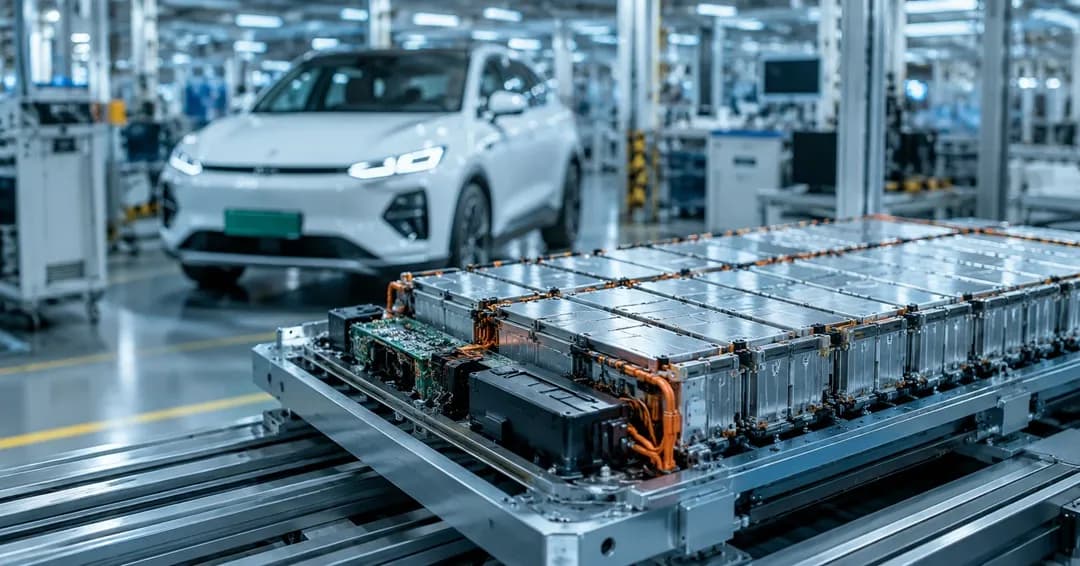
India's electric vehicle (EV) industry has reached a point where the conversation is no longer centred solely on vehicle launches or charging infrastructure. The focus is steadily shifting toward the technology that determines whether electric mobility can become commercially sustainable at scale, the battery. Over the past few years, battery technology has evolved from being a technical specification buried in product brochures to one of the most influential factors shaping purchasing decisions, manufacturing investments, government policy, and long-term industrial competitiveness.
This shift is hardly surprising. Batteries account for approximately 30-40% of an electric vehicle's overall cost, depending on the vehicle segment and battery chemistry, while directly influencing driving range, charging speed, vehicle safety, maintenance requirements, and resale value. For manufacturers, they determine production economics and supply chain strategies. For policymakers, they represent an opportunity to reduce dependence on imported fossil fuels while simultaneously building an advanced manufacturing ecosystem. Few components carry this level of strategic importance across so many parts of the economy.
Unlike several developed automotive markets that built mature battery supply chains before electric vehicle adoption accelerated, India is attempting both transitions simultaneously. The country is expanding EV adoption while supporting domestic Advanced Chemistry Cell (ACC) manufacturing through initiatives such as the Production Linked Incentive (PLI) scheme, alongside investments in battery materials, recycling, and research capabilities. That dual transformation presents obvious challenges, but it also creates room for technological leapfrogging. Instead of replicating every stage of battery evolution witnessed elsewhere, Indian manufacturers have an opportunity to adopt newer chemistries, smarter manufacturing practices, and more localized supply chains from the outset.
As the market matures, competition is gradually moving beyond vehicle design and pricing. Increasingly, it is battery innovation that separates manufacturers capable of delivering long-term value from those relying solely on aggressive pricing strategies. Battery performance, lifecycle cost, software-driven battery management, and supply-chain resilience are becoming important competitive differentiators alongside vehicle design. The next phase of India's electric mobility journey will therefore be shaped less by the number of electric vehicles entering the market and more by the sophistication of the batteries powering them.
Why Batteries Have Become the Center of India's EV Story
One of the defining characteristics of India's EV market is that battery requirements differ significantly from those in Europe, North America, or even China. Climatic conditions, consumer behaviour, urban traffic patterns, and purchasing power create a unique operating environment that demands localized technological solutions.
Indian vehicles frequently operate in temperatures exceeding 40°C during summer months. Urban commuters often spend long periods in slow-moving traffic where repeated acceleration and braking generate additional thermal stress. Commercial vehicles, particularly electric three-wheelers and buses, typically remain on the road for extended hours each day, placing greater emphasis on durability than maximum driving range.
These operating conditions influence battery design priorities in meaningful ways. While consumers naturally appreciate longer driving ranges, many fleet operators are equally concerned about battery longevity, predictable degradation, maintenance costs, and operational reliability. A battery capable of surviving several thousand charging cycles with consistent performance may prove more valuable than one offering marginally higher range but shorter usable life.
This distinction explains why discussions around advanced battery technologies in India often differ from those taking place in mature EV markets. Rather than pursuing the highest possible energy density alone, manufacturers increasingly seek balanced solutions that combine affordability, thermal stability, safety, and long-term durability.
Another factor reshaping the battery landscape is consumer awareness. Buyers today ask more informed questions than they did only a few years ago. Instead of simply comparing vehicle prices, many now evaluate warranty periods, battery chemistry, charging times, expected lifespan, replacement costs, battery safety certifications, ingress protection (IP) ratings where applicable, and replacement costs before making purchasing decisions. This growing awareness is encouraging manufacturers to compete on technological merit rather than marketing claims alone.
The battery has effectively become the defining characteristic of an electric vehicle. Everything else, from performance to ownership costs, depends upon how effectively that battery performs over time.
The Shift Toward Advanced Battery Chemistries
Comparison of Advanced Battery Technologies for India's EV Market
Battery Technology | Key Advantages | Limitations | Most Suitable Applications in India |
Lithium Iron Phosphate (LFP) | Excellent thermal stability, long cycle life, relatively lower cost | Lower energy density than NMC | Electric buses, commercial fleets, entry-level passenger EVs, two-wheelers |
Nickel Manganese Cobalt (NMC) | High energy density, longer driving range | Higher material cost, dependence on nickel and cobalt | Premium passenger EVs |
Sodium-Ion | Abundant raw materials, reduced dependence on lithium and cobalt, good thermal stability and safety | Lower energy density than current lithium-ion batteries | Two-wheelers, three-wheelers, stationary energy storage |
Solid-State Batteries | Potential for higher energy density, improved safety and faster charging | Commercial-scale manufacturing remains limited and production costs remain high | Future premium EVs and specialised applications |
Battery chemistry has become one of the most closely watched areas of innovation within India's EV sector. While lithium-ion technology remains dominant, the industry is increasingly diversifying its approach instead of relying on a single chemical composition for every vehicle category.
Among the available chemistries, lithium iron phosphate (LFP) has gained considerable momentum across India. The reasons extend beyond simple cost considerations. LFP batteries offer excellent thermal stability, relatively long cycle life, and lower dependence on critical minerals such as nickel and cobalt. These characteristics align well with India's climatic conditions and commercial mobility requirements.
Fleet operators have been particularly receptive to LFP technology because operational economics often outweigh concerns regarding absolute driving range. A delivery vehicle or passenger three-wheeler completing multiple trips each day benefits more from durability and predictable performance than from an additional 50 or 60 kilometres of range that may rarely be utilised.
Passenger vehicles, however, present a somewhat different picture.
Manufacturers targeting premium electric cars continue to rely extensively on nickel manganese cobalt (NMC) batteries due to their higher energy density. These batteries allow vehicles to travel longer distances between charging sessions, an important selling point for consumers who frequently undertake intercity travel or remain concerned about charging availability.
Yet NMC batteries introduce their own set of challenges. Their dependence on nickel and cobalt exposes manufacturers to fluctuating commodity prices and geopolitical risks associated with mineral supply chains. Cobalt sourcing has also attracted increasing environmental and ethical scrutiny worldwide, prompting automakers to explore alternative chemistries capable of reducing reliance on scarce raw materials.
Alongside LFP and NMC batteries, sodium-ion technology has moved from laboratory development toward early commercial deployment in selected global applications. Although it is not yet widely used in passenger EVs, the technology is attracting attention for cost-sensitive mobility segments and stationary energy storage because it relies on more abundant raw materials.
This is gradually changing investment priorities.
Instead of searching for one universally superior battery chemistry, manufacturers are recognizing that different vehicle segments require different technological solutions. Entry-level scooters, premium passenger cars, electric buses, commercial delivery vehicles, and stationary storage systems all operate under distinct economic and technical constraints. Consequently, chemistry diversification is becoming a competitive advantage rather than a source of complexity.
The future of India's battery market is therefore unlikely to be defined by a single dominant chemistry. Instead, it will probably consist of multiple battery technologies optimized for specific applications.
Domestic Cell Manufacturing and Supply Chain Localization
One of the most important developments within India's battery ecosystem is the growing emphasis on domestic cell manufacturing. Until recently, the country's EV industry depended heavily on imported lithium-ion cells, particularly from East Asian manufacturers. Indian companies assembled battery packs locally but remained dependent on overseas suppliers for the most technologically sophisticated part of the battery.
That model enabled relatively rapid market expansion, but it also exposed manufacturers to currency fluctuations, international shipping disruptions, and supply chain uncertainties.
Recent global events highlighted these vulnerabilities with remarkable clarity. Pandemic-related disruptions, rising freight costs, geopolitical tensions, and periodic shortages of critical minerals all demonstrated the risks associated with concentrated international supply chains. Battery manufacturers and vehicle producers suddenly found themselves competing for limited cell supplies while navigating unpredictable logistics networks.
These experiences accelerated India's efforts to build domestic manufacturing capabilities.
The Government of India has continued to support domestic Advanced Chemistry Cell (ACC) manufacturing under the Production Linked Incentive (PLI) programme, while several Indian companies have announced or advanced plans for large-scale cell manufacturing facilities and integrated battery value chains. These investments are intended to reduce import dependence and strengthen India's long-term battery manufacturing ecosystem.
However, manufacturing battery cells represents a far more complex undertaking than assembling battery packs.
Cell production demands precise control over chemical formulations, humidity, temperature, material purity, coating thickness, and quality assurance throughout the manufacturing process. Even minor variations can significantly influence battery performance, lifespan, and safety.
As a result, financial investment alone is insufficient.
Developing a competitive domestic battery industry also requires advanced manufacturing expertise, specialized equipment, skilled engineering talent, and close collaboration between industry and research institutions. Technology transfer partnerships, international collaborations, and workforce development programmes are therefore becoming just as important as factory construction itself.
Localization extends beyond battery cells as well.
Manufacturers are increasingly evaluating opportunities to produce battery packs, thermal management systems, electronic control units, battery management hardware, power electronics, and related components within India. Over time, greater localization could reduce production costs while strengthening supply chain resilience and creating high-value employment opportunities across multiple industries.
Nevertheless, complete self-sufficiency remains unrealistic in the near future.
Many critical minerals required for advanced batteries, including lithium, nickel, and cobalt, are unevenly distributed across the world. India will continue relying on international partnerships for raw material procurement while gradually expanding domestic processing, recycling, critical mineral partnerships, and manufacturing capabilities. In practice, success is more likely to come from building diversified global supply networks than from pursuing complete independence.
Battery Management Systems: The Intelligence Behind Modern Batteries
While battery chemistry attracts most public attention, another technology quietly determines how efficiently those batteries perform throughout their operational life, the battery management system (BMS).
Modern batteries are no longer passive energy storage devices. They function as highly monitored, digitally managed systems capable of generating enormous amounts of operational data. The BMS acts as the central nervous system that continuously supervises battery health, balancing individual cells, monitoring temperatures, controlling charging rates, and preventing conditions that could compromise safety.
Its role extends far beyond protection alone.
Sophisticated battery management systems optimize charging behaviour, estimate remaining battery life, predict maintenance requirements, and maximize usable energy without accelerating degradation. For commercial fleet operators, these capabilities translate directly into lower operating costs and reduced vehicle downtime.
Predictive diagnostics have become particularly valuable.
Instead of waiting for battery performance to deteriorate, advanced monitoring systems can identify early signs of imbalance or abnormal behaviour, allowing maintenance teams to intervene before small issues develop into costly failures. This approach improves fleet availability while extending battery lifespan, an outcome that significantly enhances total cost of ownership.
Battery management systems are also becoming increasingly software-driven.
Artificial intelligence, machine learning, cloud connectivity, and over-the-air (OTA) software updates are increasingly being integrated into battery management systems. These capabilities enable continuous monitoring, more accurate state-of-charge (SOC) and state-of-health (SOH) estimation, predictive maintenance, adaptive charging strategies, and remote diagnostics based on real-world operating conditions.
This evolution reflects a broader shift occurring throughout the electric vehicle industry.
Competitive advantage is no longer determined solely by mechanical engineering or electrochemistry. Software intelligence is becoming equally important. Manufacturers capable of integrating advanced battery management algorithms with reliable hardware may ultimately achieve better real-world battery performance than competitors relying exclusively on superior chemistry.
As vehicle connectivity improves, battery management systems are also becoming integral to fleet management platforms, allowing operators to optimise charging schedules, monitor battery health remotely, and reduce operational downtime.
In many respects, the future of battery innovation will depend as much on digital intelligence as on advances in materials science.
Fast Charging and Thermal Management: Balancing Speed with Battery Health
One of the most persistent concerns among prospective EV buyers in India is charging convenience. While charging infrastructure continues to expand across major cities and highways, consumers increasingly expect charging times that approach the convenience of conventional fuel refilling.
Meeting those expectations, however, presents a significant engineering challenge.
Fast charging introduces substantially higher electrical currents into battery cells, generating additional heat and accelerating electrochemical reactions. Without effective thermal management, repeated high-speed charging can shorten battery life, reduce usable capacity, and increase safety risks.
Manufacturers therefore face a difficult balancing act. Consumers want shorter charging times, but excessive charging speeds can compromise long-term battery durability if not managed carefully.
Rather than relying on a single solution, companies are pursuing improvements across multiple areas.
Researchers are developing advanced electrode materials that allow ions to move more efficiently during charging. Electrolyte formulations are being refined to withstand greater thermal stress, while cooling systems are becoming more sophisticated through the use of liquid cooling technologies and improved heat dissipation materials.
Battery pack architecture is also evolving. Engineers are redesigning cell layouts and internal structures to distribute heat more evenly, reducing localized hotspots that can accelerate degradation.
Equally important is the role of intelligent charging software. Modern charging systems increasingly communicate with battery management systems to regulate charging speeds based on battery temperature, state of charge, and ambient conditions. Rather than maintaining maximum charging power throughout the entire process, these systems dynamically adjust charging rates to preserve battery health without unnecessarily increasing charging times.
Several vehicle manufacturers are also adopting battery pre-conditioning systems that prepare battery packs for high-power charging by bringing them to their optimal operating temperature before charging begins, improving charging efficiency while helping to minimise long-term degradation.
For India, where summer temperatures routinely place additional thermal stress on batteries, these innovations are particularly important. Fast charging cannot simply be viewed as a matter of delivering more power. It must also account for local environmental conditions, vehicle usage patterns, and long-term reliability.
As charging networks continue to expand, the companies capable of balancing charging speed with battery longevity are likely to gain a meaningful competitive advantage in an increasingly crowded EV market.
Solid-State Batteries: Promise, Progress, and Practical Challenges
Few battery technologies have generated as much anticipation as solid-state batteries. Industry discussions frequently describe them as the next major breakthrough capable of transforming electric mobility, and the underlying science certainly supports that optimism. By replacing conventional liquid electrolytes with solid materials, these batteries have the potential to deliver higher energy density, improved safety, faster charging capabilities, and longer operational life.
If these advantages can be realized at commercial scale, the implications for India's EV market would be considerable. Passenger vehicles could achieve longer driving ranges without increasing battery size, while reduced fire risks would further strengthen consumer confidence. Commercial fleets could also benefit from improved durability and shorter charging cycles, making electric mobility even more attractive from a total cost of ownership perspective.
Yet expectations must be balanced with commercial reality.
Developing a successful laboratory prototype is fundamentally different from producing millions of battery cells at competitive costs. Manufacturing solid-state batteries involves complex material engineering, highly specialized production techniques, and quality control standards that remain challenging even for established battery manufacturers. Several technical issues, including interface stability, manufacturing scalability, and production yield, continue to limit widespread commercialization.
This does not mean the technology lacks potential. On the contrary, research activity has accelerated significantly across global automotive and battery industries. Automakers, chemical companies, and research institutions continue to invest heavily in overcoming these barriers because the long-term rewards remain substantial.
Several global automakers have announced pilot production lines and limited commercial deployment plans for solid-state batteries later this decade. However, large-scale commercial adoption remains dependent on manufacturing scalability, cost reductions, and long-term reliability validation.
For India, the more realistic outlook is gradual participation rather than immediate large-scale deployment. Domestic companies are increasingly collaborating with international technology partners while expanding research in advanced battery materials. Pilot projects and demonstration facilities are likely to emerge before commercial adoption becomes widespread.
In practical terms, conventional lithium-ion batteries are expected to remain the dominant technology across most vehicle categories for the foreseeable future. Near-term improvements are more likely to come from incremental advances in lithium-ion chemistries, manufacturing efficiency, battery software, and thermal management than from an immediate transition to solid-state batteries.
Sodium-Ion Batteries: A Strategic Opportunity for India
While solid-state batteries attract considerable media attention, sodium-ion technology is quietly gaining momentum as a practical alternative for specific applications. Although these batteries currently offer lower energy density than lithium-ion systems, they possess characteristics that make them particularly relevant for India's evolving mobility landscape.
The most obvious advantage lies in raw material availability.
Unlike lithium, sodium is abundant and widely distributed across the world. This reduces long-term concerns regarding mineral scarcity and supply chain concentration. Sodium-ion batteries also eliminate or significantly reduce dependence on several critical minerals whose prices have experienced considerable volatility in recent years.
From India's perspective, this carries strategic significance. The country's battery ambitions are constrained not by manufacturing capability alone but also by access to raw materials. Technologies that reduce reliance on imported critical minerals could strengthen supply chain resilience while supporting more predictable manufacturing costs.
There are, however, clear limitations.
Lower energy density means sodium-ion batteries store less energy within the same physical space. As a result, they are currently less suitable for premium passenger vehicles where long driving range remains an important purchasing criterion.
That does not diminish their commercial relevance.
Electric scooters used for urban commuting, three-wheelers operating fixed routes, and stationary energy storage systems may not require exceptionally high energy density. For these applications, affordability, durability, and material availability can outweigh absolute performance.
Recent commercial deployments outside India indicate that sodium-ion batteries are becoming increasingly viable for selected mobility and stationary storage applications. As manufacturing scales improve and costs decline, the technology could provide an additional battery option for cost-sensitive vehicle segments, particularly where long driving range is not the primary requirement.
Sodium-ion technology therefore has the potential to complement rather than replace lithium-ion batteries.
Such diversification may ultimately prove advantageous for India's transportation ecosystem. Instead of depending upon one dominant chemistry, manufacturers can deploy different technologies according to vehicle type, usage pattern, and customer requirements. This approach not only improves commercial flexibility but also reduces systemic risks associated with relying on a single supply chain.
Strengthening Battery Safety Through Better Engineering and Regulation
Battery safety has become one of the defining issues in India's electric vehicle industry. A series of battery-related fire incidents involving electric two-wheelers attracted widespread public attention and understandably raised concerns among consumers. Although subsequent investigations pointed to multiple contributing factors, including manufacturing quality, thermal management, component integration, and operating conditions, the incidents underscored the importance of robust engineering standards.
The industry's response has been both swift and significant.
Manufacturers have invested in stronger battery enclosures, improved cooling systems, enhanced cell monitoring, and more comprehensive testing procedures. Attention has shifted from simply increasing battery capacity to ensuring that batteries maintain stable performance throughout their operating life under India's demanding environmental conditions.
Battery management systems have also assumed a more critical safety role. Continuous monitoring of temperature, voltage fluctuations, charging behaviour, and cell balance enables early detection of abnormal conditions before they develop into more serious failures. These systems are becoming increasingly sophisticated, integrating predictive diagnostics that allow manufacturers and fleet operators to identify potential issues well in advance.
Regulatory standards have evolved alongside these technological improvements.
India has strengthened battery safety requirements through updated Automotive Industry Standards (AIS), including the revised AIS-156 and AIS-038 standards, which introduced stricter testing requirements for thermal propagation, vibration resistance, water ingress protection, battery management systems, and battery pack durability. These measures have raised the safety benchmark for electric vehicles sold in the country.
Although stricter regulations initially increase manufacturing costs, they contribute to greater market stability over the long term. Consumers are far more likely to embrace electric mobility when they perceive battery systems as reliable and well regulated. In emerging industries, trust often develops more slowly than technology, and maintaining that trust requires continuous investment in quality rather than occasional corrective measures.
Battery Recycling and the Emergence of a Circular Economy
As electric vehicle adoption accelerates, attention is gradually shifting toward what happens after batteries complete their automotive life cycle. This question is becoming increasingly important because today's EV batteries contain valuable materials that remain economically useful even after their performance declines below automotive requirements.
Recycling has therefore moved from being a future environmental objective to an immediate industrial opportunity.
Lithium, nickel, cobalt, copper, aluminium, and graphite can all be recovered through advanced recycling processes. Recovering these materials reduces dependence on newly mined resources while improving resource efficiency across the battery value chain. For a country seeking greater supply chain resilience, recycling offers both environmental and economic advantages.
India's Battery Waste Management Rules are encouraging producers to establish collection systems, meet extended producer responsibility (EPR) obligations, and increase investment in battery recycling infrastructure. These measures are expected to support the development of a more organised battery recycling ecosystem as EV adoption grows.
India is witnessing growing investment in battery recycling infrastructure, with companies adopting increasingly sophisticated recovery technologies capable of extracting high-value materials at commercial scale. While recycling volumes remain relatively modest today, they are expected to increase steadily as larger numbers of electric vehicles reach the end of their first battery life.
Second-life applications add another dimension to this evolving ecosystem.
A battery removed from an electric vehicle is not necessarily unsuitable for further use. Although it may no longer provide the performance required for automotive applications, it often retains sufficient capacity for less demanding roles such as stationary energy storage, renewable energy integration, telecommunications backup systems, or commercial power management.
Extending battery utilization before recycling improves overall lifecycle economics while reducing waste generation. This sequential use of battery assets reflects the broader principles of a circular economy, where materials remain productive for as long as possible before being recovered and reintroduced into manufacturing.
Growing renewable energy deployment in India is also creating opportunities for second-life batteries to support distributed energy storage, commercial backup power systems, and grid-balancing applications.
Investment Trends Shaping the Next Phase of Battery Innovation
Investment patterns within India's battery sector reveal a noticeable shift in industry priorities. Early investments focused primarily on vehicle assembly and charging infrastructure, reflecting the immediate need to establish an operational EV ecosystem. Today, capital is increasingly flowing toward technologies that improve battery performance, manufacturing efficiency, and long-term competitiveness.
Cell manufacturing facilities represent one important area of expansion, but they are only part of a much broader investment landscape.
Companies are investing in advanced materials research, battery analytics software, manufacturing automation, thermal management systems, precision engineering, and recycling technologies. Research institutions are expanding programmes in electrochemistry, materials science, and battery diagnostics, while universities are strengthening collaborations with industry partners to accelerate technology development.
This diversification of investment is significant because sustained innovation rarely depends upon a single breakthrough. Competitive advantage typically emerges from numerous incremental improvements across manufacturing processes, software capabilities, material engineering, and product integration.
International partnerships continue to play an essential role as well.
No country currently controls every stage of the battery value chain. Raw material extraction, chemical processing, equipment manufacturing, and cell production remain geographically distributed.
Indian companies are increasingly pursuing international partnerships covering critical mineral sourcing, battery technology development, recycling, and advanced manufacturing, reflecting the industry's focus on strengthening long-term supply-chain resilience rather than relying on a single source of technology or raw materials.
Rather than pursuing complete self-sufficiency, manufacturers appear to be building a more diversified and resilient ecosystem capable of adapting to changing market conditions.
This balanced approach may ultimately prove more sustainable than attempting to localize every component of an inherently global industry.
Looking Beyond the Battery: Building a Complete Innovation Ecosystem
The future of India's battery industry will depend on far more than chemistry alone. Success will increasingly require coordination across manufacturing, digital technologies, infrastructure development, workforce training, and public policy.
Software will continue playing a larger role in battery optimization through predictive maintenance, intelligent charging, and real-time performance monitoring. Artificial intelligence is already being integrated into battery management systems to improve charging strategies and extend battery life based on actual usage patterns rather than standardized assumptions.
Manufacturing processes are also expected to become more automated and data-driven. Precision production, advanced quality control systems, digital twins, and AI-assisted inspection technologies will be necessary to achieve the consistency required for large-scale battery production.
Equally important is the availability of skilled talent.
Battery engineering combines expertise from chemistry, electronics, mechanical engineering, software development, manufacturing science, and data analytics. Developing this multidisciplinary workforce will require continued collaboration between industry, universities, research institutions, and government agencies.
Innovation ecosystems rarely emerge from isolated investments. They evolve through sustained interaction between scientific research, industrial production, entrepreneurial activity, and supportive public policy. India's progress in battery technology will likely depend upon maintaining this collaborative environment over the coming decade.
Conclusion
Advanced battery technologies have become the cornerstone of India's electric vehicle ambitions, influencing nearly every aspect of the industry's evolution. What began as a conversation focused primarily on vehicle electrification has matured into a broader discussion about manufacturing capability, technological innovation, supply chain resilience, and industrial competitiveness.
The coming years are unlikely to be defined by one revolutionary battery chemistry replacing every existing technology. Instead, progress will probably emerge through continuous improvements across multiple fronts. Lithium-ion batteries will become safer, more efficient, and less expensive. Alternative chemistries such as sodium-ion will find commercially viable applications in selected market segments. Solid-state batteries are expected to progress through pilot-scale manufacturing and limited commercial deployment before broader market adoption.
At the same time, software-driven battery management, intelligent charging systems, recycling infrastructure, and localized manufacturing will become equally important components of the industry's growth story. The battery ecosystem is expanding well beyond the battery itself, encompassing digital technologies, circular economy practices, advanced manufacturing, and international supply chain partnerships.
Perhaps the most encouraging aspect of India's current trajectory is the growing recognition that long-term competitiveness cannot rely solely on assembling electric vehicles. Sustainable leadership will depend on mastering the technologies that create value throughout the battery lifecycle—from raw material sourcing and cell production to battery management, recycling, and second-life applications.
India still faces considerable challenges. Access to critical minerals, manufacturing scale, technological capability, infrastructure expansion, and cost competitiveness will all require sustained attention. Continued policy support, investment in research and development, responsible mineral sourcing, and the development of domestic manufacturing capabilities will remain important for strengthening India's position in the global battery value chain.
Ultimately, advanced battery technologies are doing more than powering electric vehicles. They are helping shape a new industrial landscape in which innovation, resilience, and sustainability support long-term economic growth. For India's electric mobility sector, the battery is no longer simply an energy storage device; it has become the foundation upon which the industry's next phase of development will be built.
Need specialized data cuts or competitive intelligence?
Our analyst team provides bespoke market sizing, supplier audits, and country-level feasibility reports tailored to your enterprise roadmap.
Speak With an Industry Analyst →Ask an Industry Analyst
Have questions regarding this briefing or market projections? Inquire with our sector lead.
Related Thought Articles
View All →
How Indian Automakers Are Leveraging Compact EV Platforms to Reduce Vehicle Costs
Sep 4, 2026
Why EV Inverters Could Become the New Battleground for India’s Automotive Electronics Industry
Sep 3, 2026
From Data Centers to EV Charging: Where Low-Voltage DC Distribution Is Making an Impact
Sep 2, 2026
How EV Charger Manufacturers Can Capitalize on India’s Home Charging Revolution
Sep 1, 2026
Second-Life EV Battery Market in India: What Is Driving Demand from Manufacturers?
Aug 27, 2026More Thought Articles
The Rise of Locally Manufactured Battery Separators in India’s EV Ecosystem
India’s battery industry is progressing from pack assembly toward domestic cell and material manufacturing, creating opportunities for lithium-ion battery separators. Policy support, ACC capacity expansion and R&D initiatives are strengthening the ecosystem. However, technical complexity, manufacturing yields, qualification requirements and economics mean localisation will likely advance gradually through coatings, testing and finishing.
Why Hub Motors Are Becoming a Game Changer for India’s Electric Two-Wheeler Manufacturers
India’s electric two-wheeler market is increasingly prioritizing cost, efficiency, localization, and reliability. Hub motors are gaining relevance for commuter, fleet, and urban scooters because their simpler drivetrain architecture can reduce mechanical complexity and maintenance exposure. However, mid-drive systems will remain important for premium and performance-focused electric two-wheelers, supporting differentiated applications.
How Advanced Battery Thermal Management Is Transforming Cold-Weather EV Performance in India
Advanced battery thermal management is becoming increasingly important for India's EV market as vehicles operate across diverse temperature conditions. Adaptive heating, cooling, preconditioning, liquid thermal systems and intelligent software can improve range consistency, charging performance and battery durability, helping automakers deliver reliable, cost-effective EV performance across regions and vehicle segments.