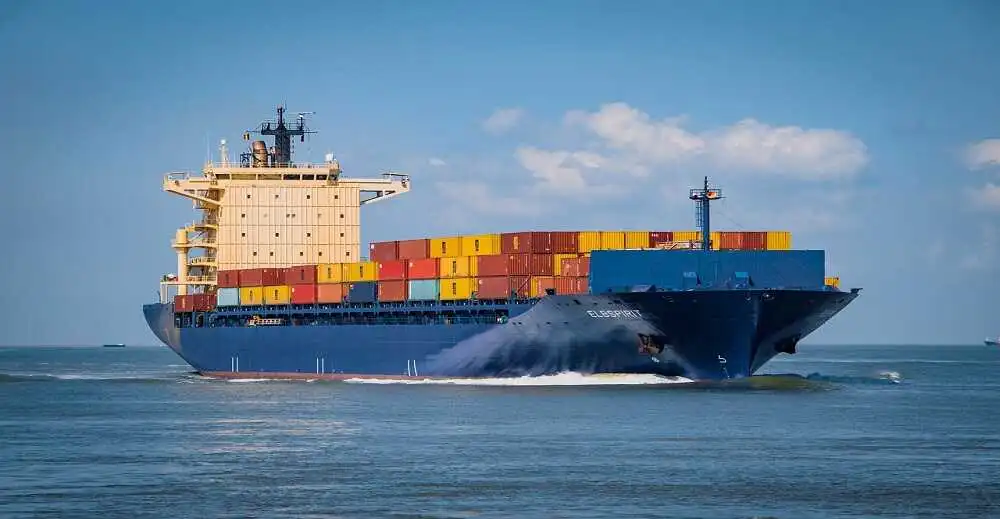
Dry Bulk shipping refers to ships that transport commercial dry materials in a 'loose' bulk format. A seagoing vessel known as a bulk carrier is primarily built to move bulk cargo that hasn't been packaged, like ores, grains, and coal. It can withstand more heat and cold in its cargo holds. Addition...
 Source: UNCTAB
The top 5 benefits of modernizing your dry bulk shipping operations are as follows:
Source: UNCTAB
The top 5 benefits of modernizing your dry bulk shipping operations are as follows:
- Enhanced Operational Efficiency
- Cost Reduction
- Improved Safety and Compliance
- Environmental Sustainability
- Enhanced Customer Satisfaction
1. Enhanced Operational Efficiency
The dry bulk shipping industry has become more advanced as a result of modern technological innovations that have contributed to increased productivity and efficiency. This is evidenced by the fact that ship operators are now able to monitor vessels’ performances, plan for future maintenance needs, make travel time predictions with great accuracy and execute relevant documents at lightning speed due to developments in AI, machine learning and blockchain technology. Not only are shipping companies performing better as a result of integrating these advancements, but their operating costs are also decreasing- Automated System:
- Real-Time Data Analytics:
- AI and Machine Learning:
2. Cost Reduction
There are considerable savings in cost when dry bulk shipping is upgraded. By introducing new technology and simplifying existing systems, shipping companies can save on operating costs in various ways:- Fuel Efficiency:
- Lower Maintainance Costs:
- Labour Savings:
3. Improved Safety and Compliance
Two key components of dry bulk shipping are safety and adherence to standards. Thanks to the introduction of sophisticated monitoring and reporting systems, modernization has greatly improved both.- Enhanced Safety Protocols:
- Regulatory Compliance:
4. Environmental Sustainability
There is growing pressure on the maritime sector to lessen its environmental impact due to the increased number of ships in the sea. For instance, currently, 58,000 merchant ships operate on the world’s seas. Bringing dry bulk shipping operations into the modern era can greatly support sustainability initiatives:- Emission Reduction:
- Fuel Efficiency:
- Waste Management:
5. Digitalization and Automation
Digitalization and automation are meant to enhance the environmental sustainability of dry bulk shipping operations. The industry is changing because of innovations and technical breakthroughs that make operational performance, safety, and vessel efficiency better. The maritime sector is resorting to technology-led solutions in order to optimize fleet management, reduce fuel usage, and promote environmental sustainability. Such solutions include the use of digitalization and automation solutions as well as developing eco-friendly propulsion systems and hull designs.- Smart Shipping Technologies:
- Autonomous and Remotely Operated Ships:
- AI In Transportation Market: https://www.knowledge-sourcing.com/report/ai-in-transportation-market
- Insulated Shipping Boxes Market: https://www.knowledge-sourcing.com/report/insulated-shipping-boxes-market
Have questions?
More Thought Articles
How EV Charger Manufacturers Can Capitalize on India’s Home Charging Revolution
India’s residential EV charging opportunity is expanding as policy support, EV adoption, and private parking infrastructure develop. Manufacturers can capture value beyond AC chargers through installation, smart charging, load management, solar integration, software, and after-sales services. Housing societies, automakers, and property developers offer scalable routes to residential charging customers.
Second-Life EV Battery Market in India: What Is Driving Demand from Manufacturers?
India’s second-life EV battery market is gaining relevance as electric vehicle adoption expands and batteries retain useful capacity after automotive service. Growing stationary-storage demand, battery data, refurbishment capabilities, EPR obligations, and critical-mineral policies are encouraging manufacturers to extend battery value through reuse before eventual recycling within India’s emerging circular battery ecosystem.
The Rise of Locally Manufactured Battery Separators in India’s EV Ecosystem
India’s battery industry is progressing from pack assembly toward domestic cell and material manufacturing, creating opportunities for lithium-ion battery separators. Policy support, ACC capacity expansion and R&D initiatives are strengthening the ecosystem. However, technical complexity, manufacturing yields, qualification requirements and economics mean localisation will likely advance gradually through coatings, testing and finishing.