
The landscape of healthcare has reached new heights thanks to the integration of Artificial Intelligence (AI), where the conception, diagnosis, and therapy of diseases have completely changed. The most important aspect of this transformation is AI-based predictive healthcare analytics. With the help...
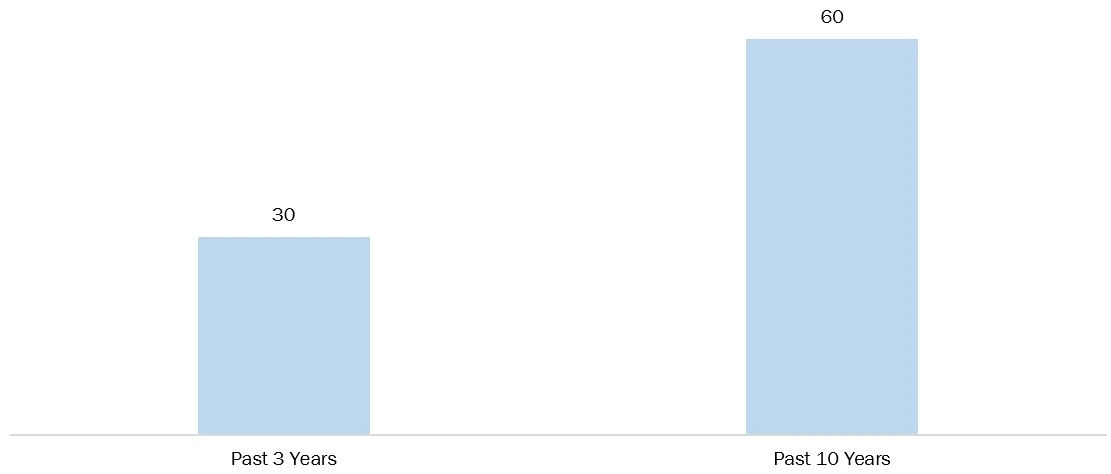 Source: American Healthcare Association
Role of AI in Predictive Healthcare
AI in predictive healthcare analytics relies on advanced tools such as neural networks, machine learning, and natural language processing, among others; to source, process and analyze a multitude of both structured and unstructured data with the primary aim of drawing insights from them But AI goes further by detecting and finding associations in data that for instance all such data including genetic information, wearables, or even electronic health records would be impossible for a human being to break down. Providers understand these insights and make an effort to enhance patient outcomes through proactive interventions by allowing data to inform their decision-making. There are models within AI, which can predict the likelihood of hospital re-admissions, progression of chronic conditions as well as infectious disease prevalence and even outbreaks.- Strengthening Prevention and Early Diagnosis
- Individualized Medical Attention
- Optimizing Medical Resources
- Enhancing the Health of the Population
Difficulties and Moral Aspects
There is a bright side to predictive healthcare analytics but there are also issues that need to be solved in the process of incorporating AI in the system. Since patient details are very extensive, there is a need to protect and assure the privacy of records. Therefore, all these necessitate compliance with statutes, statutes or regulations found in HIPAA and GDPR. There are also risks associated with erroneous predictions due to the biases in the algorithms from biased or incomplete data sets that tend to differ from the already disadvantaged minorities. Such concerns necessitate the application of adequate evaluation processes and the usage of explainable AI methods. Future The seamless integration of artificial intelligence in all areas of patient management is crucial for the progress of medical services. As the processing capabilities, data harvesting, and artificial intelligence techniques improve, predictive healthcare analytics will become more accurate, accessible, and inexpensive. If such an evolution is possible, then newer technology such as federated learning and quantum computing will help make this possible while ensuring data integrity and protection. In conclusion, predictive healthcare analytics powered by artificial intelligence is a disruptive innovation in the provision of healthcare services and is poised to revolutionize how treatment is provided to patients. It addresses challenges that have dogged the healthcare system for a long time through timely diagnosis, personalized medicine, and efficient utilization of resources. The technology will not only improve health systems but will also change the course of patients’ health towards the world as it advances and ethical concerns are addressed. Find some of our related studies:Have questions?
More Blogs
Clinical Decision Support Diagnostic Systems Market: Why the U.S. Healthcare System Is Quietly Rebuilding Diagnosis Around Algorithms
The U.S. clinical decision support diagnostic systems market is rapidly evolving as hospitals adopt AI-driven tools to manage rising diagnostic complexity, workforce shortages, and operational pressures. Growth is fueled by demand for faster, accurate diagnoses, workflow efficiency, interoperability, and value-based care, while physician trust, cybersecurity, and regulatory compliance increasingly determine long-term market success.
Top U.S. Healthcare Industry Trends to Watch in 2026 for the Global Healthcare Market
The global healthcare industry in 2026 is shifting toward AI-driven efficiency, stronger cybersecurity, outpatient care expansion, and domestic pharmaceutical manufacturing. U.S. healthcare leaders are prioritizing workforce support, operational resilience, value-based care, and integrated digital systems to improve patient outcomes while controlling costs.
How AI Is Reshaping the American Healthcare Industry
The U.S. healthcare industry is rapidly integrating artificial intelligence across clinical, administrative, and pharmaceutical operations. AI is improving diagnostics, automating workflows, reducing clinician burden, accelerating drug discovery, and enhancing personalized care. With strong adoption by hospitals and tech companies, AI is transforming healthcare delivery while driving the U.S. AI healthcare market toward significant growth by 2031.