Neuro Navigation Systems Market Trends & Forecast According to a research study published by Knowledge Sourcing Intelligence (KSI), the neuro navigation systems mar...
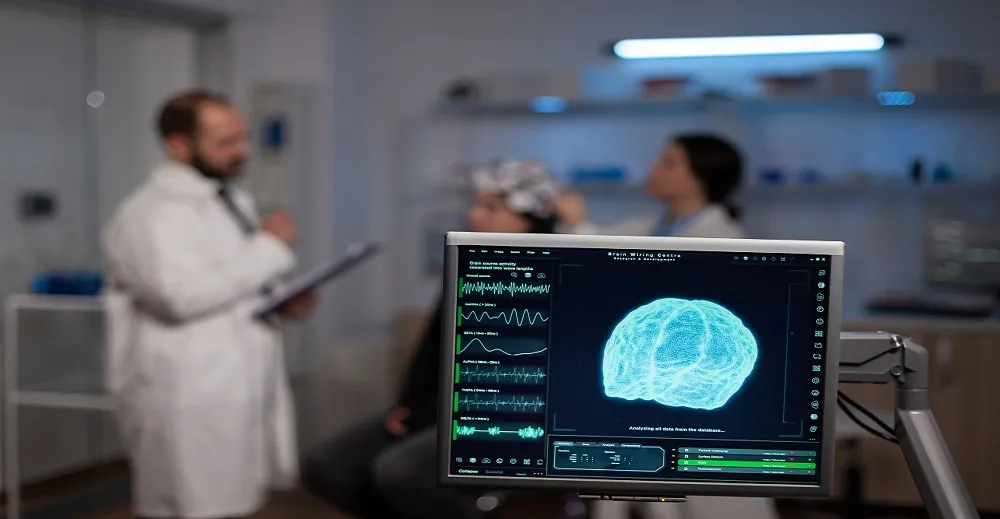
Neuro Navigation Systems Market Trends & Forecast
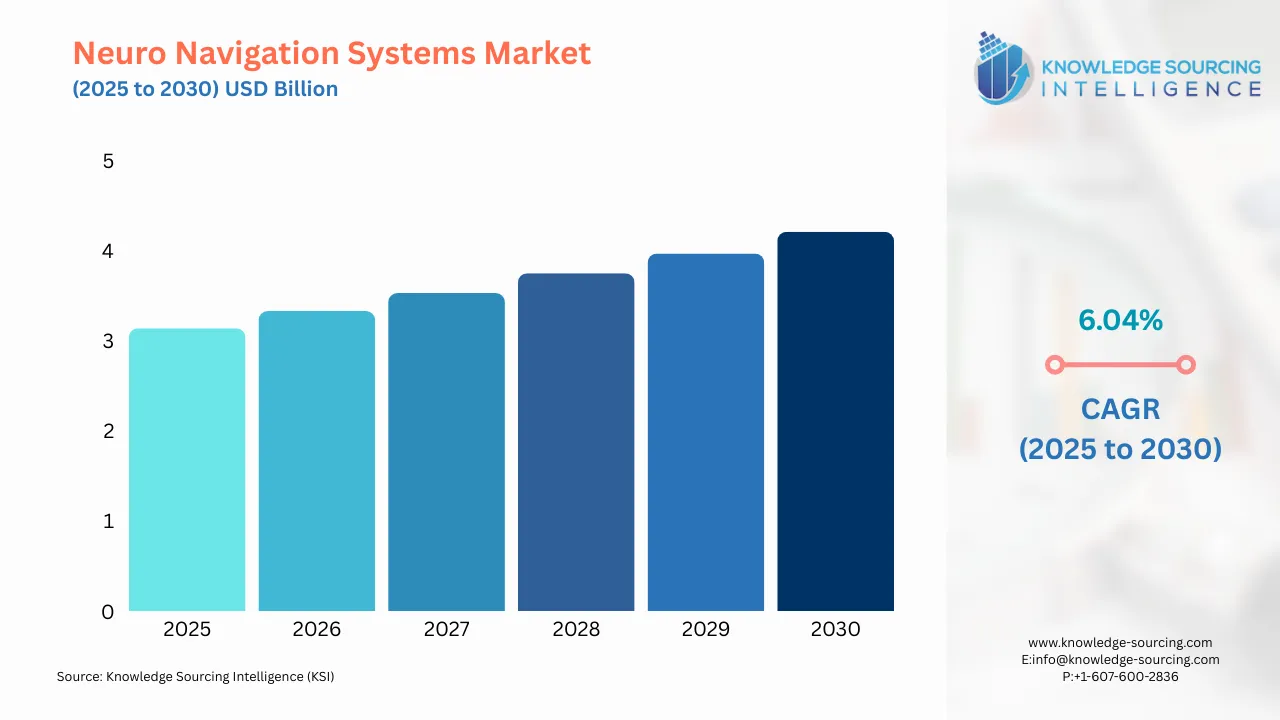
According to a research study published by Knowledge Sourcing Intelligence (KSI), the neuro navigation systems market will expand from USD 3.141 billion in 2025 to USD 4.212 billion in 2030 at a CAGR of 6.04% during the forecast period.The rising incidence of neurological disorders, including brain tumors, epilepsy, Parkinson's disease, and other complex conditions requiring precise surgical interventions, continues to be a significant factor propelling the neuro navigation system market growth. Additionally, the rapidly increasing ageing population is expected to propel the demand for neuro navigation systems in the projected period. In addition, growing demands for minimally invasive surgery techniques have also played a crucial role in this market growth. They result in several benefits: causing less trauma to the patients, ensuring better patient safety, reducing the duration of hospital stay, promoting quicker recovery times, helping drive higher adoption, and significantly boosting the market growth. The market is experiencing technological advancement in medical imaging technologies, artificial intelligence, and data analytics continue to advance and help healthcare providers diagnose, plan, and execute surgical interventions with increased accuracy. Applications like robotic-assisted surgery, image-guided systems, and high-accuracy neuro-navigation devices are increasingly being incorporated into clinics, giving surgeons unprecedented accuracy and precision. During the forecast period, the market will develop and adopt cutting-edge neurological devices, leading to better patient outcomes and sustained market growth.
Get In-Depth Analysis of the Neuro Navigation Systems Market
This article provides an overview. Our full market report offers detailed insights, competitive analysis, and strategic forecasts to navigate the global neuro navigation systems industry.- ? Comprehensive Market Size & Growth Projections
- ? Key Player Strategies & Market Share
- ? Technology Trends & Application Insights
Neuro Navigation Systems Market Report Highlights
- The market is growing significantly, driven by a growing ageing population, rising incidences of neurological disorders, and growing adoption, owing to invasive surgery driving the market significantly.
- The market is experiencing technological innovation, such as advancements in medical imaging technologies, artificial intelligence, and data analytics, driving the market further.
- There is a growing trend for invasive surgery techniques adoption, such as robotic-assisted surgery, image-guided systems, and high-accuracy neuro-navigation devices.
- By technology, electromagnetic systems are anticipated to hold the dominant market share in the projected period. The dominance is driven by its feature to trace instrument positions without needing a direct line of sight, delivering higher precision, decreased risks, and better outcomes during the neurological interventions.
- North America and the United States hold the largest market for neuro-navigation systems, driven by the presence of the leading medical device companies, the superior healthcare infrastructure, technological advances in neuro-navigation technology, and strong support from investors in the form of R&D investments.
Explore the AI in Medical Imaging Market
Advancements in medical imaging are critical to neuro navigation systems. Dive into our comprehensive report on the AI in Medical Imaging Market for insights on technology trends and market growth.Report Coverage:
| Report Metric | Details |
| Neuro Navigation Systems Market Size in 2025 | US$3.141 billion |
| Neuro Navigation Systems Market Size in 2030 | US$4.212 billion |
| Growth Rate | CAGR of 6.04% |
| Drivers |
|
| Restraints |
|
| Segmentation |
|
| List of Major Companies in the Neuro Navigation Systems Market |
|
Neuro Navigation Systems Market Growth Drivers and Restraints
Growth Drivers:- Ageing Population: The rapidly increasing aging population is expected to propel the demand for neuro navigation systems in the projected period. Older individuals have a more predisposing risk of developing neurological disorders because of natural degenerative processes and comorbid conditions. Thus, with such demographic changes, there is a consequential increase in healthcare needs, requiring the integration of more sophisticated medical technologies to address this population.
- Invasive Surgery Techniques driving more adoption: The growing trends for invasive surgery techniques are expected to fuel the market growth in the coming years. They result in several benefits: causing less trauma to the patients, ensuring better patient safety, reducing the duration of hospital stay, and promoting quicker recovery times. People can have painless treatment as well as at a lower cost, driving the higher adoption of the neuro navigation system.
- Technological Advancement: There is a key technological advancement in the neuro navigation systems, such as the use of robotic-assisted surgery, image-guided systems, and high-accuracy neuro-navigation devices.
- High Cost of Technology: The neuro navigation system becomes very costly due to its high cost of technology, high ongoing maintenance costs and software updates, making its adoption less attractive to the smaller hospitals and healthcare settings.
- Lack of Skilled Personnel: Lack of skilled personnel who can operate the system is also a key challenge for the market growth.
- Complexity in system integration and data security: The system has issues in integration with legacy infrastructure, especially in less developed IT infrastructure. In places with developed IT infrastructure, data security and cyberattacks are key challenges.
Discover the Surgical Robots Market
Neuro navigation systems are closely tied to advancements in robotic-assisted surgery. Explore our in-depth report on the Surgical Robots Market to uncover trends, applications, and growth opportunities.Neuro Navigation Systems Market Developments
- Product Launch: In April 2025, ClearPoint Neuro, Inc. released the ClearPoint Navigation Software Version 3.0, which introduces an iCT image-guidance workflow option performed in the traditional operating room. It is designed to deliver the same workflow and precision with greater accessibility and efficiency.
- Product Innovation: In September 2024, Medtronic plc unveiled several innovative software, hardware, and imaging solutions at the North American Spine Society (NASS) 39th Annual Meeting in Chicago. These advancements enhance AiBLE™, Medtronic's smart ecosystem that integrates navigation, robotics, data analytics, artificial intelligence, imaging, software, and implants.
Neuro Navigation Systems Market Segmentation
Knowledge Sourcing Intelligence has segmented the Neuro Navigation Systems Market based on technology, application, end-users, and region: Neuro Navigation Systems Market, By Technology- Electromagnetic Systems
- Optical Systems
- ENT Surgery
- Maxillofacial Surgery
- Spinal Surgery
- Neurosurgery
- Others
- Hospitals
- Ambulatory Surgery Centre
- Others
- North America
- USA
- Canada
- Mexico
- Europe
- UK
- Germany
- France
- Italy
- Spain
- Others
- Asia Pacific
- China
- India
- Japan
- South Korea
- Taiwan
- Thailand
- Indonesia
- Others
- South America
- Brazil
- Argentina
- Others
- Middle East and Africa (MEA)
- Saudi Arabia
- UAE
- Others
Neuro Navigation Systems Market Key Players
- Medtronic
- Stryker
- 7D Surgical; Inc.
- Brainlab AG
- Nexstim
- Synaptive Medical
- Claron Technology Inc.
- Heal Force
- Zimmer Biomet
- Northern Digital Inc.
Go from Insight to Action with Our Market Research
You've seen the overview. Now, get the detailed data and strategic analysis you need to stay ahead in the medical technology market. Explore our related, in-depth reports. Each report includes comprehensive data, forecasts, and competitive analysis to empower your business decisions.Need specialized data cuts or competitive intelligence?
Our analyst team provides bespoke market sizing, supplier audits, and country-level feasibility reports tailored to your enterprise roadmap.
Speak With an Industry Analyst →Ask an Industry Analyst
Have questions regarding this briefing or market projections? Inquire with our sector lead.
Related Press Releases
View All →
ADC Manufacturing & CDMO Market is expected to reach USD 10.49 billion by 2031
Aug 7, 2026
Lifestyle-Associated Cancer Epidemiology Market is expected to reach USD 13.12 billion by 2031
Aug 5, 2026
Psycho-Oncology Digital Health Market is anticipated to surpass USD 290.01 million in 2031 at a CAGR of 8.5%
Jul 30, 2026
Intratumoral Injection Therapy Market is expected to reach USD 630.39 million by 2031
Jul 24, 2026
Palliative Care in Oncology Market is expected to reach USD 244.1 billion by 2031
Jul 22, 2026More Press Releases
Oncology Drug Resistance Testing Market is projected to reach USD 3.41 billion in 2031 at a CAGR of 6.6 %
The oncology drug resistance testing market is expanding due to rising cancer prevalence, increasing drug resistance, and growing adoption of precision oncology. Advances in NGS-based testing, companion diagnostics, and targeted therapies, alongside FDA approvals and investments in personalized medicine, are accelerating demand for effective resistance monitoring across hospitals and clinical diagnostics worldwide.
TROP-2 Targeted Therapy Market is anticipated to surpass USD 3.29 billion in 2031 at a CAGR of 8.6 %
The TROP-2 Targeted Therapy market is expanding rapidly due to increasing precision oncology adoption, rising cancer prevalence, and growing use of antibody-drug conjugates. North America leads the market, while Asia Pacific shows the fastest growth. Continuous clinical trials, regulatory approvals, and strategic collaborations are accelerating innovation and commercial adoption worldwide.
Second Primary Cancer Prevention Market is expected to reach USD 24.7 billion by 2031
The Second primary cancer prevention refers to strategies aimed at reducing the risk of developing a new, unrelated cancer in individuals with a prior cancer diagnosis. Growing cancer survivorship, advances in treatment, and increasing awareness of long-term health outcomes have heightened the importance of prevention and surveillance programs. Key approaches include routine screening, genetic risk assessment, lifestyle modification, and long-term follow-up care. Government agencies and healthcare organisations increasingly emphasise survivorship care plans and evidence-based screening protocols to detect new malignancies at earlier stages. Continued investments in early detection technologies and personalised risk assessment are expected to support advancements in second primary cancer prevention.