Press Releases
Access strategic insights, industry indicators, and expert macro reports curated under Press Releases.

Liquid Biopsy Diagnostics Market is expected to reach USD 14.4 billion by 2031
The global liquid biopsy diagnostics market is growing at a rapid pace. This can largely be attributed to the rising number of cancer patients and the increased preference for non-invasive and real-time diagnostic solutions. Liquid biopsy is a promising approach that allows early detection, treatment co-monitoring, and personalization of therapies using biomarkers derived from different body fluids. This method is further enabled by technology innovations such as NGS and digital PCR. Even though high costs and lack of standardization pose barriers, continuous research and product development, along with the discovery of new clinical applications, are likely to significantly contribute to the expansion of the market.

Digital Pathology and AI Assisted Microscopy Market is anticipated to surpass US$3.7 billion in 2031 at a CAGR of 18.3%
AI-driven digital pathology is transforming diagnostics by improving accuracy, speed, and scalability amid rising sample volumes and workforce shortages. Growing adoption is fueled by healthcare digitalization and regulatory support. North America leads the market, while Asia Pacific shows strong growth potential, with cancer diagnostics and AI-powered imaging technologies driving demand across healthcare systems globally.

Clinical Decision Support Diagnostic Systems Market is anticipated to surpass US$4.3 billion in 2031 at a CAGR of 9.8%
Regulatory reforms and government-backed digital health initiatives are transforming clinical decision support systems. AI-based SaMD solutions with interoperability, explainability, and compliance are driving adoption. Integrated CDSS and diagnostic support lead growth, while North America dominates and Asia Pacific rapidly expands, supported by digital infrastructure, regulatory frameworks, and increasing deployment of machine learning models.

Machine Learning–Based Diagnostic Imaging Platforms Market is anticipated to surpass US$5.1 billion in 2031 at a CAGR of 19.4%
Machine learning enhances radiology workflows by improving diagnostic accuracy and enabling faster results. Imaging demand, radiologist shortages, and regulatory approvals drive global adoption. Cloud-based and tele-radiology solutions support remote diagnostics. Oncology leads applications, while CT and MRI dominate modalities. North America leads, Asia Pacific grows due to expanding healthcare infrastructure.

Hydraulic Valve Market is expected to reach USD 7.9 billion by 2031
The Hydraulic valves are a key component of hydraulic systems that control the flow, direction and pressure of hydraulic fluid within those systems. These valves are very important as they help ensure that hydraulic fluid can be controlled precisely in different industries (e.g., construction equipment, agricultural equipment, industrial automation, aerospace and automotive systems).

EV Battery Recycling Market is expected to reach USD 26.8 billion by 2031
An increase in the number of electric vehicle (EV) battery suppliers is driving market growth. As they recycle batteries, they can help lower the material costs and reduce environmental damage through what is called “battery recycling.” This has increased the demand for EVs. After a battery has been used once, it needs to be reused in two ways: by upgrading recycling centers, and by obtaining recycled materials from the batteries to use them as feedstock in a new battery manufacturer. Adding batteries to our stationary energy storage units will prolong their use and create revenue through the sale of stored electricity. Recycling infrastructure is now being established at many collection points, making it easier for consumers to convert a wide variety of recyclable materials into new products.
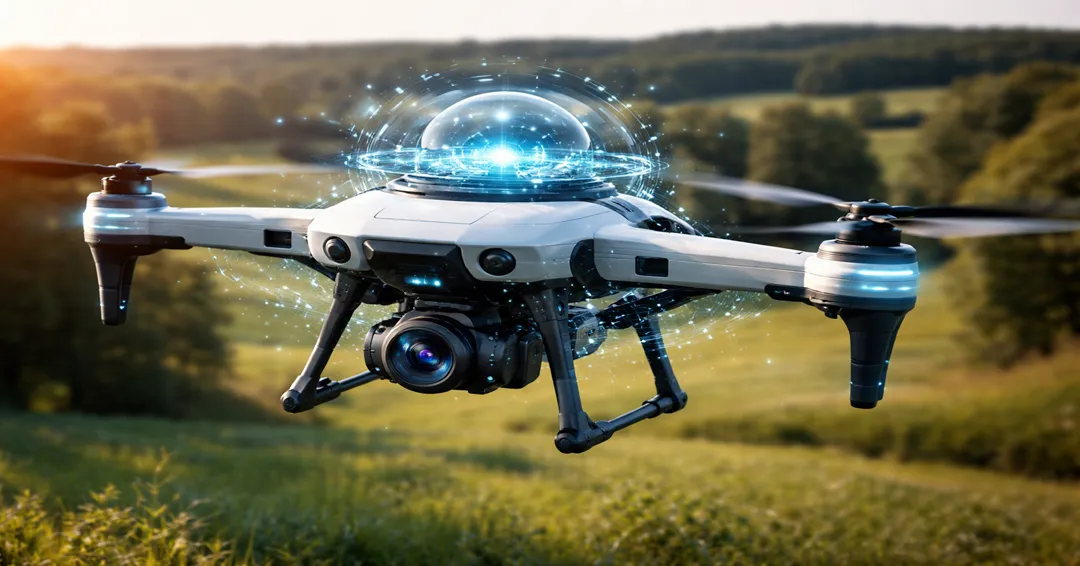
AI in Drone Market is expected to reach USD 157.3 billion by 2031
The drone market enabled by AI is growing at a fast pace, mainly due to the use of artificial intelligence technologies like machine learning and computer vision, which enable drones to work independently and process data instantly. AI-driven drones are used in agriculture, defense, construction, logistics, and even environmental monitoring, where they are used for surveillance, crop analysis, and delivery services. Moreover, the development of sensors, edge computing, and funding of autonomous technologies are among the factors driving market growth.

Digital Wallet Market is expected to reach USD 23,400.3 billion by 2031
The digital wallet market has been growing at a fast pace with the rise of smartphone usage, more people getting access to the internet, and the global trend of cashless payment. Besides, government programs like UPI in India and the growth of online shopping have resulted in even greater uptake of digital wallets. Even though security and regulatory issues remain as some of the obstacles, constant technological breakthroughs and the rise of fintech are expected to keep the market growing.

Identity and Access Management (IAM) Market is expected to reach USD 52.5 billion by 2031
The Identity and Access Management (IAM) market is growing because of the increasing demand for cybersecurity, the widespread acceptance of cloud computing, and the transition to remote working and digital environments. IAM solutions enable organizations to handle user identities, regulate access, and safeguard confidential information from cyber-attacks. Innovations such as AI-powered authentication, multi-factor authentication, and single sign-on are facilitating greater usage.

Specialty Chemicals Market is expected to reach USD 1,116.7 billion by 2031
The specialty chemicals market represents a valuable sector producing mainly performance-enhancing, highly specific products tailored to various uses. They find their applications in several industries, including automotive, construction, electronics, and pharmaceuticals. This market is on a continuous and gradual rise, largely led by the increasing demand for sustainable and environmentally friendly products, growing industrialization, and development in areas like electric vehicles and renewable energy. The market is still growing despite restraints like the fluctuation in raw material prices and strict regulations, with the focus being on sustainability and technological progress.
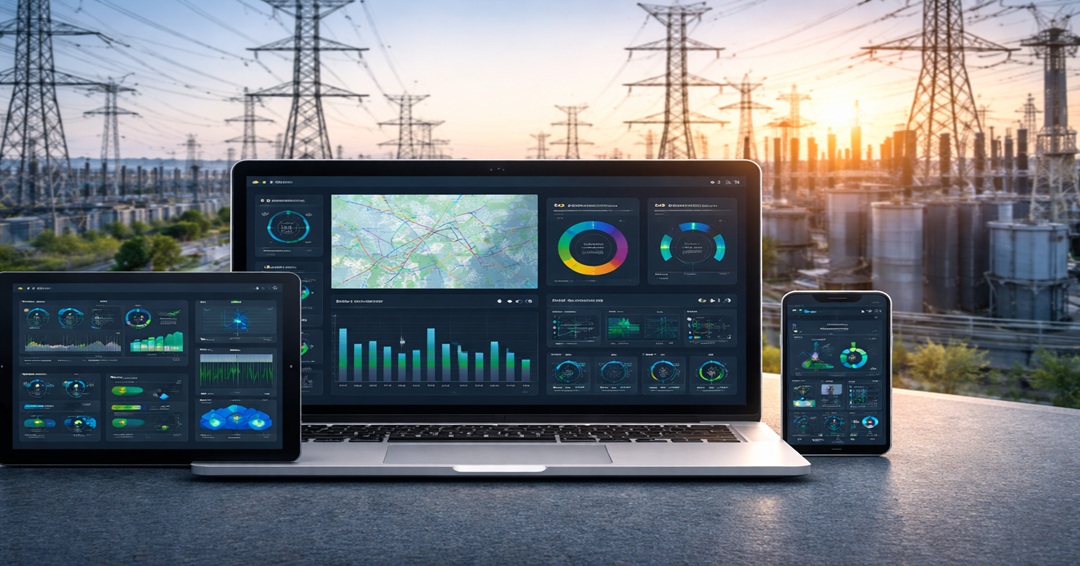
Smart Grid Software Market is expected to reach USD 6.4 billion by 2031
The smart grid software market is gaining momentum as utilities modernise their infrastructure to meet the demands of a more sustainable, efficient, and resilient energy system. Smart grid software enables real-time monitoring, intelligent decision-making, and seamless integration of renewable energy sources, helping utilities manage complex grids with greater accuracy and flexibility.

Personal Emergency Response System Market is expected to reach USD 10.2 billion by 2031
The market for Personal Emergency Response System (PERS) is rising steadily because of the increasing elderly population, along with the rising incidences of chronic health conditions, and the demand for independent living solutions. Through technologies like AI, IoT, and mobile connectivity, the capabilities of these devices are being significantly improved, thus increasing their reliability and accessibility. In addition to mobile PERS solutions that are broadening market reach, healthcare systems are also utilizing them to cut costs and enhance the quality of patient care.