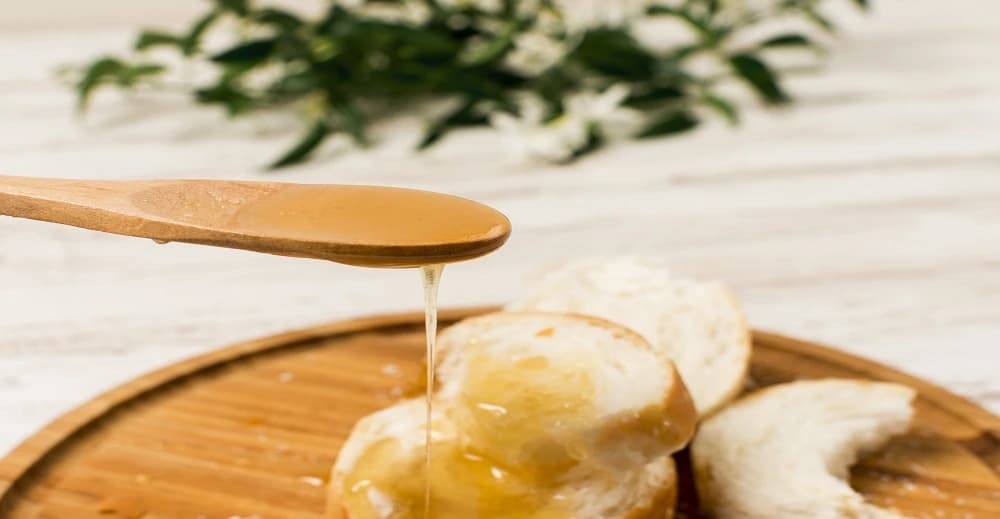
Glucose syrups are derived from plant sugars extracted from cereals, primarily wheat and maize. They are added to foods to provide an additional factor of texture, flavor, and glossiness. They are characterized as clear and viscous liquid, sweet taste, and a calorific level of 4kcal/g. They are extr...
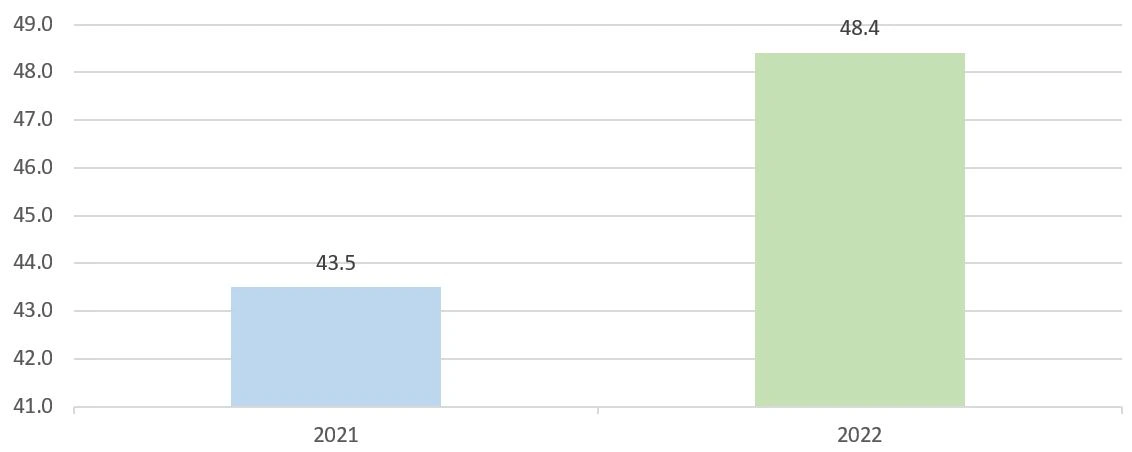 Source: OECD
Glucose syrup also has applications in pharmaceuticals and personal care products, thereby increasing the diversification beyond the food and beverage industry. According to the Dubai World Trade Center January 2023, the pharma market of UAE will be around US$4.7 billion by 2025 and these have about 23 manufacturing centers and nearly 2,500 medicines produced locally by 2023. In addition, as income increases, household spending on convenience foods, snacks, and ready-to-eat processed meals becomes more apparent, with glucose syrup being a major key ingredient in such products. It also drives the mindset of moving towards premium and specialty products as consumers are willing to pay better for the texture and quality of the items.
Furthermore, the International Energy Outlook showed 2023 source-wide overall disposable income figures that reflected 10,136 US dollars per capita for 2022. The number will develop to US$10,677 by 2025 to finally attain US$11,862 by 2030. In the meantime, Asia Pacific will be valued at US$11,152 per capita, while the Americas region will be predicted to be valued at US$23,240 per capita in 2030, whereas Europe and Eurasia would amount to US$21,974 per capita by 12030, thus contributing to market growth. This growing middle class in developing economies leads to increasing consumption of processed foods and opening new market opportunities for glucose syrup while also increasing the application of glucose syrup in non-food sectors like pharmaceuticals and personal care.
Sugared alternatives and substitutes are expected to make a positive impact on the glucose syrup market. Factors such as a high-lifestyle adoption of healthier living will demand for the syrup while increasing competition will most likely decrease prices for glucose syrup. Manufacturers are also investing and developing new products formulated with less sugar or more functional ingredients to meet marketing conditions. For example, Cargill and ENOUGH have a unique partnership for the European Union-funded PLENITUDE consortium project, which involves ENOUGH's production facility of 160,000 square feet in Sas van Gent, Netherlands, specifically built in 2022 and co-located alongside Cargill's facility. Cargill provides glucose syrup and utilities, and ENOUGH is involved in the EU-funded PLENITUDE consortium project. New functional applications for glucose syrup will also include areas where sweetening is of less importance than the value of functional properties.
Key Developments:
Source: OECD
Glucose syrup also has applications in pharmaceuticals and personal care products, thereby increasing the diversification beyond the food and beverage industry. According to the Dubai World Trade Center January 2023, the pharma market of UAE will be around US$4.7 billion by 2025 and these have about 23 manufacturing centers and nearly 2,500 medicines produced locally by 2023. In addition, as income increases, household spending on convenience foods, snacks, and ready-to-eat processed meals becomes more apparent, with glucose syrup being a major key ingredient in such products. It also drives the mindset of moving towards premium and specialty products as consumers are willing to pay better for the texture and quality of the items.
Furthermore, the International Energy Outlook showed 2023 source-wide overall disposable income figures that reflected 10,136 US dollars per capita for 2022. The number will develop to US$10,677 by 2025 to finally attain US$11,862 by 2030. In the meantime, Asia Pacific will be valued at US$11,152 per capita, while the Americas region will be predicted to be valued at US$23,240 per capita in 2030, whereas Europe and Eurasia would amount to US$21,974 per capita by 12030, thus contributing to market growth. This growing middle class in developing economies leads to increasing consumption of processed foods and opening new market opportunities for glucose syrup while also increasing the application of glucose syrup in non-food sectors like pharmaceuticals and personal care.
Sugared alternatives and substitutes are expected to make a positive impact on the glucose syrup market. Factors such as a high-lifestyle adoption of healthier living will demand for the syrup while increasing competition will most likely decrease prices for glucose syrup. Manufacturers are also investing and developing new products formulated with less sugar or more functional ingredients to meet marketing conditions. For example, Cargill and ENOUGH have a unique partnership for the European Union-funded PLENITUDE consortium project, which involves ENOUGH's production facility of 160,000 square feet in Sas van Gent, Netherlands, specifically built in 2022 and co-located alongside Cargill's facility. Cargill provides glucose syrup and utilities, and ENOUGH is involved in the EU-funded PLENITUDE consortium project. New functional applications for glucose syrup will also include areas where sweetening is of less importance than the value of functional properties.
Key Developments:
| Year | Development |
| February 2024 | Cargill and the food technology enterprise known as ENOUGH collaborated to lend support to consumers in innovative, sustainable protein options. Cargill is making an investment in the growth funding campaign of ENOUGH and has entered into a commercial agreement for the use and marketing of the fermented protein ABUNDA mycoprotein. This new protein is derived from a zero-waste fermentation process and is made using Cargill's glucose syrup as a main feedstock. The partnership is focused on developing healthy and sustainable alternative meat and dairy solutions. |
| January 2024 | Holland & Barrett introduced new food lines under Life Kitchen. It is intended for people who are having changes in taste or smell as a result of illnesses that last for a short or long time. One such is Citrus Sensation Spritz, a combination of vinegar, glucose syrup, yuzu juice, rice koji, and natural ginger flavorings, perfect for fish or grilled vegetables. |
Have questions?
More Blogs
Clinical Decision Support Diagnostic Systems Market: Why the U.S. Healthcare System Is Quietly Rebuilding Diagnosis Around Algorithms
The U.S. clinical decision support diagnostic systems market is rapidly evolving as hospitals adopt AI-driven tools to manage rising diagnostic complexity, workforce shortages, and operational pressures. Growth is fueled by demand for faster, accurate diagnoses, workflow efficiency, interoperability, and value-based care, while physician trust, cybersecurity, and regulatory compliance increasingly determine long-term market success.
Top U.S. Healthcare Industry Trends to Watch in 2026 for the Global Healthcare Market
The global healthcare industry in 2026 is shifting toward AI-driven efficiency, stronger cybersecurity, outpatient care expansion, and domestic pharmaceutical manufacturing. U.S. healthcare leaders are prioritizing workforce support, operational resilience, value-based care, and integrated digital systems to improve patient outcomes while controlling costs.
How AI Is Reshaping the American Healthcare Industry
The U.S. healthcare industry is rapidly integrating artificial intelligence across clinical, administrative, and pharmaceutical operations. AI is improving diagnostics, automating workflows, reducing clinician burden, accelerating drug discovery, and enhancing personalized care. With strong adoption by hospitals and tech companies, AI is transforming healthcare delivery while driving the U.S. AI healthcare market toward significant growth by 2031.