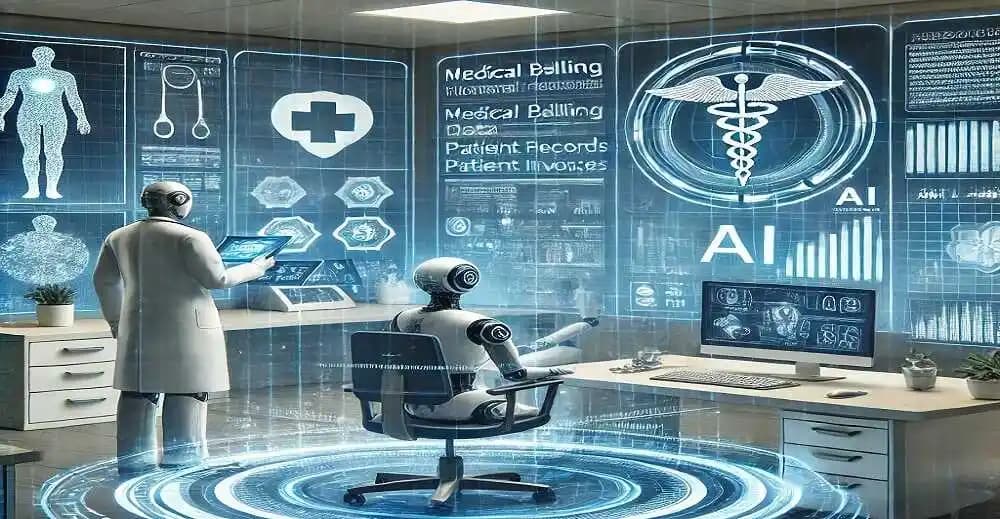
Medical billing is the essential connection in the provisioning of healthcare to the patients with the help of insurers which on the other hand is quite complex and often overwhelming due to the various aspects of healthcare administration. Nevertheless, there are a lot of drawbacks to the secular m...
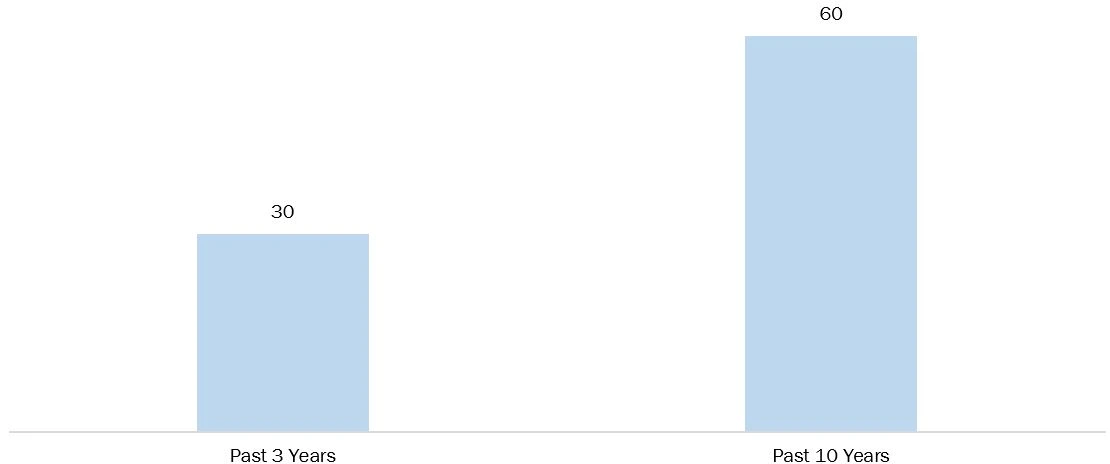 Source: American Healthcare Association
Role of AI in Predictive Healthcare
- Simplifying Workflows in Administration
- Improving Compliance and Cutting Down on Errors
- Quicker Payment Cycles and Claims Processing
- Savings and Efficiency in Operations
- Improving the Experience of Patients
Difficulties in using AI for Medical Billing
Despite the capability of Artificial Intelligence to change the process of medical billing for the better, its application in the field faces challenges. Integrating AI into existing frameworks requires a significant amount of training and technology costs. Data concern is also pertinent as AI systems contain sensitive patient information. For that reason, health practitioners must comply with healthcare data protection laws and implement data security. In addition, given that AI will change roles instead of eradicating them, human resources must also adapt to the changes. Optimizing AI is the medical billing strategy for the future. With the advancement of technology, artificial intelligence (AI) systems will also advance in the ability to process complex billing systems and enhance forecasted billing. Further enhancement of efficiency will be by ensuring seamless information flow through the interfacing of electronic health records (EHRs) and other systems used within the facilities. Through the employment of AI, healthcare providers will be able to shore up their revenues and focus more and better on delivering care to their patients. In conclusion, the impact of AI on medical billing processes cannot be overlooked. The quantity of mistakes is reduced to a minimum, regulation is adhered to unquestioningly, the period for resolving the claims is shortened, and the patient is happier. The challenges still exist, but it is clear how much more beneficial than forward-looking strategizing these tools are for present-day healthcare providers. It is easy to foresee that the evolution of AI in medical billing will be radical, as it will be aimed towards the provision of better services to patients and improving efficiencies within health care. Find some of our related studies:Need specialized data cuts or competitive intelligence?
Our analyst team provides bespoke market sizing, supplier audits, and country-level feasibility reports tailored to your enterprise roadmap.
Speak With an Industry Analyst →Ask an Industry Analyst
Have questions regarding this briefing or market projections? Inquire with our sector lead.
Related Thought Articles
View All →
From Highways to Cities: How Top Companies Are Expanding EV Charging Across India
Aug 20, 2026
How AI Is Revolutionizing EV Range Prediction in India
Aug 19, 2026
Make in India and the Rise of Local EV Motor Controller Manufacturing
Aug 18, 2026
Why EV Conversion Kits Are Becoming a New Manufacturing Opportunity in India
Aug 17, 2026
How Advanced Power Electronics Are Reshaping India’s EV Powertrain Market
Aug 14, 2026More Thought Articles
Why Electric Recreational Vehicles Could Become India’s Next Mobility Opportunity
India’s electric recreational vehicle opportunity is likely to emerge through commercial tourism applications rather than mass private ownership. Growing domestic tourism, caravan policies, expanding EV supply chains, destination charging, and modular campervan designs could enable rental fleets, resorts, eco-tourism operators, and travel companies to test high-utilisation models before consumer adoption.
Can Battery Recycling Make India’s EV Growth More Sustainable?
India’s EV battery recycling ecosystem is moving from waste management toward critical-mineral security. Battery Waste Management Rules, EPR obligations, recycled-content requirements, recycling incentives and EU-India cooperation are strengthening the framework. However, limited near-term feedstock, fragmented collection, underused capacity, chemistry differences and domestic refining gaps remain key challenges to scale sustainably.
EV Tires Are Changing Fast: What India’s Electric Mobility Boom Means for Tire Makers
India’s electric mobility growth is reshaping tire engineering, with EVs creating new requirements for rolling resistance, durability, noise, torque handling, load capacity and efficiency. Electric two-wheelers and three-wheelers offer major volume opportunities, while passenger EVs drive premium innovation. Tire makers are increasingly focusing on localized testing, OE partnerships and application-specific technologies.