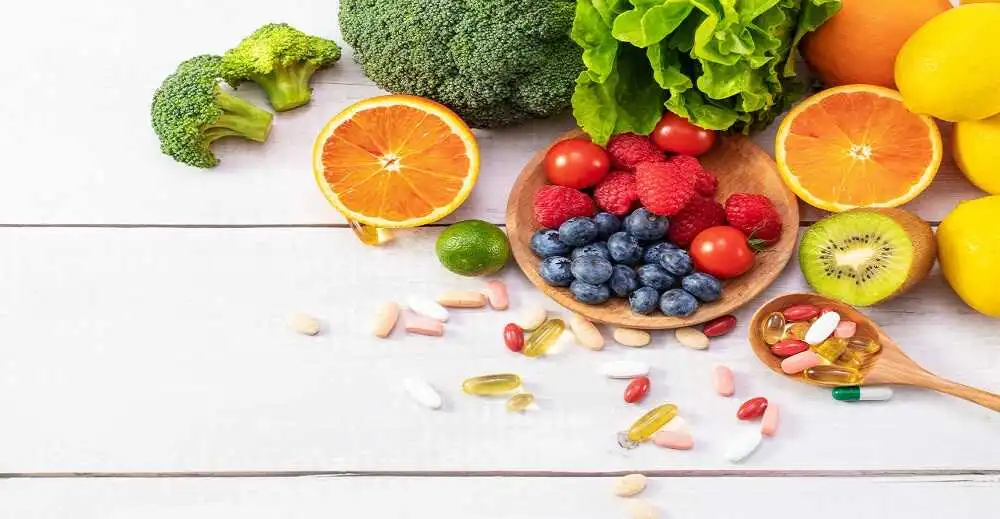
While dietary supplements for immune health enhance body immunity and protect it from harmful germs, this condition has been shown to increase the likelihood of contracting infectious diseases. Hence, this has encouraged diabetic patients to take immune-boosting supplements which may prove very help...
- Vitamin C
- Vitamin D
- Zinc
- Probiotics
- Elderberry
- Echinacea
- Garlic
- Turmeric
- Selenium
- Astragalus
 Source: Diabetes, Obesity, and Metabolism- Journal
5. Elderberries
Elderberry is widely perceived as a flu and cold remedy due to its immunity-boosting capabilities among other benefits. The fruit has high levels of both anthocyanins as well as antioxidants which are known to help with inflammation reduction and increase one’s immunity. Studies have shown that elderberry extracts can help ease respiratory difficulties associated with flu, particularly in the case of children. For adults who prefer them as dietary supplements, there are three forms; syrup, lozenge or gummy bears. Standardized extracts should always be used to ensure safety and efficacy. The recommended daily dosage is between 600mg -1200mg.
6. Echinacea
Various diseases have been treated over the centuries using some types of flowering plants from the Echinacea family in conventional medicine. It is particularly known for the treatment and prevention of colds. It is believed that Echinacea boosts one’s immunity by increasing the number of white blood cells that fight infections (Haas). Some research suggests that it might even reduce one’s susceptibility to a cold or shorten its duration. Echinacea supplements can be made in the form of tinctures, teas or capsules. When one gets a cold, normally 300-500 mg is what they are advised to take three times daily from the onset of symptoms.
7. Garlic
Moreover, alongside flavouring food, garlic also has antibacterial, antiviral and antifungal characteristics that enhance one’s immunity. Allicin, which is the active ingredient in garlic, induces some white blood cells to fight against certain strains of viruses that are responsible for flu or cold. Raw, cooked or as a supplement garlic can be consumed. Daily doses of 600–1200mg are usually applied for instance in aged garlic extract, which is a common supplement.
8. Turmeric
The strong anti-inflammatory properties of turmeric and antioxidant properties are mainly due to its active ingredient curcumin is reputed to boost the body’s immunity. The activation of macrophages, T cells and B cells by curcumin helps in improving the body’s defence against infections. In addition, it works on reducing inflammation which improves immune activity. Supplements can be taken or added to food as turmeric is available in such form. To have better absorption look for curcumin supplements with piperine or black pepper extract or take them with meals containing large amounts of fats. The daily dosage ranges from 500 to 2000 mg.
9. Selenium
Selenium proves to be an important mineral for the immune system functioning and also in regulating inflammation responses. It plays several important roles in effective immune system performance, & lack of it makes someone more prone to infections. The synthesis of cytokines and T-cell multiplication are both promoted by selenium and are critical components of the immune response. In addition, it serves as an antioxidant to protect cells from damage. Brazil nuts, seafood, and meats supply abundant amounts of selenium; however, supplements can be beneficial, especially in regions where the mineral is lacking in soil. 55 micrograms daily is recommended for adults.
10. Astragalus
As a traditional Chinese herb for centuries, astragalus has been used to strengthen immunity against disease and stress. Astragalus is said to stimulate immunity and promote white blood cell count increase. Moreover, it has some antioxidant properties that assist in avoiding cell damage. There are astragalus tinctures, teas, and capsules available. 250-500mg is typically administered three times every day.
In conclusion, they can greatly support the immune system, so supplements must be seen as a part of an all-encompassing strategy for health. Other important aspects include a diet consisting of fruits and vegetables, whole grains and lean proteins, physical activities, restful slumber and diminishment of stress levels. Before embarking on any new supplementation plan it would be wise to consult with a medical professional, particularly for those taking medication or having existing health problems. People might want to consider including some of the best dietary supplements in their everyday regimen because they enhance general wellness and body immunity at large.
Source: Diabetes, Obesity, and Metabolism- Journal
5. Elderberries
Elderberry is widely perceived as a flu and cold remedy due to its immunity-boosting capabilities among other benefits. The fruit has high levels of both anthocyanins as well as antioxidants which are known to help with inflammation reduction and increase one’s immunity. Studies have shown that elderberry extracts can help ease respiratory difficulties associated with flu, particularly in the case of children. For adults who prefer them as dietary supplements, there are three forms; syrup, lozenge or gummy bears. Standardized extracts should always be used to ensure safety and efficacy. The recommended daily dosage is between 600mg -1200mg.
6. Echinacea
Various diseases have been treated over the centuries using some types of flowering plants from the Echinacea family in conventional medicine. It is particularly known for the treatment and prevention of colds. It is believed that Echinacea boosts one’s immunity by increasing the number of white blood cells that fight infections (Haas). Some research suggests that it might even reduce one’s susceptibility to a cold or shorten its duration. Echinacea supplements can be made in the form of tinctures, teas or capsules. When one gets a cold, normally 300-500 mg is what they are advised to take three times daily from the onset of symptoms.
7. Garlic
Moreover, alongside flavouring food, garlic also has antibacterial, antiviral and antifungal characteristics that enhance one’s immunity. Allicin, which is the active ingredient in garlic, induces some white blood cells to fight against certain strains of viruses that are responsible for flu or cold. Raw, cooked or as a supplement garlic can be consumed. Daily doses of 600–1200mg are usually applied for instance in aged garlic extract, which is a common supplement.
8. Turmeric
The strong anti-inflammatory properties of turmeric and antioxidant properties are mainly due to its active ingredient curcumin is reputed to boost the body’s immunity. The activation of macrophages, T cells and B cells by curcumin helps in improving the body’s defence against infections. In addition, it works on reducing inflammation which improves immune activity. Supplements can be taken or added to food as turmeric is available in such form. To have better absorption look for curcumin supplements with piperine or black pepper extract or take them with meals containing large amounts of fats. The daily dosage ranges from 500 to 2000 mg.
9. Selenium
Selenium proves to be an important mineral for the immune system functioning and also in regulating inflammation responses. It plays several important roles in effective immune system performance, & lack of it makes someone more prone to infections. The synthesis of cytokines and T-cell multiplication are both promoted by selenium and are critical components of the immune response. In addition, it serves as an antioxidant to protect cells from damage. Brazil nuts, seafood, and meats supply abundant amounts of selenium; however, supplements can be beneficial, especially in regions where the mineral is lacking in soil. 55 micrograms daily is recommended for adults.
10. Astragalus
As a traditional Chinese herb for centuries, astragalus has been used to strengthen immunity against disease and stress. Astragalus is said to stimulate immunity and promote white blood cell count increase. Moreover, it has some antioxidant properties that assist in avoiding cell damage. There are astragalus tinctures, teas, and capsules available. 250-500mg is typically administered three times every day.
In conclusion, they can greatly support the immune system, so supplements must be seen as a part of an all-encompassing strategy for health. Other important aspects include a diet consisting of fruits and vegetables, whole grains and lean proteins, physical activities, restful slumber and diminishment of stress levels. Before embarking on any new supplementation plan it would be wise to consult with a medical professional, particularly for those taking medication or having existing health problems. People might want to consider including some of the best dietary supplements in their everyday regimen because they enhance general wellness and body immunity at large.Have questions?
More Thought Articles
How EV Charger Manufacturers Can Capitalize on India’s Home Charging Revolution
India’s residential EV charging opportunity is expanding as policy support, EV adoption, and private parking infrastructure develop. Manufacturers can capture value beyond AC chargers through installation, smart charging, load management, solar integration, software, and after-sales services. Housing societies, automakers, and property developers offer scalable routes to residential charging customers.
Second-Life EV Battery Market in India: What Is Driving Demand from Manufacturers?
India’s second-life EV battery market is gaining relevance as electric vehicle adoption expands and batteries retain useful capacity after automotive service. Growing stationary-storage demand, battery data, refurbishment capabilities, EPR obligations, and critical-mineral policies are encouraging manufacturers to extend battery value through reuse before eventual recycling within India’s emerging circular battery ecosystem.
The Rise of Locally Manufactured Battery Separators in India’s EV Ecosystem
India’s battery industry is progressing from pack assembly toward domestic cell and material manufacturing, creating opportunities for lithium-ion battery separators. Policy support, ACC capacity expansion and R&D initiatives are strengthening the ecosystem. However, technical complexity, manufacturing yields, qualification requirements and economics mean localisation will likely advance gradually through coatings, testing and finishing.