
Fortified wine is a type of wine that consolidates a distilled spirit, ordinarily brandy, as an extra component. The brandy can be blended with grape wine either amid or after the fermentation process. This enhancement of alcohol gives it a higher alcohol content than the wine and it also enriches i...
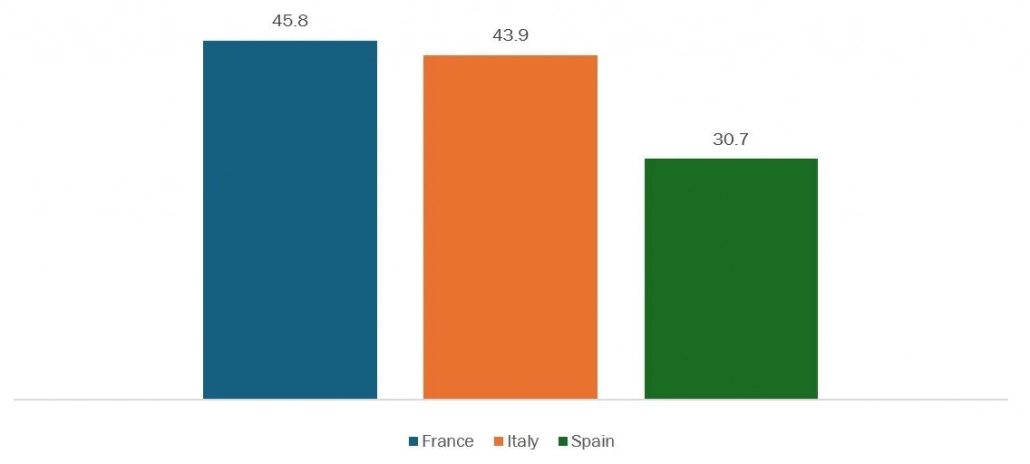 Source: International Organization for Vibe and Wine
Market Restraints
Fortified wines are facing a complex challenge as they strive to bridge the gap between tradition and the ever-changing preferences of consumers. The once dominant sweeter styles are now losing favor, especially among younger drinkers who have a wider range of beverage choices. Additionally, the market share of fortified wines is being squeezed by competition from a wider variety of drinks.
While Europe, being the historic center of fortified wines, places emphasis on quality and regional identity, this approach may not resonate with all consumers. To attract new audiences, innovation is key. This includes offering drier styles, sparkling options, and even cannabis-infused varieties in legal markets.
Emerging Opportunities and Innovations
The fortified wine market has a variety of growth opportunities. Innovation is of the essence, with more dry styles and sparkling options like the Asti Spumante to meet the palates of modern consumers. Niche markets pop up now with brands offering cannabis-infused pieces (in legal markets). A shift to quality and DO wines epitomizes craftsmanship and pride in regional specialties. Educational efforts focus on emerging markets by showing the pairing potential with food. Through the comprehension of these trends, fortified wines can drop the outdated look of the past and become a fun, promising alcohol variety for a modern consumer.
Key Developments
Source: International Organization for Vibe and Wine
Market Restraints
Fortified wines are facing a complex challenge as they strive to bridge the gap between tradition and the ever-changing preferences of consumers. The once dominant sweeter styles are now losing favor, especially among younger drinkers who have a wider range of beverage choices. Additionally, the market share of fortified wines is being squeezed by competition from a wider variety of drinks.
While Europe, being the historic center of fortified wines, places emphasis on quality and regional identity, this approach may not resonate with all consumers. To attract new audiences, innovation is key. This includes offering drier styles, sparkling options, and even cannabis-infused varieties in legal markets.
Emerging Opportunities and Innovations
The fortified wine market has a variety of growth opportunities. Innovation is of the essence, with more dry styles and sparkling options like the Asti Spumante to meet the palates of modern consumers. Niche markets pop up now with brands offering cannabis-infused pieces (in legal markets). A shift to quality and DO wines epitomizes craftsmanship and pride in regional specialties. Educational efforts focus on emerging markets by showing the pairing potential with food. Through the comprehension of these trends, fortified wines can drop the outdated look of the past and become a fun, promising alcohol variety for a modern consumer.
Key Developments
- In March 2024: The Fladgate Partnership (TFP) purchased Quinta do Portal, a vineyard, as well as a tourism business. This purchase is one of the initiatives TFP is taking to extend its wine portfolio.
- Global Wine Bottle Closures Market: https://www.knowledge-sourcing.com/report/global-wine-bottle-closures-market
- Global Honey Wine Market: https://www.knowledge-sourcing.com/report/global-honey-wine-market
- Global Organic Wine Market: https://www.knowledge-sourcing.com/report/global-organic-wine-market
| Subscribe Us |
Have questions?
More Thought Articles
How EV Charger Manufacturers Can Capitalize on India’s Home Charging Revolution
India’s residential EV charging opportunity is expanding as policy support, EV adoption, and private parking infrastructure develop. Manufacturers can capture value beyond AC chargers through installation, smart charging, load management, solar integration, software, and after-sales services. Housing societies, automakers, and property developers offer scalable routes to residential charging customers.
Second-Life EV Battery Market in India: What Is Driving Demand from Manufacturers?
India’s second-life EV battery market is gaining relevance as electric vehicle adoption expands and batteries retain useful capacity after automotive service. Growing stationary-storage demand, battery data, refurbishment capabilities, EPR obligations, and critical-mineral policies are encouraging manufacturers to extend battery value through reuse before eventual recycling within India’s emerging circular battery ecosystem.
The Rise of Locally Manufactured Battery Separators in India’s EV Ecosystem
India’s battery industry is progressing from pack assembly toward domestic cell and material manufacturing, creating opportunities for lithium-ion battery separators. Policy support, ACC capacity expansion and R&D initiatives are strengthening the ecosystem. However, technical complexity, manufacturing yields, qualification requirements and economics mean localisation will likely advance gradually through coatings, testing and finishing.