Press Releases
Access strategic insights, industry indicators, and expert macro reports curated under Press Releases.
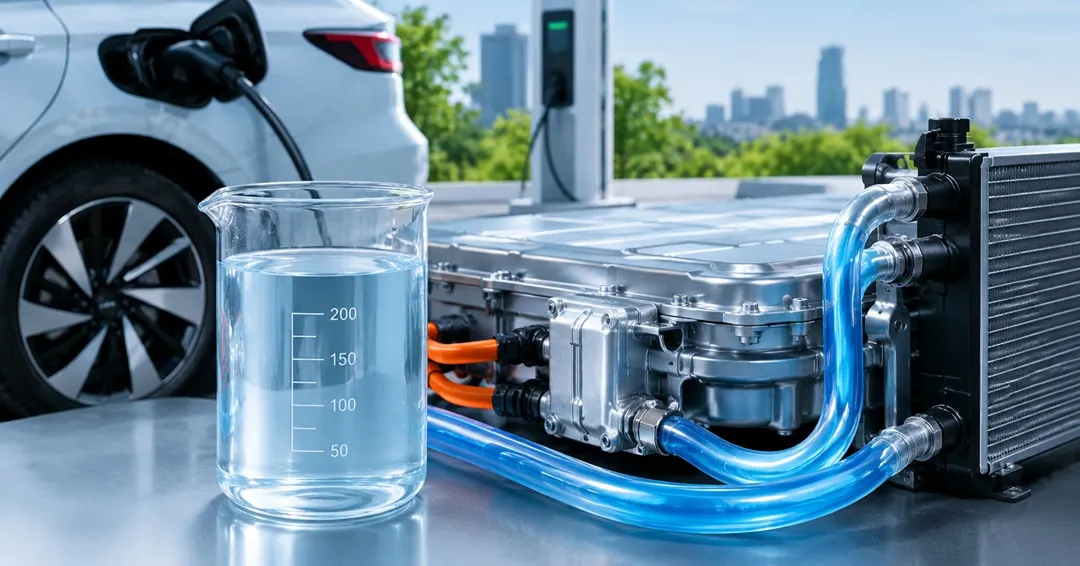
EV Dielectric Thermal Fluid Market to Reach USD 330 Million by 2031, Driven by Demand for Advanced Cooling
The global EV dielectric thermal fluid market is expanding as automakers explore advanced battery cooling, high-power charging, and integrated thermal management solutions. Dielectric fluids offer electrical insulation and heat transfer for selected EV applications, creating opportunities across battery immersion cooling, power electronics, and electric powertrains while material compatibility and commercial feasibility remain critical.

CO2 Energy Storage Market to Reach USD 3.10 Billion by 2032 Amid Rising Demand for Long-Duration Energy Storage
The CO2 energy storage market is gaining momentum as renewable energy integration and grid flexibility requirements increase. Advancements in closed-loop CO2 batteries, thermodynamic storage systems, and manufacturing capabilities are creating opportunities for long-duration electricity storage across utilities and industrial applications, while cost competitiveness, efficiency, and project execution remain critical adoption factors.
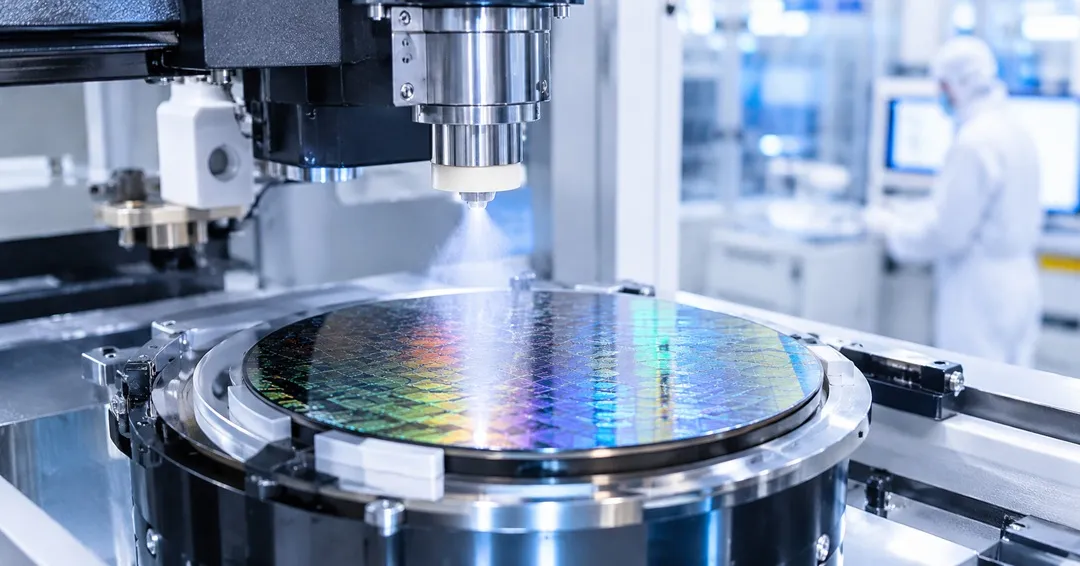
Semiconductor Wafer Dry Cleaning Equipment Market to Reach USD 2.55 Billion by 2032, Driven by Advanced Node Production
The global semiconductor wafer dry cleaning equipment market is growing as advanced chip architectures demand precise contamination control and selective material removal. Increasing production of advanced memory, leading-edge logic, and hybrid bonding is driving demand for plasma-based and gas-phase cleaning technologies that improve surface preparation while protecting sensitive semiconductor structures.
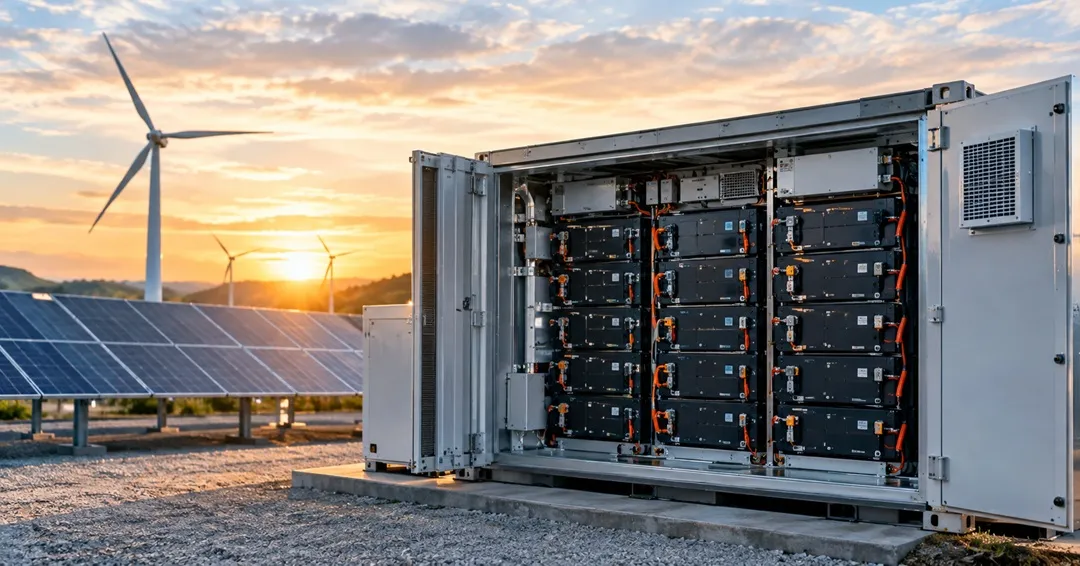
Zinc-Ion Battery Energy Storage Market to Reach USD 700 Million by 2032, Driven by Renewable Energy Integration
The zinc-ion battery energy storage market is gaining momentum as renewable energy deployment increases demand for safer, scalable stationary storage solutions. Advances in aqueous electrolytes, electrode materials, and manufacturing technologies are creating opportunities across residential, commercial, industrial, and utility-scale applications, while durability, efficiency, and cost remain key commercialization challenges.
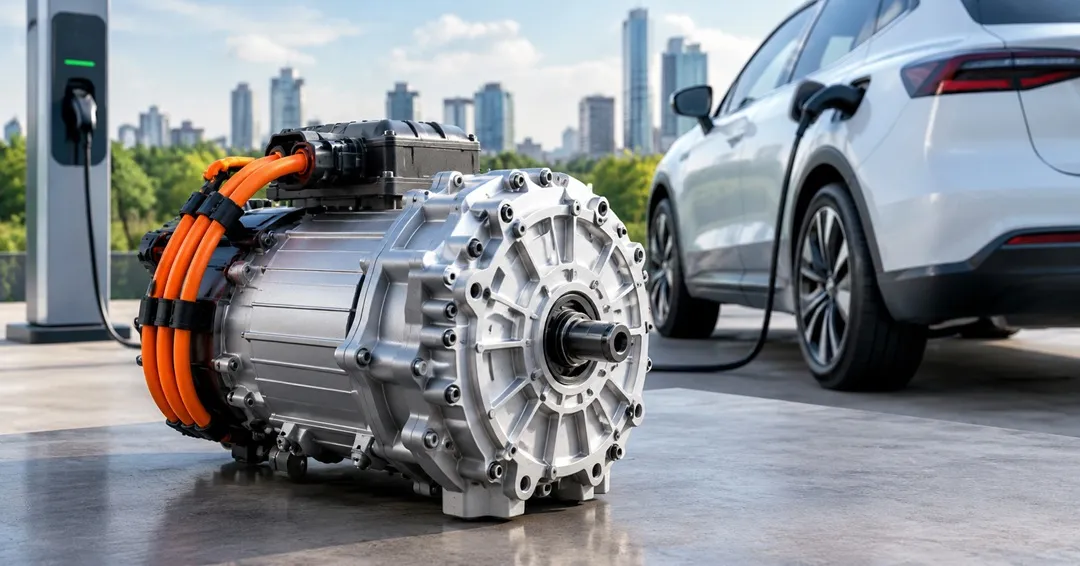
EV Traction Motor Market to Reach USD 20.6 Billion by 2031 as Integrated E-Axles Gain Momentum
The global EV traction motor market is expanding as automakers adopt integrated e-axles, compact drivetrain architectures, and advanced propulsion technologies. Rising electric vehicle production, improved motor efficiency, power electronics innovation, and manufacturing optimization are creating opportunities for suppliers developing scalable, reliable, and space-efficient electric drive systems across passenger and commercial vehicle segments.
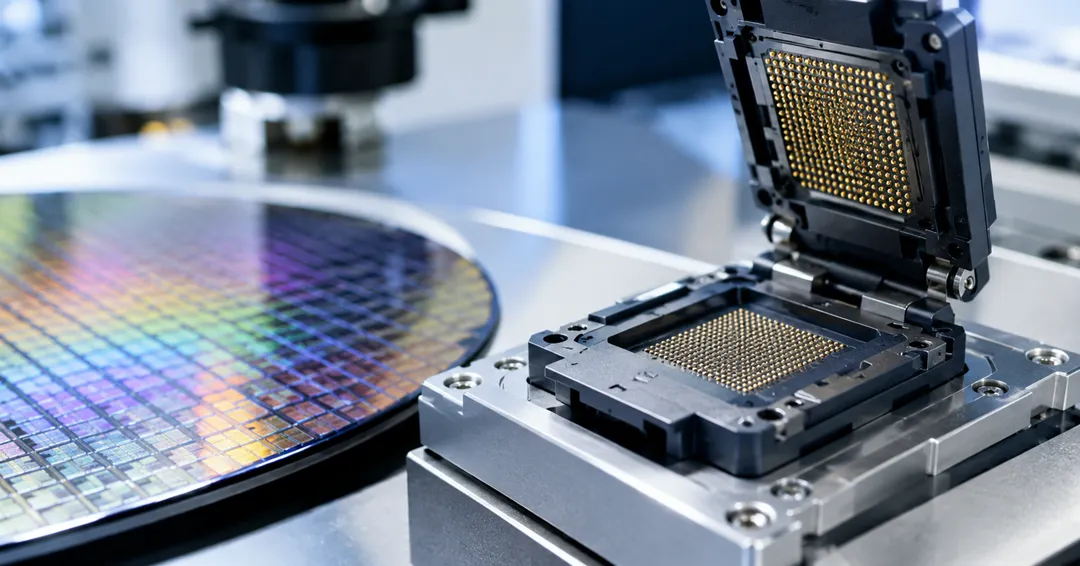
Semiconductor Test Socket Market Projected to Reach USD 3.55 Billion by 2032, Driven by AI and HPC Demand
The semiconductor test socket market is expanding as AI processors, high-performance computing, advanced packaging, and high-speed memory increase testing requirements. Growing semiconductor complexity is driving demand for reliable electrical contacts, improved signal integrity, and thermal management. Automotive electronics and power semiconductors are further creating opportunities for specialized test socket technologies.

Hydrogen Energy Storage Market to Reach USD 25.40 Billion by 2032 as Demand for Long-Duration Storage Grows
The hydrogen energy storage market is expanding as renewable energy integration, industrial hydrogen demand, and infrastructure investment drive adoption. Advancements in compressed gas, liquid hydrogen, underground geological, and solid-state storage technologies are creating opportunities across utilities, industrial applications, and grid-scale energy systems, while cost efficiency and infrastructure readiness remain critical challenges.

Thermal Energy Storage Market to Reach USD 10.20 Billion by 2032, Driven by Renewable Energy Integration and Industrial Heat Electrification
The thermal energy storage market is advancing as renewable energy integration, industrial electrification, and energy cost management drive demand. Innovations in sensible heat, latent heat, and thermochemical storage are expanding applications across industrial heating, cooling, concentrated solar power, and commercial buildings, creating opportunities for technology providers across major regional markets worldwide.
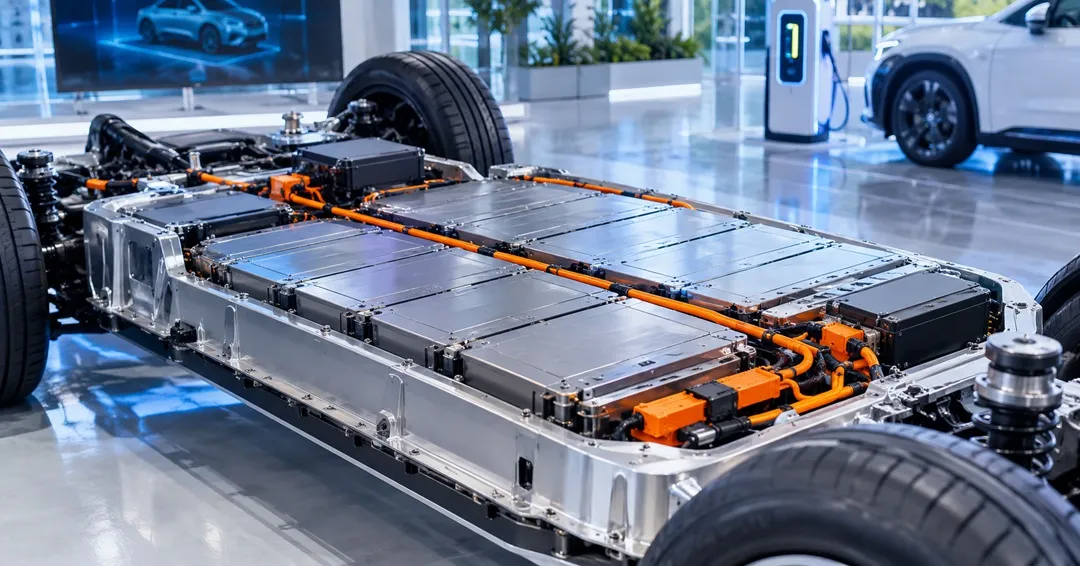
Next-Generation Advanced EV Batteries Market to Reach USD 17.50 Billion by 2031, Driven by Demand for Higher Energy Density and Faster Charging
The global next-generation advanced EV batteries market is expanding as demand grows for higher energy density, faster charging, improved safety, and enhanced durability. Advances in solid-state, silicon-anode, sodium-ion, and lithium-metal technologies, alongside manufacturing expansion and research investments, are supporting innovation and accelerating the development of next-generation electric vehicle battery solutions.
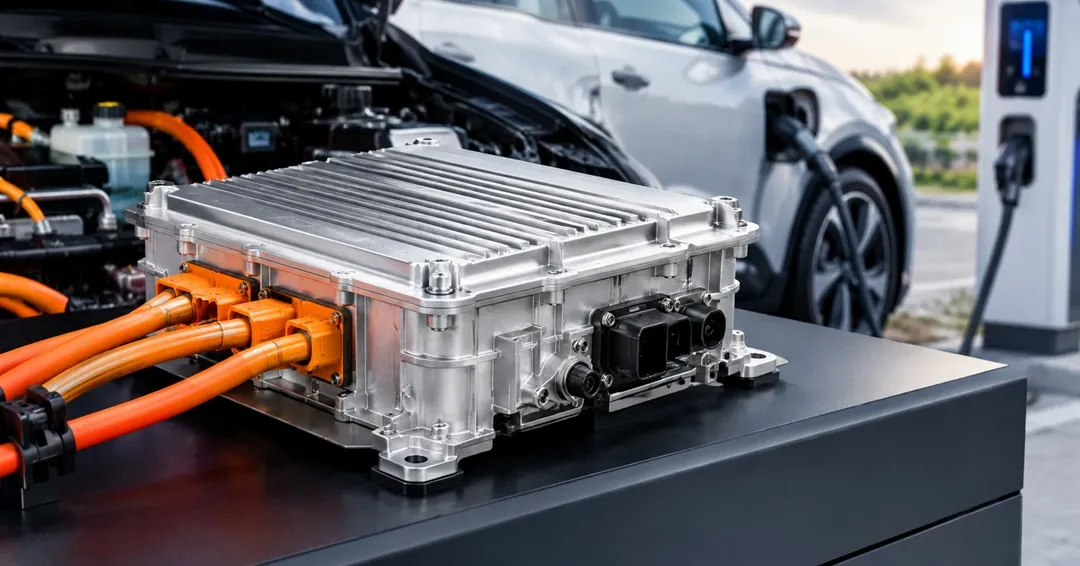
Global EV DC-DC Converter Market to Reach USD 6.10 Billion by 2031 as High-Voltage EV Architectures Gain Momentum
The global EV DC-DC converter market is expanding as electric vehicle adoption, higher-voltage architectures, and vehicle electrical content increase. Demand is rising for efficient, compact, high-power-density converters supporting auxiliary systems and advanced electronics. Asia-Pacific remains a key market, while manufacturers focus on thermal performance, integration, reliability, and power-conversion efficiency.
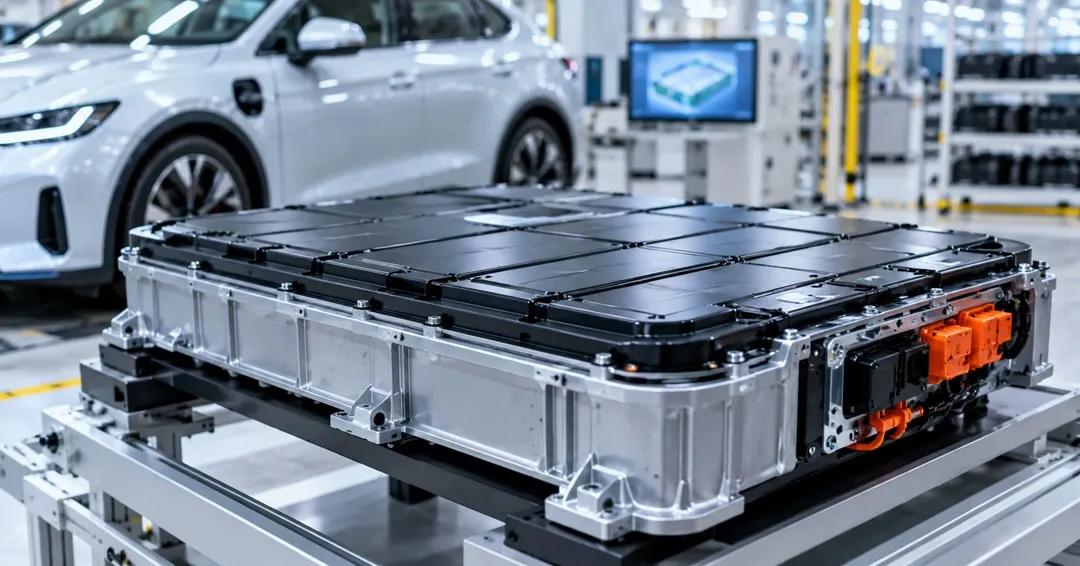
Global EV Battery Enclosures Market to Reach USD 20.4 Billion by 2031 as EV Production and Lightweight Enclosure Demand Accelerate
The global EV battery enclosures market is expanding as rising EV production, lightweighting, structural battery architectures, and integrated thermal management increase enclosure requirements. The market is projected to reach USD 20.4 billion by 2031. Asia Pacific remains the leading manufacturing region.
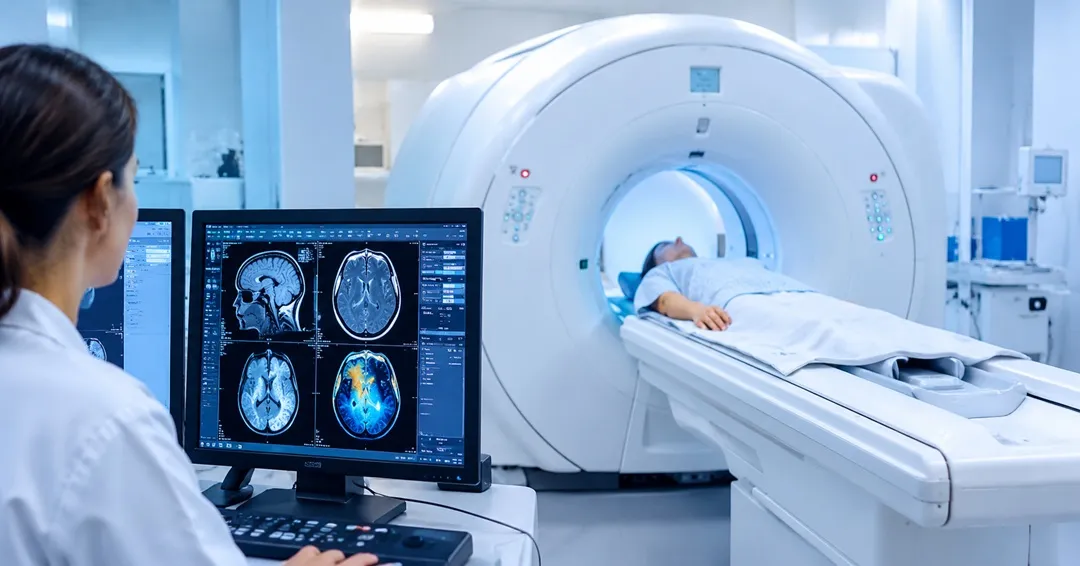
How Samsung Medison, Philips, and Carestream’s Recent Diagnostic Imaging Innovations Could Drive Growth: The Medical/Diagnostic Imaging Market Is Anticipated to Reach USD 60.7 Billion by 2031
Diagnostic imaging companies are advancing AI-assisted ultrasound and X-ray technologies to improve image quality, automate measurements, streamline workflows, and support faster examinations. Samsung Medison, Philips, and Carestream have introduced new solutions featuring AI-enabled analysis, enhanced visualization, single-transducer functionality, automated exposure control, noise reduction, and connected clinical capabilities.